SS304 vs SS316 Fasteners: Which One Is Better?
A detailed comparison of SS304 fasteners and SS316 fasteners. Understand corrosion resistance, strength, composition, and applications to select the right stainless steel fasteners for your project.
Introduction: Choosing the Right Stainless Steel Fasteners
Stainless steel fasteners are essential components in virtually every industry, from construction and automotive to marine and chemical processing. Their corrosion resistance, strength, and aesthetic appeal make them the preferred choice over carbon steel or plated alternatives in demanding environments. However, not all stainless steel is created equal — and selecting the wrong grade can lead to premature failure, costly maintenance, or safety hazards.
Among the hundreds of stainless steel grades available, SS304 and SS316 dominate the fastener market. Together, these two austenitic grades account for the vast majority of stainless steel fasteners produced worldwide. Understanding the differences between SS304 fasteners and SS316 fasteners is critical for engineers, procurement professionals, and project managers who need to specify fasteners that will perform reliably throughout their intended service life.
The fundamental question — “Which one is better?” — does not have a single answer. The optimal choice depends on the specific application environment, performance requirements, and budget constraints. This comprehensive guide examines the material composition, corrosion resistance, mechanical properties, and typical applications of both grades to help you make an informed decision.
At Youjia Metals, we manufacture both SS304 fasteners and SS316 fasteners in a wide range of configurations including bolts, nuts, screws, washers, and custom components. Our engineering team provides material selection guidance based on decades of experience supplying stainless steel fasteners to industries worldwide.
Key Insight: While SS316 generally offers superior corrosion resistance, SS304 provides excellent performance in most environments at 20-40% lower cost. The key is matching the material grade to the actual service conditions rather than defaulting to the most expensive option.
Material Composition: What Sets SS304 and SS316 Apart?
The chemical composition of stainless steel determines its corrosion resistance, mechanical properties, and suitability for specific applications. Both SS304 fasteners and SS316 fasteners belong to the austenitic family of stainless steels, characterized by their face-centered cubic crystal structure, excellent formability, and non-magnetic properties in the annealed condition.
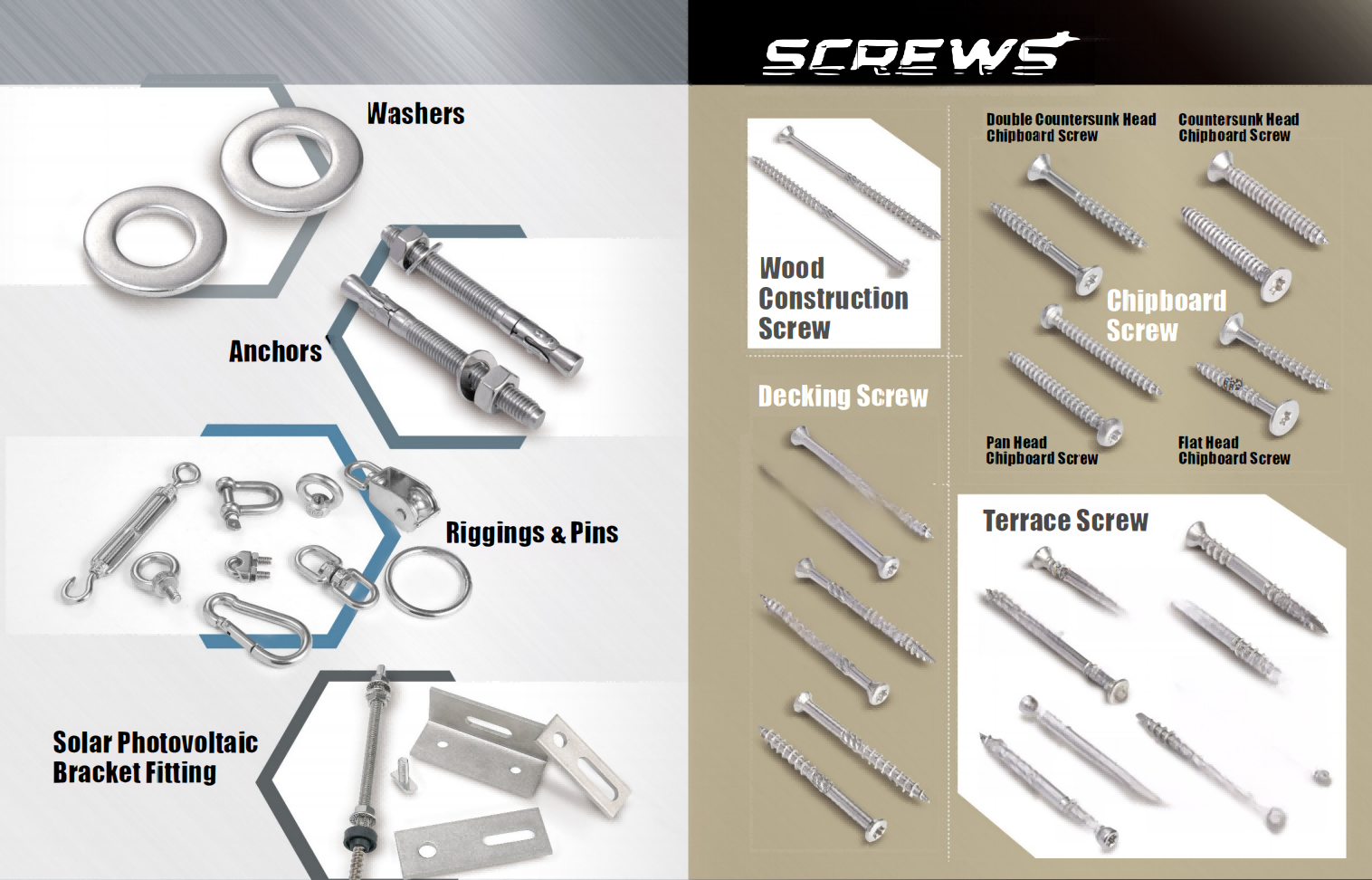
SS304 Composition
SS304 (also known as A2 stainless steel or 18/8 stainless) is the most widely used stainless steel grade in the world. Its composition is defined by ASTM A240 and international standards:
- Chromium (Cr): 18.0-20.0% — Chromium is the key element that provides stainless steel its corrosion resistance. It forms a passive chromium oxide layer on the surface that self-heals when damaged, protecting the underlying metal from oxidation and corrosion.
- Nickel (Ni): 8.0-10.5% — Nickel stabilizes the austenitic crystal structure, providing excellent ductility, toughness, and formability. It also enhances corrosion resistance in non-oxidizing environments.
- Manganese (Mn): 2.0% max — Manganese improves hot workability and strength. It partially substitutes for nickel in austenite stabilization.
- Carbon (C): 0.08% max — Low carbon content minimizes carbide precipitation during welding, maintaining corrosion resistance in heat-affected zones.
- Silicon (Si): 1.0% max — Silicon improves oxidation resistance and is used as a deoxidizer during steelmaking.
- Phosphorus (P): 0.045% max, Sulfur (S): 0.030% max — These impurities are kept low to maintain corrosion resistance and mechanical properties.
The 18/8 designation refers to the approximate chromium (18%) and nickel (8%) content that defines this versatile grade. SS304 fasteners offer an excellent balance of corrosion resistance, formability, weldability, and cost-effectiveness, making them the default choice for general-purpose applications.
SS316 Composition
SS316 (also known as A4 stainless steel or marine grade stainless) is a molybdenum-alloyed variant of SS304, engineered for enhanced corrosion resistance in aggressive environments:
- Chromium (Cr): 16.0-18.0% — Slightly lower chromium than SS304, but the addition of molybdenum more than compensates for overall corrosion performance.
- Nickel (Ni): 10.0-14.0% — Higher nickel content improves austenite stability and enhances corrosion resistance, particularly in acidic environments.
- Molybdenum (Mo): 2.0-3.0% — This is the critical differentiator. Molybdenum significantly improves resistance to pitting corrosion, crevice corrosion, and stress corrosion cracking, especially in chloride-containing environments. It strengthens the passive film and improves its ability to resist localized attack.
- Carbon (C): 0.08% max — Same low carbon limit as SS304. SS316L (low carbon variant, C ≤ 0.03%) is available for welded applications requiring maximum corrosion resistance.
- Nitrogen (N): 0.10% max — Nitrogen contributes to strength and pitting resistance.
The addition of 2-3% molybdenum is what gives SS316 fasteners their superior performance in marine, chemical, and high-chloride environments. This seemingly small compositional difference translates to dramatically improved resistance to localized corrosion, making SS316 the material of choice for critical applications where failure is not an option.
Composition Summary: The only significant chemical difference between SS304 and SS316 is the addition of 2-3% molybdenum in SS316. However, this small addition has a profound impact on corrosion resistance, particularly in chloride and acidic environments. SS316 also contains slightly more nickel (10-14% vs 8-10.5%), which further enhances its corrosion performance.
Corrosion Resistance Comparison
Corrosion resistance is the primary reason engineers choose stainless steel fasteners over other materials. Both SS304 and SS316 provide excellent general corrosion resistance, but their performance diverges significantly in specific environments. Understanding these differences is essential for preventing premature fastener failure.
General Atmospheric Corrosion
Both SS304 fasteners and SS316 fasteners perform excellently in normal atmospheric conditions. In dry, indoor environments, both grades can last decades without visible corrosion. In mild outdoor environments with occasional rain and moderate pollution, both grades provide reliable long-term performance.
However, in industrial or urban atmospheres with elevated sulfur dioxide, chlorides, or other corrosive pollutants, SS316 fasteners demonstrate measurably better long-term performance. The molybdenum addition provides resistance to the subtle forms of localized corrosion that can initiate even in seemingly mild environments.
Chloride and Salt Spray Resistance
This is where the difference between SS304 and SS316 becomes most pronounced. Chloride ions — present in salt water, de-icing salts, marine atmospheres, and many industrial processes — are the most aggressive agents attacking stainless steel.
- SS304 Performance: SS304 fasteners are susceptible to pitting corrosion in chloride concentrations as low as 100-200 ppm. In marine environments, SS304 typically develops visible rust staining within weeks to months. While this surface staining does not necessarily indicate structural degradation, it is aesthetically unacceptable for many applications and can progress to pitting if not addressed.
- SS316 Performance: SS316 fasteners resist pitting corrosion in chloride concentrations up to 1,000-2,000 ppm — approximately 10x the resistance of SS304. In standard salt spray testing (ASTM B117), SS316 typically withstands 500-1,000 hours without significant corrosion, compared to 50-200 hours for SS304.
The Pitting Resistance Equivalent Number (PREN) quantifies this difference: SS304 has a PREN of approximately 18-20, while SS316 achieves 24-26. Higher PREN values indicate better resistance to pitting corrosion in chloride environments.
Chemical and Acid Resistance
SS316 fasteners offer superior resistance to a wide range of chemical environments:
- Acids: SS316 resists organic acids (acetic, formic, oxalic), sulfuric acid at low concentrations, and phosphoric acid better than SS304. In reducing acid environments, the molybdenum in SS316 provides significantly better protection.
- Alkalies: Both grades perform well in alkaline environments, though SS316 offers marginally better resistance at elevated temperatures.
- Industrial Chemicals: SS316 is preferred for fasteners exposed to bleaches, dyes, photographic chemicals, and food processing sanitizers. The molybdenum addition prevents the localized corrosion that can occur with SS304 in these aggressive media.
Crevice Corrosion and Stress Corrosion Cracking
Crevice corrosion occurs in confined spaces where oxygen access is limited — such as under bolt heads, between washers and surfaces, or in gasketed joints. This is particularly relevant for stainless steel fasteners because their geometry inherently creates crevices. SS316 fasteners provide significantly better crevice corrosion resistance due to molybdenum’s ability to stabilize the passive film in low-oxygen conditions.
Stress corrosion cracking (SCC) is a particularly dangerous failure mode that occurs when tensile stress combines with a corrosive environment. Fasteners are inherently under tension, making them susceptible. SS316 offers better SCC resistance than SS304, particularly at elevated temperatures, though both grades can be susceptible in highly concentrated chloride solutions above 60°C (140°F).
Corrosion Verdict: For indoor, dry, or mildly corrosive environments, SS304 fasteners provide excellent performance at lower cost. For marine, coastal, chemical, or any chloride-rich environment, SS316 fasteners are strongly recommended. The cost premium for SS316 is typically justified many times over by extended service life and reduced maintenance in aggressive environments.
Strength and Mechanical Properties
While corrosion resistance often drives material selection, mechanical properties are equally important for ensuring fastener performance under load. Both SS304 fasteners and SS316 fasteners offer good mechanical properties, but there are notable differences that affect design decisions.
| Property | SS304 | SS316 | Winner |
|---|---|---|---|
| Tensile Strength (annealed) | 515 MPa (75 ksi) | 515 MPa (75 ksi) | Equal |
| Yield Strength (0.2%) | 205 MPa (30 ksi) | 205 MPa (30 ksi) | Equal |
| Tensile Strength (cold worked) | Up to 1,200 MPa | Up to 1,100 MPa | SS304 |
| Elongation | 40% min | 40% min | Equal |
| Hardness (Brinell) | 201 HBW max | 217 HBW max | SS316 |
| Fatigue Strength | ~240 MPa | ~260 MPa | SS316 |
| Work Hardening Rate | Higher | Moderate | SS304 |
| Temperature Range | -196°C to 870°C | -196°C to 870°C | Equal |
Tensile Strength and Yield Strength
In the annealed condition, both grades exhibit nearly identical tensile and yield strengths. However, when cold worked (strain hardened) to achieve higher strength levels — common for fastener manufacturing — SS304 fasteners can achieve slightly higher ultimate tensile strength due to their higher work hardening rate. This makes SS304 marginally preferable for high-strength fastener applications where corrosion requirements are moderate.
Hardness and Wear Resistance
SS316 fasteners exhibit slightly higher hardness in the annealed condition, which translates to marginally better wear resistance. However, neither grade is considered a wear-resistant material, and surface hardening treatments are sometimes applied for applications requiring improved wear characteristics.
Temperature Performance
Both grades maintain useful mechanical properties across a wide temperature range from cryogenic (-196°C) to elevated temperatures (up to 870°C intermittently). At cryogenic temperatures, both grades retain excellent toughness without ductile-to-brittle transition — a critical advantage over ferritic and martensitic stainless steels for low-temperature applications.
At elevated temperatures, SS316 demonstrates slightly better creep resistance and stress rupture strength due to its molybdenum content. For continuous high-temperature service above 500°C, SS316 is generally preferred for stainless steel fasteners in heat exchangers, exhaust systems, and furnace components.
Thread Galling Considerations
Both SS304 and SS316 fasteners are susceptible to thread galling — a form of adhesive wear that occurs when stainless steel surfaces slide against each other under pressure. Galling can cause fasteners to seize during installation, making them difficult to tighten or remove. This is a common issue with all austenitic stainless steel fasteners and is addressed through proper lubrication, surface treatments, or by using dissimilar material combinations (e.g., SS304 bolt with SS316 nut). Our guide on preventing thread galling provides detailed prevention strategies.
Mechanical Verdict: In terms of raw strength, SS304 and SS316 are virtually identical in the annealed condition. SS304 achieves slightly higher strength when cold worked, while SS316 offers marginally better hardness, fatigue strength, and high-temperature performance. For most fastener applications, mechanical properties are not the deciding factor between these grades — corrosion requirements are.
Typical Applications: Where Each Grade Excels
Understanding where each grade performs best helps engineers specify the right stainless steel fasteners for their specific application. The following guidelines are based on industry experience and standard practices.
SS304 Fasteners: Indoor and Dry Environments
SS304 fasteners are the workhorse of the stainless fastener industry, providing excellent performance in a wide range of less-demanding environments:
- Building and Construction (Indoor): Structural connections, curtain wall attachments, elevator components, and interior fixtures in climate-controlled buildings. SS304 provides decades of service without maintenance in these protected environments.
- Food and Beverage Processing: Equipment fasteners, conveyor systems, and processing vessel components. SS304 meets FDA requirements for food contact surfaces and provides excellent cleanability.
- Chemical Processing (Mild): Fasteners for tanks, piping, and equipment handling non-chlorinated chemicals at moderate temperatures and concentrations.
- Automotive (Non-Exterior): Under-hood components, interior trim, and exhaust system attachments where temperatures are elevated but chloride exposure is minimal.
- Household Appliances: Washing machines, dishwashers, refrigerators, and cooking equipment. SS304 fasteners resist corrosion from water and mild detergents.
- Medical Equipment: Non-implant medical devices, instrument housings, and equipment frames where sterilization involves mild chemicals.
SS316 Fasteners: Marine, Chemical, and Outdoor Environments
SS316 fasteners are specified for applications where superior corrosion resistance is essential:
- Marine and Coastal: Boat hardware, dock fittings, coastal structure connections, and offshore platform components. SS316 is the minimum recommended grade for any saltwater exposure, and is often called “marine grade” stainless steel for this reason.
- Chemical Processing: Fasteners for reactors, storage tanks, piping systems, and processing equipment handling chlorides, acids, and aggressive chemicals. SS316 resists the pitting and crevice corrosion common in chemical environments.
- Pharmaceutical and Biotech: Cleanroom equipment, bioreactor components, and sanitary piping systems. SS316L (low carbon variant) is the standard material for pharmaceutical process equipment.
- Outdoor Architecture: Facade connections, structural fasteners for coastal buildings, bridge components, and monuments. SS316 maintains its appearance in harsh outdoor environments where SS304 would develop unsightly staining.
- Water Treatment: Desalination plants, wastewater treatment facilities, and swimming pool equipment where continuous chloride exposure demands maximum corrosion resistance.
- Oil and Gas: Offshore platforms, subsea equipment, and chemical injection systems where both corrosion resistance and mechanical strength are critical.
Application Rule of Thumb: If the fastener will be exposed to salt water, de-icing salts, chlorinated chemicals, or high humidity in a coastal zone (within 5 miles of the coast), specify SS316 fasteners. For all other applications, SS304 fasteners typically provide adequate performance at lower cost. When in doubt, consult with our engineering team for application-specific recommendations.
Conclusion: Which One Should You Choose?
The choice between SS304 fasteners and SS316 fasteners ultimately depends on the service environment and performance requirements of your specific application. Here is a decision framework to guide your selection:
- Choose SS304 when: The environment is dry or indoor, chloride exposure is minimal, cost is a primary consideration, the application involves food contact (FDA compliant), or the fastener will be painted or coated.
- Choose SS316 when: The environment involves salt water or coastal exposure, chlorinated chemicals are present, the fastener is in a critical structural application, maintenance access is limited, or aesthetic appearance must be maintained long-term.
- Consider SS316L when: The application involves welding (low carbon prevents sensitization), or maximum corrosion resistance is required in aggressive chemical environments.
Cost is an important consideration. SS316 fasteners typically cost 20-40% more than equivalent SS304 fasteners due to higher raw material costs (molybdenum and nickel are expensive alloying elements) and slightly more demanding processing requirements. However, this premium is easily justified when the application demands SS316’s superior corrosion resistance. The cost of replacing corroded SS304 fasteners in a marine or chemical environment — including labor, downtime, and potential safety consequences — far exceeds the initial material cost difference.
At Youjia Metals, we manufacture both SS304 fasteners and SS316 fasteners to international standards including ISO, ASTM, DIN, and JIS. Our stainless steel fasteners are available in bolts, nuts, screws, washers, studs, and custom configurations. Every batch is accompanied by material test certificates (MTC) per EN 10204 3.1, ensuring full traceability and compliance.
Need help selecting the right grade? Our engineering team provides complimentary material selection consultations. Contact us with your application details, and we will recommend the optimal stainless steel fasteners for your specific requirements.