
Carbon Steel vs Stainless Steel Bolts
A comprehensive comparison of carbon steel bolts and stainless steel bolts. Understand strength, corrosion resistance, cost, and applications to select the right industrial fasteners.
Introduction: Why Bolt Material Selection Matters
Selecting the right bolt material is one of the most critical decisions in mechanical design and construction. Bolts are the primary load-bearing fasteners in virtually every engineered structure — from bridges and buildings to automobiles and industrial machinery. The material choice directly affects joint integrity, service life, safety, and total cost of ownership. Among all available options, carbon steel bolts and stainless steel bolts are the two most widely used categories, together accounting for over 90% of all industrial fasteners produced globally.
The choice between carbon steel and stainless steel is not simply a matter of “which is better.” Each material offers distinct advantages and trade-offs that must be evaluated against specific application requirements. Carbon steel bolts deliver superior strength at lower cost but are vulnerable to corrosion. Stainless steel bolts provide excellent corrosion resistance but at a higher price point and with some strength limitations. Understanding these trade-offs is essential for specifying fasteners that perform reliably throughout their intended service life.
This comprehensive comparison guide examines the key differences between these two bolt materials across critical performance parameters: strength, corrosion resistance, cost, temperature capability, and suitability for various applications. Whether you are an engineer designing a new structure, a procurement specialist sourcing industrial fasteners, or a maintenance professional replacing failed bolts, this guide provides the information needed to make informed material selection decisions.
At Youjia Metals, we manufacture both carbon steel bolts and stainless steel bolts to international standards including ISO, ASTM, DIN, and JIS. Our engineering team provides material selection guidance to ensure optimal performance and cost-effectiveness for every application.
Selection Impact: Bolt material selection affects not only initial cost but also long-term maintenance expenses, safety margins, and structural longevity. A bolt failure can have catastrophic consequences — making material selection a decision that warrants careful engineering analysis rather than defaulting to the lowest-cost option.
Carbon Steel Bolts Overview
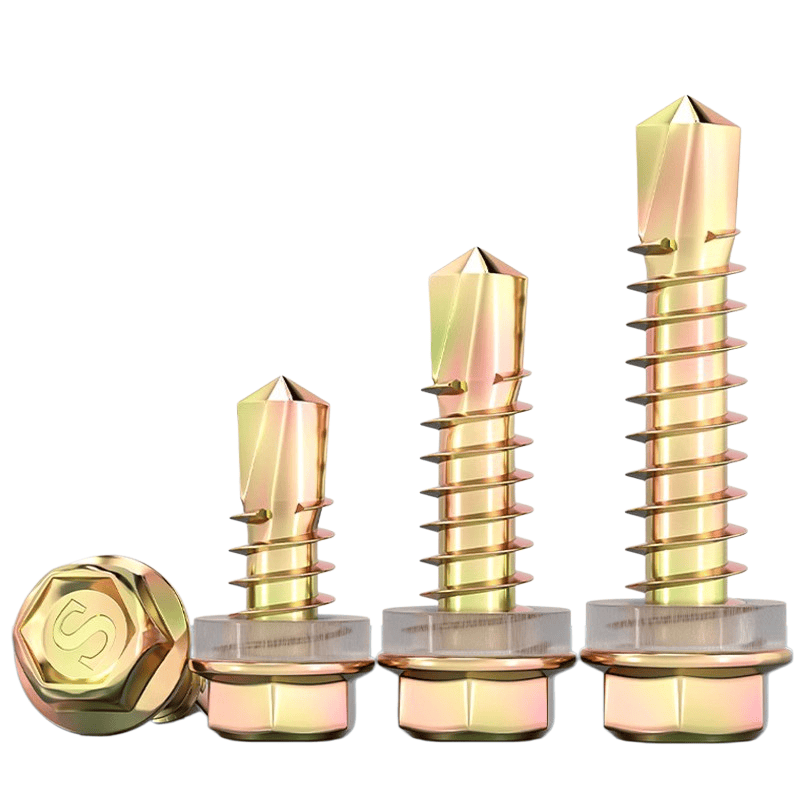
Carbon steel bolts are manufactured from steel alloys where carbon is the primary alloying element, typically ranging from 0.05% to 0.55% depending on the desired strength level. Carbon steel is the most commonly used material for bolts worldwide, favored for its exceptional strength, wide availability, and economical cost. The vast majority of structural bolts, automotive fasteners, and general-purpose industrial fasteners are made from carbon steel.
Key Characteristics of Carbon Steel Bolts
- High Strength: Carbon steel bolts are available in a wide range of strength grades. Common grades include Grade 4.6, 5.8, 8.8, 10.9, and 12.9 per ISO 898-1, with tensile strengths ranging from 400 MPa (Grade 4.6) to 1,200 MPa (Grade 12.9). Grade 8.8 and 10.9 are the most commonly specified for structural applications, offering tensile strengths of 800 MPa and 1,000 MPa respectively.
- Low Cost: Carbon steel is significantly less expensive than stainless steel — typically 50-70% lower in raw material cost. This cost advantage makes carbon steel bolts the economical choice for applications where corrosion is not a primary concern or where protective coatings provide adequate corrosion protection.
- Vulnerability to Corrosion: The primary limitation of carbon steel is its susceptibility to rust and corrosion when exposed to moisture, oxygen, and corrosive environments. Without protective treatment, carbon steel bolts will develop surface rust within hours of exposure to humid conditions. This vulnerability necessitates protective coatings for most applications.
- Coating Options: Various protective coatings extend the service life of carbon steel bolts in corrosive environments. Common coatings include zinc plating (hot-dip galvanized, electroplated), zinc flake coatings (DACROMET, GEOMET), phosphate and oil, and organic coatings. Each coating system provides different levels of corrosion protection at varying costs.
- Wide Temperature Range: Carbon steel bolts maintain useful mechanical properties from cryogenic temperatures up to approximately 300-400°C for standard grades. For elevated temperature service, alloy steel bolts with chromium and molybdenum additions (e.g., ASTM A193 B7, B16) are used.
The strength of carbon steel bolts is achieved through heat treatment processes including quenching and tempering. Higher-strength grades require more precise control of carbon content, heat treatment parameters, and manufacturing processes. The availability of multiple strength grades allows engineers to select the optimal balance of strength, ductility, and cost for each application.
Carbon Steel Advantage: For structural applications where strength is the primary requirement and the environment is protected or coated, carbon steel bolts offer the best combination of performance and economy. Grade 8.8 bolts provide strength comparable to many stainless steel grades at roughly half the cost.
Stainless Steel Bolts Overview
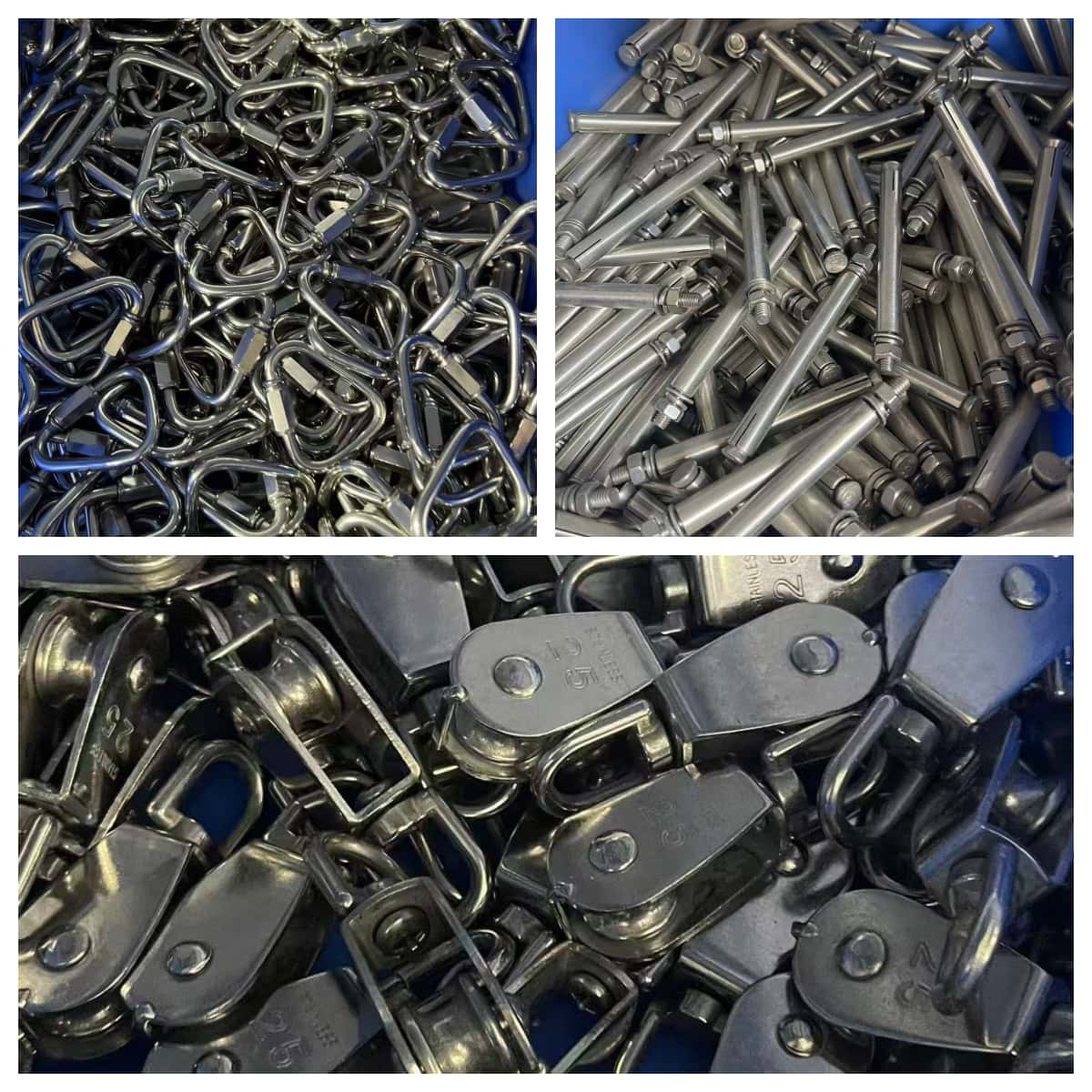
Stainless steel bolts are manufactured from steel alloys containing a minimum of 10.5% chromium, which forms a self-healing passive oxide layer on the surface that provides corrosion resistance. The most common grades for fasteners are from the austenitic family — primarily SS304 (A2) and SS316 (A4) — though ferritic and duplex grades are also used for specific applications. Stainless steel bolts are essential for industrial fasteners in corrosive environments where carbon steel would rapidly deteriorate.
Key Characteristics of Stainless Steel Bolts
- Excellent Corrosion Resistance: The chromium oxide passive layer on stainless steel provides inherent corrosion resistance without requiring additional coatings. SS304 bolts resist atmospheric corrosion, while SS316 bolts with added molybdenum provide superior resistance to pitting and crevice corrosion in chloride environments. This self-healing passive layer means corrosion resistance is maintained even if the surface is scratched or damaged.
- Higher Cost: Stainless steel bolts cost significantly more than carbon steel equivalents — typically 2-4 times the price depending on grade and size. This premium reflects the higher cost of chromium, nickel, and other alloying elements, as well as more demanding manufacturing and quality control requirements.
- Moderate Strength: Standard austenitic stainless steel bolts achieve lower strength levels compared to high-grade carbon steel. Common grades include A2-70 (SS304, 700 MPa minimum tensile strength) and A4-80 (SS316, 800 MPa minimum tensile strength). While adequate for many applications, these strengths are lower than Grade 10.9 or 12.9 carbon steel bolts. However, precipitation-hardening and duplex stainless steels can achieve strengths exceeding 1,000 MPa.
- Non-Magnetic Properties: Austenitic stainless steel bolts are non-magnetic in the annealed condition, which is essential for applications in medical imaging equipment, electronics, and scientific instruments where magnetic interference must be minimized.
- Aesthetic Appeal: Stainless steel maintains a bright, metallic appearance that does not require painting or coating. This makes stainless steel bolts preferred for architectural applications, consumer products, and any application where appearance matters.
- Temperature Performance: Stainless steel bolts maintain useful properties from cryogenic temperatures to approximately 870°C intermittently. Unlike carbon steel, austenitic stainless steel does not become brittle at low temperatures, making it ideal for cryogenic applications including LNG facilities and cold storage.
Thread galling is a common concern with stainless steel bolts. Galling occurs when stainless steel surfaces slide against each other under pressure, causing material to seize and weld together. This can make bolts difficult to tighten or impossible to remove. Prevention strategies include using anti-seize lubricants, PTFE coatings, or pairing dissimilar materials. Our detailed guide on preventing thread galling covers this topic thoroughly.
Stainless Steel Advantage: For applications exposed to moisture, chemicals, salt, or where maintenance access is limited, stainless steel bolts provide superior long-term value. While the initial cost is higher, the elimination of corrosion-related maintenance and replacement often results in lower total cost of ownership.
Strength and Durability Comparison
Strength is often the primary consideration in bolt selection, particularly for structural and safety-critical applications. The strength comparison between carbon steel bolts and stainless steel bolts reveals important differences that influence material selection.
| Property | Carbon Steel (Grade 8.8) | Carbon Steel (Grade 10.9) | SS304 (A2-70) | SS316 (A4-80) |
|---|---|---|---|---|
| Tensile Strength | 800 MPa | 1,000 MPa | 700 MPa | 800 MPa |
| Yield Strength | 640 MPa | 900 MPa | 450 MPa | 600 MPa |
| Elongation | 12% min | 9% min | 40% min | 40% min |
| Hardness (Rockwell) | 23-34 HRC | 32-39 HRC | ~88 HRB | ~95 HRB |
| Shear Strength | 480 MPa | 600 MPa | 420 MPa | 480 MPa |
| Fatigue Limit | ~130 MPa | ~160 MPa | ~170 MPa | ~190 MPa |
| Corrosion Resistance | Poor | Poor | Good | Excellent |
When Carbon Steel Bolts Are Stronger
For applications requiring maximum tensile and yield strength, carbon steel bolts in Grade 10.9 or 12.9 are the clear choice. These high-strength grades achieve tensile strengths of 1,000-1,200 MPa, significantly exceeding standard stainless steel grades. High-strength carbon steel bolts are essential for:
- Structural Steel Connections: High-strength friction grip bolts (ASTM A325, A490) for steel building frames and bridge connections require the strength that only carbon steel can provide economically.
- Automotive Suspension: Critical suspension components require Grade 10.9 or 12.9 bolts to withstand dynamic loads and vibration without failure.
- Heavy Machinery: Equipment subject to high static and dynamic loads relies on high-strength carbon steel bolts for reliable joint performance.
- Foundation Anchors: Concrete anchor bolts typically use carbon steel for its superior strength and bond characteristics with concrete.
When Stainless Steel Bolts Are More Durable
While carbon steel bolts may be stronger in absolute terms, stainless steel bolts often provide superior durability in real-world service conditions because they maintain their strength and integrity in corrosive environments where carbon steel bolts would deteriorate:
- Corrosive Environments: A stainless steel bolt retains its full strength in a marine environment, while a carbon steel bolt may lose significant cross-section due to corrosion, reducing its effective strength below safe levels.
- Fatigue Applications: Stainless steel exhibits excellent fatigue resistance, particularly in corrosive environments where corrosion fatigue can dramatically reduce the fatigue life of carbon steel bolts.
- Long Service Life: For applications designed for 20+ year service life with minimal maintenance, stainless steel bolts provide more predictable long-term performance.
- Cryogenic Applications: Austenitic stainless steel maintains excellent toughness at temperatures as low as -196°C, where carbon steel becomes brittle and unsuitable for bolted connections.
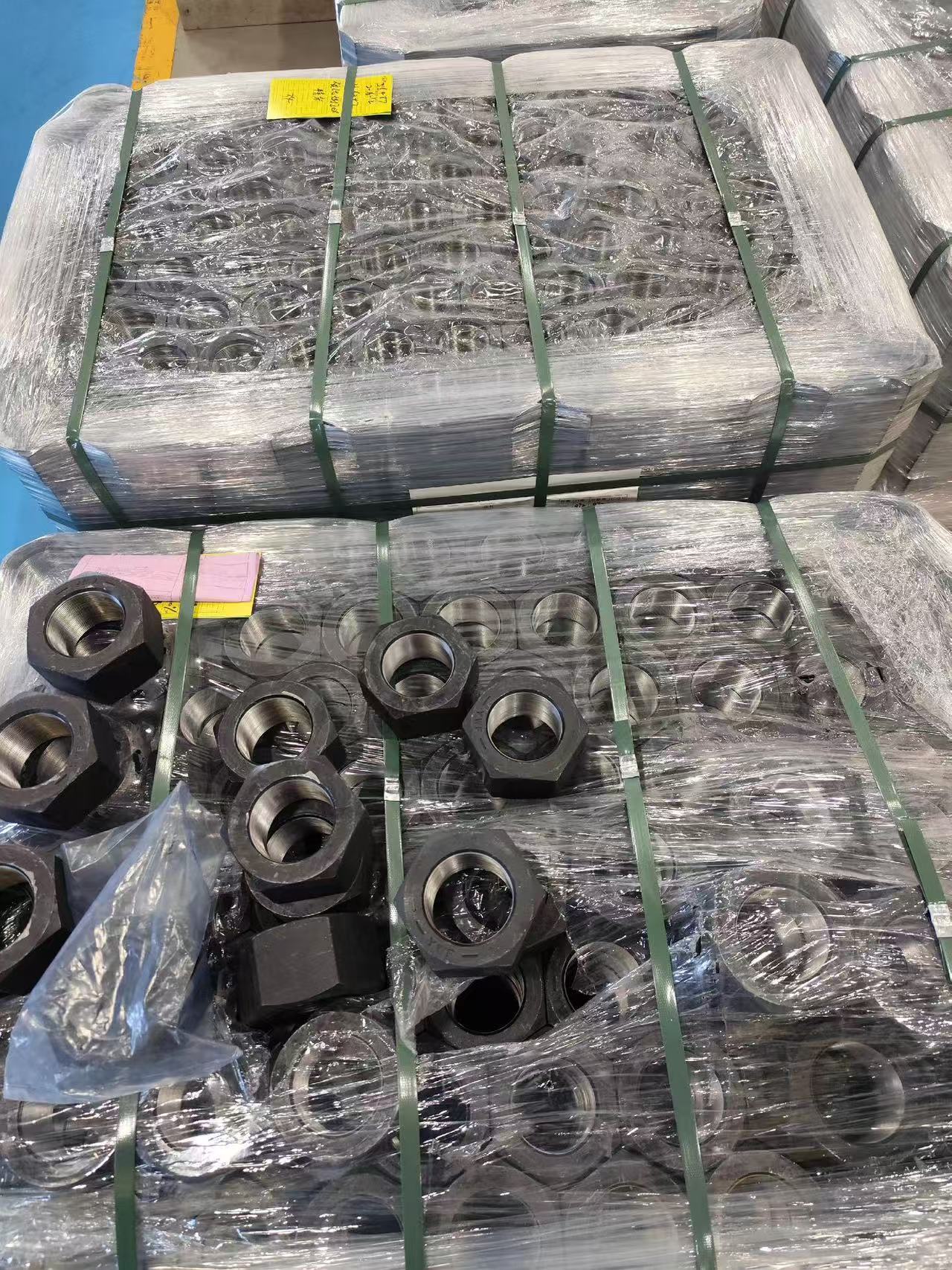
Strength Verdict: For maximum strength in protected environments, carbon steel bolts (Grade 10.9/12.9) are superior. For applications where corrosion resistance affects long-term integrity, stainless steel bolts often provide better real-world durability despite lower nominal strength values. Duplex stainless steel bolts offer both high strength (comparable to Grade 8.8) and excellent corrosion resistance for demanding applications.
Cost Comparison: Carbon Steel vs Stainless Steel Bolts
Cost is a significant factor in bolt selection, particularly for high-volume applications. The price difference between carbon steel bolts and stainless steel bolts can be substantial, but total cost of ownership must consider more than the initial purchase price.
| Cost Factor | Carbon Steel Bolts | Stainless Steel Bolts |
|---|---|---|
| Raw Material Cost | Low ($0.50-2.00/kg) | High ($3.00-8.00/kg) |
| Bolt Cost (M10x50) | $0.05-0.15/pc | $0.20-0.60/pc |
| Coating Cost | $0.02-0.08/pc (if needed) | Not required |
| Maintenance Cost | Periodic inspection/replacement | Minimal |
| Replacement Cost | Higher (corrosion-related) | Lower |
| Service Life | Depends on coating, exposure and maintenance | Depends on grade, exposure and joint design |
Initial Cost Analysis
Carbon steel bolts often have a lower initial unit cost than stainless steel bolts, but the actual difference varies with grade, diameter, thread, quantity, coating, inspection and market conditions. Buyers should compare quotations made to the same drawing and specification rather than rely on a generic price ratio.
Total Cost of Ownership
The true cost comparison must account for the complete lifecycle of the bolted connection. In corrosive environments, carbon steel bolts may require:
- Periodic Inspection: Regular visual inspection and torque verification to detect corrosion-related degradation.
- Condition-Based Replacement: Establish inspection and replacement criteria from the exposure environment, coating condition, joint criticality and engineering requirements.
- Protective Maintenance: Reapplication of coatings, corrosion inhibitors, or protective paints to extend service life.
- Downtime Costs: Production losses during bolt replacement operations, which can far exceed the material cost of the bolts themselves.
When these factors are considered, stainless steel bolts often prove more economical over the full service life, particularly in aggressive environments. A single bolt replacement event — including labor, equipment, and production downtime — can cost many times the original material savings from choosing carbon steel over stainless steel.
Cost Rule of Thumb: For indoor or protected environments, carbon steel bolts with appropriate coating are the most cost-effective choice. For outdoor, marine, or corrosive environments, calculate the total cost of ownership over the expected service life — stainless steel bolts typically provide lower total cost despite higher initial price.
Applications and Recommendations: Which One to Choose
The optimal bolt material depends on the specific application requirements. The following guidelines help engineers and procurement professionals select between carbon steel bolts and stainless steel bolts for common application scenarios.
Choose Carbon Steel Bolts When:
- Structural Steel Construction: Building frames, bridges, and steel structures where high-strength bolts (Grade 8.8, 10.9) are required for structural connections. Hot-dip galvanized carbon steel provides adequate corrosion protection for most building applications.
- Automotive and Transportation: Vehicle chassis, engine components, and suspension systems where high strength is critical and the environment is relatively protected. Zinc-plated or zinc-flake coated carbon steel bolts are standard.
- Indoor Equipment: Machinery, appliances, and equipment in climate-controlled indoor environments where corrosion exposure is minimal.
- Temporary Structures: Scaffolding, formwork, and temporary construction where the fasteners will be removed and reused, making the lower material cost more significant.
- High-Strength Requirements: Any application requiring bolt strengths exceeding 800 MPa, such as heavy machinery, mining equipment, or high-pressure vessels.
- Cost-Sensitive Applications: High-volume consumer products and general-purpose assemblies where the cost premium of stainless steel cannot be justified.
Choose Stainless Steel Bolts When:
- Marine and Coastal: Any application exposed to salt water or coastal atmosphere. SS316 is the minimum recommended grade for marine environments.
- Chemical and Pharmaceutical: Equipment and structures exposed to acids, alkalis, solvents, or cleaning chemicals. Stainless steel provides inherent corrosion resistance without coatings that could contaminate processes.
- Food and Beverage: Processing equipment, vessels, and piping where FDA-compliant, non-contaminating materials are required. Stainless steel is the industry standard for food contact surfaces.
- Outdoor Architecture: Facade connections, structural fasteners, and architectural hardware where long-term appearance and corrosion resistance are essential.
- Cryogenic Applications: LNG facilities, cold storage, and liquid gas handling where materials must maintain toughness at extremely low temperatures.
- Non-Magnetic Requirements: Medical imaging equipment, electronics, and scientific instruments where magnetic interference must be minimized.
- Low Maintenance Priority: Applications where bolt replacement is difficult, expensive, or impossible — such as embedded anchors, underwater structures, or confined-space installations.
Quick Decision Guide: If the bolt will be exposed to moisture, chemicals, or salt — choose stainless steel bolts. If the bolt is in a protected environment and maximum strength is needed — choose carbon steel bolts. When both strength and corrosion resistance are required, consider high-strength stainless options such as duplex grades or precipitation-hardening stainless steels. Contact our engineering team for application-specific recommendations.
Conclusion: Making the Right Bolt Selection
The choice between carbon steel bolts and stainless steel bolts is one of the most fundamental decisions in fastener specification. Carbon steel offers superior strength and lower cost, making it the default choice for structural and general-purpose applications. Stainless steel provides excellent corrosion resistance and aesthetic appeal, justifying its higher cost in demanding environments.
The key to optimal selection is evaluating the complete service environment — not just the initial cost or a single performance parameter. Consider the exposure conditions, required strength, maintenance accessibility, expected service life, and total cost of ownership. In many cases, the “cheaper” option proves more expensive over time when maintenance, replacement, and downtime costs are factored in.
At Youjia Metals, we offer comprehensive ranges of both carbon steel bolts and stainless steel bolts, along with expert engineering support to help you select the optimal fastener for every application. Our industrial fasteners are manufactured to international standards with full material traceability and quality documentation.
Ready to specify the right bolts for your project? Contact our team for complimentary material selection guidance and competitive quotations.