
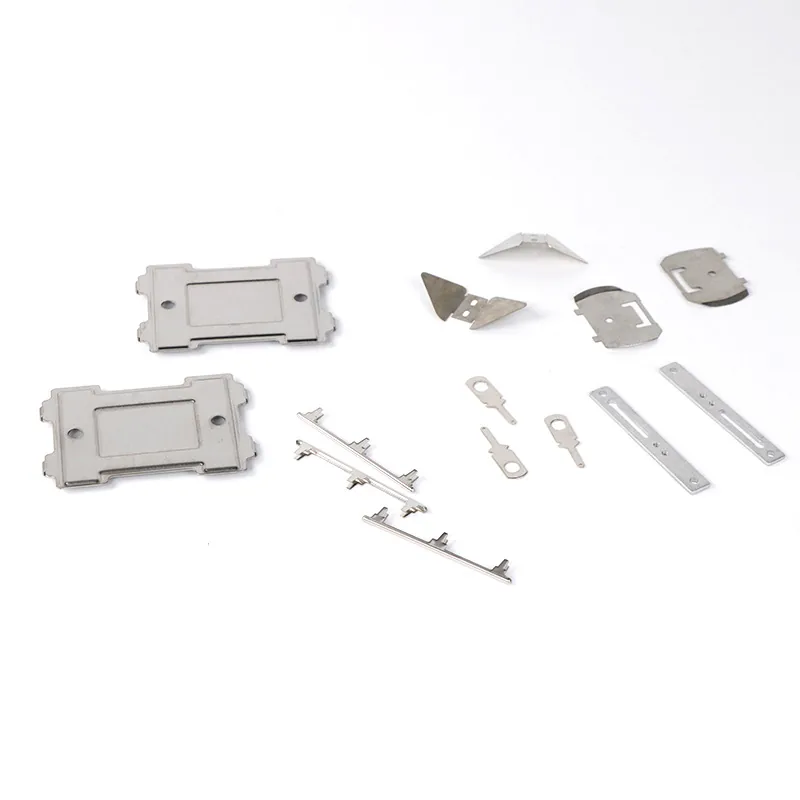
How to Choose Metal Stamping Materials for Custom Parts
A buyer-focused guide to selecting sheet metal by function, environment, forming needs, finish and purchase requirements—not by a material name alone.
Contents
Start with function, environment and assembly context.
Review material groups against actual part requirements.
Align grade, thickness, finish and critical features.
Use the latest drawing for quote, sample and production.
Begin With What the Stamped Part Must Do
The fastest way to make a poor material decision is to start with a familiar grade instead of the component’s job. A custom bracket, clip, cover, contact, retainer or enclosure can look simple in a CAD view, yet material choice affects its forming behavior, stiffness, edge condition, joining method, finish compatibility and service environment. Buyers should begin with questions that have an engineering answer: What does this part attach to? Will it be seen by the end user? Does it need to spring, conduct current, shield another component, resist moisture, accept paint, or hold a threaded fastener?
Then identify the conditions the part will actually encounter. Indoor dry use, outdoor exposure, a wash-down area, a cabinet, a vehicle assembly and a marine installation are not interchangeable environments. Do not call a material “corrosion proof” without project-specific evidence; state the environment and ask the supplier to review suitable options. In the same way, do not use a broad request such as “strong metal.” Define the function, mounting direction, mating parts and critical dimensions. That gives a supplier a reasoned basis for discussing metal stamping materials.
Material is only one part of a manufacturable design. Hole-to-edge distance, bend radius, formed depth, grain direction, surface requirement and secondary operations can all affect the proposed route. Our metal stamping design guide explains how geometry and process choices should be reviewed together before a tool or production method is fixed.
Information a Supplier Needs Before Recommending a Material
A useful recommendation starts with usable inputs. Send the current drawing or model, revision level, part application, expected quantity, environment, required finish and any material standard already specified by your design team. If you have a preferred grade but will accept alternatives, say so. If the part must work with a mating component or fastener, include that context. It is better to identify an open question in the RFQ than leave a supplier to guess.
Thickness should not be written as an isolated number when other conditions matter. State whether thickness is nominal, whether a coating is included in the requirement, and whether the part has a critical formed feature. If a surface is visible or must mate with a seal, add a clear visual or functional note. If conductivity, magnetism, weldability, thread formation or a post-process matters, describe the requirement rather than assuming the material name explains it.
Part function
Explain mounting, support, retaining, cover, contact or enclosure function and show relevant mating parts.
Environment
Describe indoor, outdoor, moisture, chemical exposure, temperature or handling conditions that influence selection.
Form and features
Identify holes, slots, bends, deep forms, tabs, threads, welds and critical visible faces.
Commercial inputs
Provide expected quantity, sample need, drawing revision, packaging and destination for a meaningful quote.
Carbon Steel for General Stamped Hardware
Low-carbon steel is commonly considered for general brackets, mounting plates, tabs, clips and structural hardware where its forming and joining behavior fits the design. The specific grade, thickness and condition must still be confirmed for the project. Material availability and the intended finish can influence the practical choice. A painted, plated or otherwise protected carbon-steel part is not the same request as an uncoated part used in a damp environment.
For buyers, the key question is not whether carbon steel is “cheap.” It is whether it meets the functional requirement after forming and finishing. Think about springback after bending, the edge condition around pierced features, the need for welds or inserts, and whether the part will be exposed before assembly. If a protective finish is needed, include it in the quotation package. A late finish decision can affect dimensions, appearance, handling and process sequence.
Carbon steel can be a sensible starting point for many industrial parts, but it is not a default substitute for stainless steel or aluminum. If corrosion exposure, weight, electrical behavior or a decorative surface drives the requirement, those needs should lead the discussion. The right result comes from matching the material route to the application, not from treating every stamped bracket as identical.
When Stainless Steel Is a Better Starting Point
Stainless steel is often evaluated when a project needs corrosion resistance, a durable visible surface, a particular hygiene requirement, or a material choice that suits the intended environment. The specific stainless grade should be confirmed, because “stainless” alone does not define the same behavior in every application. Forming effort, springback, tool interaction, finish and joining requirements can differ between grades and part shapes.
For a buyer, it is helpful to state whether the part is exposed to outdoor weather, moisture, cleaning, salt-containing conditions or only indoor handling. If a particular grade such as SS304 or SS316 is required by the customer or product specification, write it directly. If the grade is not fixed, write the environmental requirement and request a drawing-based review. Avoid using marine-grade language unless the specific material and application requirement have been confirmed.
Stainless steel is not simply carbon steel with a higher purchase price. It may affect bend design, surface marking, forming sequence and tool maintenance considerations. Include visible-face expectations in the drawing or finish note. If the component belongs to a fastening or chain assembly, material selection should be coordinated across mating hardware. See our guide to SS304 vs SS316 stainless steel chain for an example of how environment and grade selection must be discussed together.
Aluminum for Weight-Sensitive or Corrosion-Resistant Parts
Aluminum is often reviewed when lower part weight, corrosion behavior, conductivity or a specific appearance route matters. It can be used for covers, housings, brackets, plates and other components, but the selected alloy and condition must suit the form. A part with multiple tight bends, thin tabs or an aggressive formed profile should be reviewed as a forming problem, not only as a material substitution.
Buyers should describe whether the part needs anodizing, paint, electrical contact, bonding or a cosmetic surface. These needs can influence the material, surface preparation and design. If aluminum replaces steel, also check the interfaces: fasteners, galvanic considerations in the assembled environment, stiffness needs and contact surfaces can all be relevant. Do not assume that equal thickness automatically produces the same performance in a different material.
Use the drawing to show which faces are cosmetic and which areas are functional. If a finish sample or color requirement is important, make it part of the project documentation. An experienced supplier can review whether a proposed material and finishing path is appropriate; the final choice should be confirmed with the drawing, application and required standards.
Copper and Brass for Conductive or Specialized Components
Copper and brass alloys may be considered where electrical conductivity, contact behavior, appearance or a specialized forming need is important. These materials should be specified with the same discipline as steel or aluminum: identify the required alloy or standard where known, temper or condition if relevant, thickness, plating requirement and the function of the contact surface. A photograph of a yellow or red metal part is not a material specification.
For electrical components, explain the current-carrying role, contact configuration, joining method and whether plating or cleanliness is required. For decorative or hardware applications, explain the expected finish and exposed surface. Material selection may be linked to stamping, bending, insertion, welding, plating or assembly, so the supplier should see the whole component requirement. If the project lacks complete data, a technical review can identify the open points without inventing an unsuitable grade.
Thickness, Temper and Formability Matter as Much as Grade
Two sheets with similar material names can perform differently in a stamping operation when thickness, temper, surface condition or supply condition changes. These attributes influence how material flows, bends, springs back and responds around a pierced or formed feature. That is why a purchase drawing should identify the relevant requirement rather than leaving it as “steel sheet” or “stainless plate.”
Formability is especially important for parts with deep sections, narrow bends, lanced tabs, embossed details, louvers or multiple sequential forms. A supplier may need to review bend geometry, grain direction, tolerance and process order before confirming the route. Do not force a generic tolerance value on every feature. Instead, identify the features that control fit and ask whether their requirements can be evaluated in the proposed material and process.
For further guidance on this relationship, review our metal stamping tolerances guide. It helps purchasing teams distinguish between a general drawing dimension and a critical feature that must be defined, measured and communicated clearly.
Plan Finish and Corrosion Resistance Early
Finishes are part of the material decision, not an afterthought. Paint, powder coating, plating, passivation, brushing, polishing and other treatments have different purposes and process limits. The right choice depends on the material, environment, appearance requirement and downstream operation. State whether a surface must resist handling, remain conductive, accept a coating, match an appearance sample or remain free from a particular kind of marking.
It is also useful to state what you do not know. If the drawing specifies a finish but not the exposure condition, mark the condition for confirmation. If color is required, provide a controlled reference where possible. If a coating may affect a hole, thread, contact face or mating dimension, identify that function before production. A good supplier review makes these interactions visible before a first sample is approved.
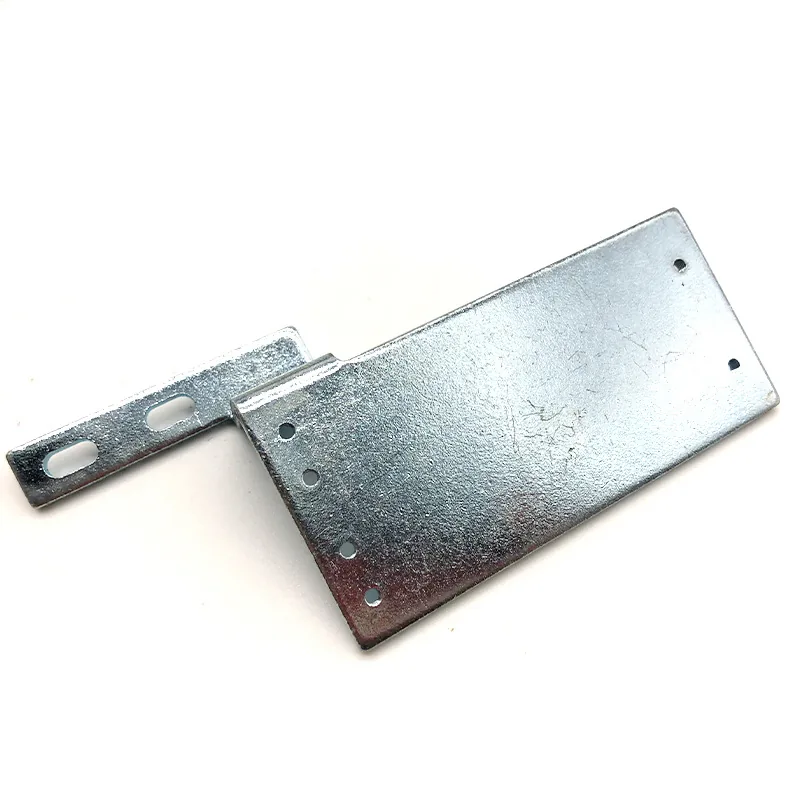
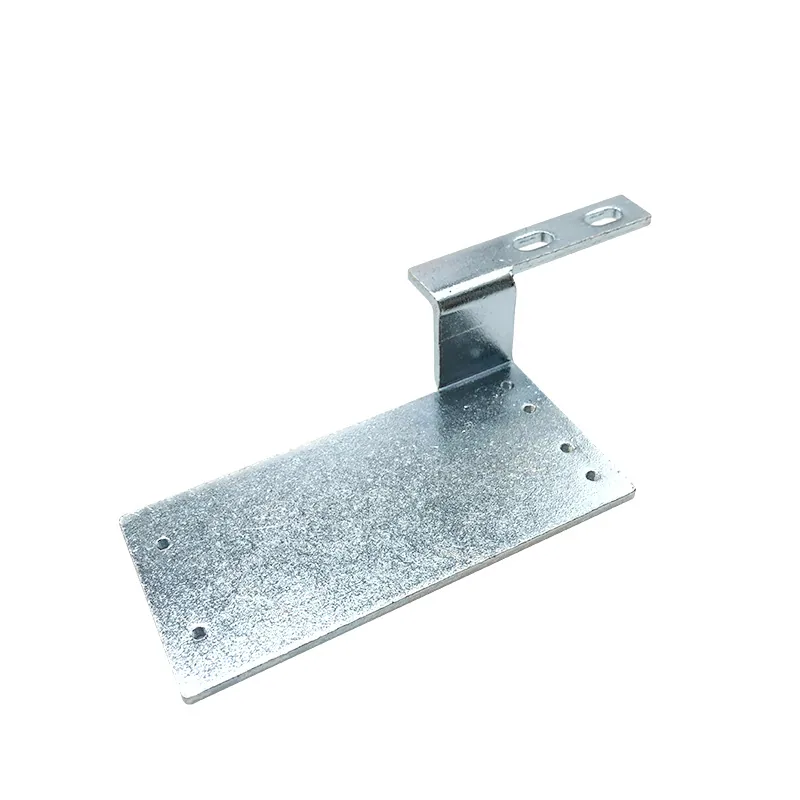
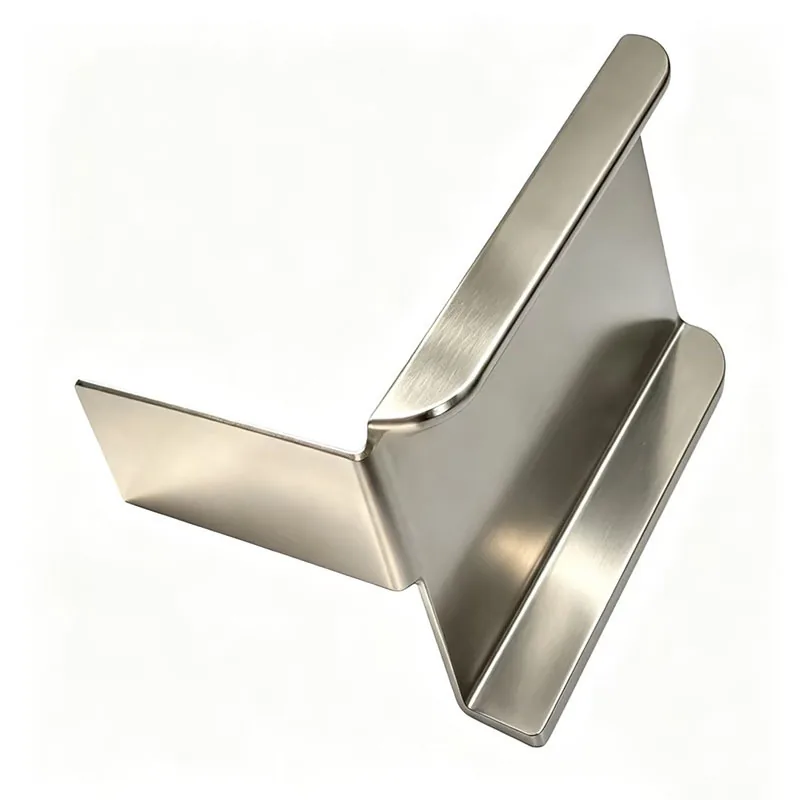
How Material Choice Affects Tooling and Production Planning
Material selection connects directly to production planning. Hardness, thickness, formability, surface sensitivity and part geometry can influence tool design, forming sequence, scrap handling and inspection planning. This does not mean a buyer needs to design the die. It means the buyer should give the supplier enough information to review whether the requested material and part shape are aligned.
Prototype samples may be made by a different route from production stampings. That can be useful for testing fit or concept, but it should be understood. Ask which aspects of the sample are representative of the intended production route and which features will need reconfirmation. Our first article inspection guide outlines how to document these questions before a production release.
Quantity also matters. A low-volume custom run, a pilot batch and a recurring production program can have different tooling and inspection considerations. Do not ask a supplier for a one-size-fits-all answer. Share the quantity range and timing expectation so the proposed route can be assessed realistically.
A Buyer Comparison Table for Common Material Groups
| Material group | Often reviewed for | Points to confirm before release |
|---|---|---|
| Carbon steel | General brackets, plates, clips and industrial hardware. | Grade, thickness, finish, corrosion environment and joining needs. |
| Stainless steel | Corrosion-conscious, visible or environmental applications. | Exact grade, finish, bend/form needs and application environment. |
| Aluminum | Weight-sensitive parts, covers, housings and selected brackets. | Alloy, condition, formed features, finish and assembled interfaces. |
| Copper or brass | Conductive contacts, specialized hardware or appearance-led parts. | Alloy, temper, plating, contact function and cleanliness requirement. |
This table is a starting point, not an engineering specification. The selection must be reviewed against the actual drawing. A strong RFQ makes the material decision easier because it provides context rather than asking the supplier to infer performance from a product name alone.
Material Selection Checklist for a Metal Stamping RFQ
Before requesting a quote, gather the latest drawing, material designation if fixed, required thickness, finish, part function, annual or order quantity, packaging needs, destination and any sample or inspection expectation. Highlight the features that control fit or function. If the choice is between multiple materials, explain the decision criteria: lower weight, corrosion exposure, conductivity, visible finish, forming need or cost target. That allows the supplier to assess options without making unsupported promises.
Use our metal stamping RFQ checklist to organize the request. For drawing-based clips, brackets, straps and non-standard parts, the Custom Hardware Parts category provides related product context. Clear inputs support more accurate quotes, sample planning and inspection conversations.
Review Samples, Inspection Requirements and Material Changes
When the material is important to fit or function, connect material selection to the sample and inspection plan. A buyer should not wait until a shipment is packed to ask whether the sample used the intended grade, thickness or finish route. During quotation, explain whether the project needs a prototype for fit, a first article review, a production sample, a material document where agreed, or a specific inspection record. The right package depends on the program; it should be defined rather than implied.
A sample can answer useful questions. Does the formed part fit the mating assembly? Does the surface appear appropriate for the intended visible area? Does an edge require an additional finishing operation? Are the holes, tabs and bends in the intended orientation? However, a sample is not a license to leave the drawing incomplete. A sample should be tied to the released revision and the written requirements used to judge it. When information changes, update the drawing or project record so that a temporary discussion does not become an undocumented production instruction.
Material substitutions deserve special care. A supplier may identify an alternative material because of supply, forming or finishing considerations. That information can be valuable, but it must be reviewed against the part’s function before it is accepted. Ask what exactly is changing: grade, thickness, temper, surface treatment, source form or production route. Ask which requirements have been compared and which still require confirmation. Do not assume that a familiar alloy name means an interchangeable result.
It is also useful to control incoming materials and buyer-supplied materials in a consistent way. If the buyer supplies stock, identify the material, dimensions, condition, quantity, protective packaging and any documentation that must travel with it. If the supplier sources material, identify what must be confirmed from the RFQ. This does not require an unrealistic promise of full documentation for every small project. It simply prevents an order from relying on an unspoken assumption.
For parts that receive plating, paint, anodizing, welding or other secondary work, define the material checkpoint before the next operation starts. A finish can mask a surface condition, add to a dimension, change appearance or affect electrical contact. The earlier the relevant requirement is stated, the easier it is to evaluate the manufacturing sequence. In this way, material review supports quality communication without turning the article into a claim about performance that has not been tested for the actual project.
Finally, record approval status clearly. A buyer may approve a sample for fit review only, approve it with a documented condition, request a revision, or authorize production based on agreed information. These are different decisions. Keeping them separate helps purchasing, engineering, inspection and the supplier work from the same understanding. See our metal stamping first article inspection guide for a practical approach to documenting the review.
Avoid Common Material Selection Mistakes
One common mistake is selecting a material from a competitor’s product description or a photo. Product names are often broad, and photographs do not show grade, temper, thickness, finish sequence or environmental requirement. Another is choosing a material based only on initial unit cost. A lower raw-material cost may not be the best decision if it creates an unsuitable finish path, a design change, additional handling or a failure to meet the application requirement. Cost should be discussed with the full specification in view.
A third mistake is asking for a generic “high precision” part without defining which features control the assembly. Material behavior affects the practical approach to tolerances and forming. Mark the critical dimensions, identify datums where needed, and ask for a project-specific review. A fourth mistake is failing to distinguish an aesthetic requirement from a functional one. A small tool mark may be acceptable on a hidden interior face but unacceptable on a visible customer-facing surface. The drawing and finish notes should make this difference clear.
Buyers also sometimes mix multiple revisions or emails into one request. Before a supplier begins sample work, consolidate the current information. State which file is controlling, which notes remain open, and who can approve a change. This habit reduces rework and makes it easier to compare the first article, final drawing and ordered part. Good material selection is therefore not a one-line decision. It is a disciplined piece of the broader custom stamping process.
Frequently Asked Questions
What is the best metal for stamping?
There is no universal best choice. The suitable material depends on the part function, environment, geometry, required finish, joining method and drawing requirements. Confirm the final choice after a project-specific review.
Can stainless steel replace carbon steel in a stamped part?
Possibly, but it should not be treated as an automatic replacement. Review the exact grade, thickness, forming behavior, finish, interfaces and application requirement before changing a drawing.
How should I specify material on a stamping drawing?
State the material grade or standard where known, thickness, condition or temper if relevant, finish and any functional requirement. Include the current drawing revision and identify critical features.
Does a finish eliminate the need to choose the right material?
No. A finish is part of the overall design. The base material, finish route, application and mating conditions should be evaluated together.
Can a supplier recommend material from a photo?
A photo can support discussion of part shape, but it is not sufficient to determine material or acceptance requirements. Send the drawing, application information and any relevant material or finish requirement.
Request a Drawing-Based Material Review
Youjia Metals supports drawing-based discussions for custom stamped hardware, formed brackets, clips, plates and related components. Send the latest drawing, required material or application environment, key dimensions, finish, quantity and packaging needs through our contact form. The proposed material, manufacturing route and inspection content should be confirmed for the specific project.