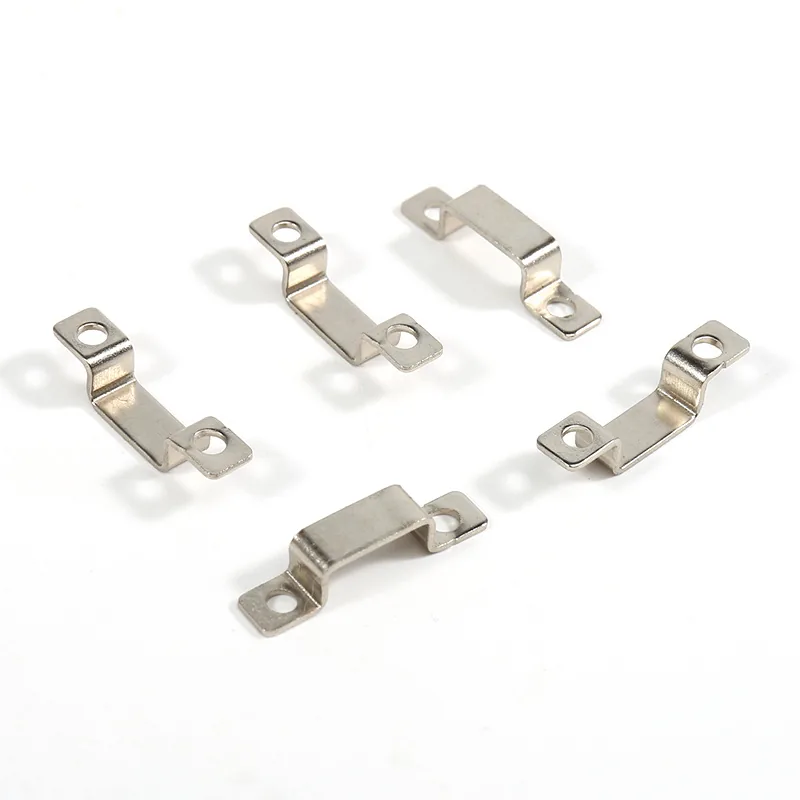
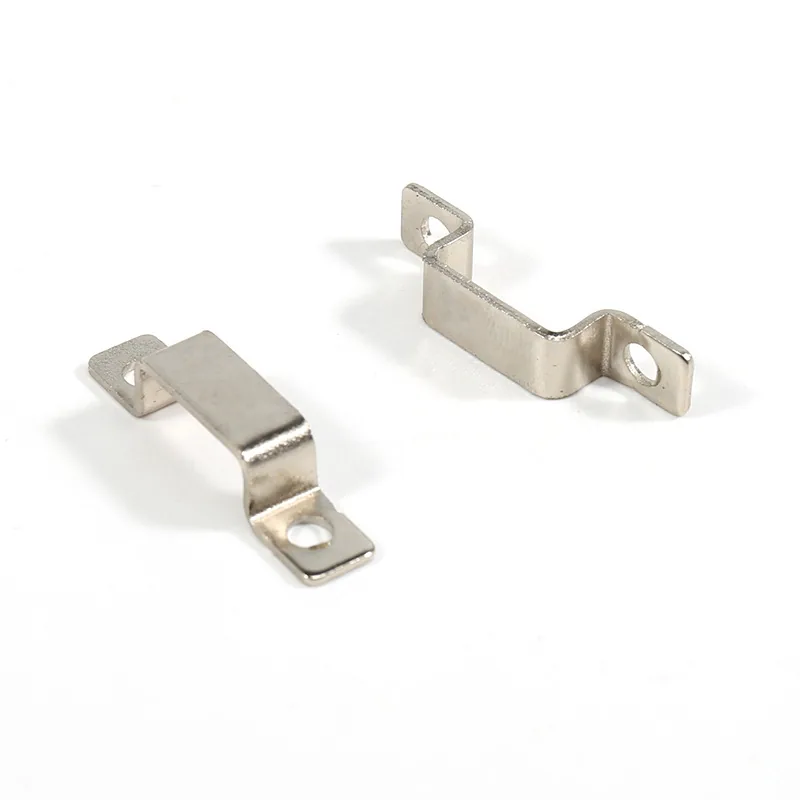
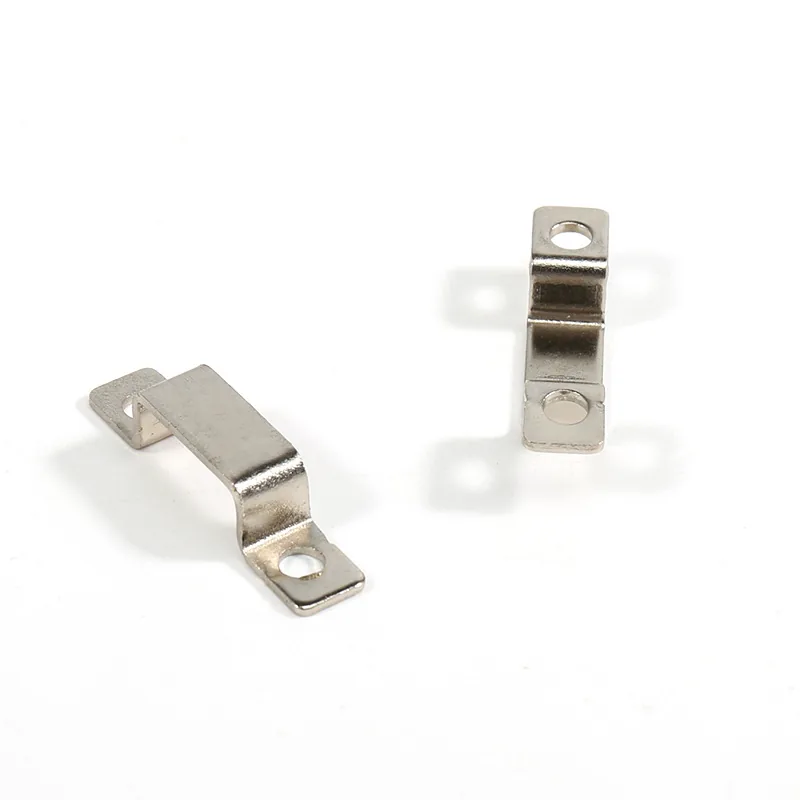
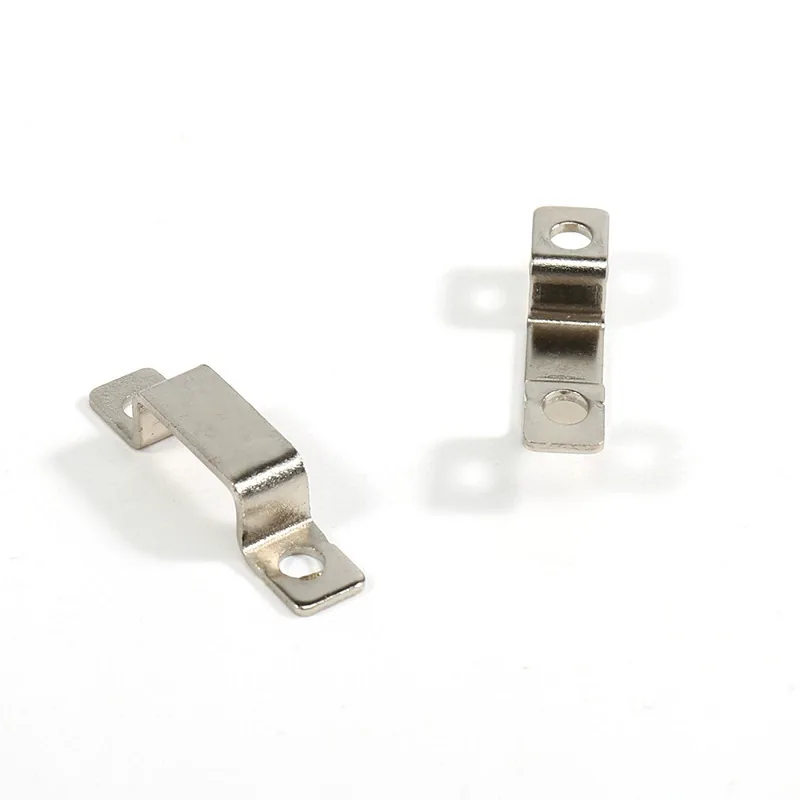
Custom metal mounting straps are drawing-based formed sheet metal components used to hold, bridge, position, or secure parts within an assembly. Youjia Metals manufactures custom stamped metal mounting straps from customer drawings, samples, or installation requirements. Strap width, offset height, bend geometry, mounting-hole position, material, finish, and inspection points are reviewed before quotation. This approach helps buyers obtain a part that matches the surrounding hardware instead of forcing a standard strap into a non-standard assembly.
Product Overview
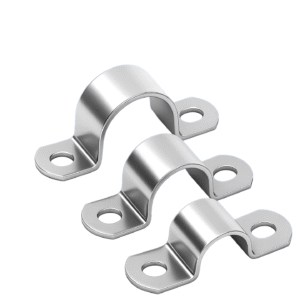
These parts combine flat sections, formed offsets, bends, and mounting holes in a compact component. The exact geometry is project-specific. A buyer may need a bridge-shaped strap, an offset retainer, a two-hole mounting bracket, or another formed profile. We evaluate the drawing and intended assembly before confirming the manufacturing route.
The photographs show real examples of formed metal strap parts. They illustrate possible shapes only; they do not establish a universal material grade, dimension, load rating, or application. Final requirements are controlled by the approved drawing or sample.
Key Features
- Drawing-based dimensions, bends, offsets, and hole positions
- Custom profiles for mounting, retaining, spacing, or assembly functions
- Stamping, cutting, punching, bending, and forming options after drawing review
- Material and surface finish selected according to the project specification
- Prototype or sample review available before repeat production, subject to project confirmation
- OEM packaging and labeling requirements can be discussed during quotation
Custom Specifications
| Item | Project Requirement |
|---|---|
| Part type | Custom mounting strap, stamped strap bracket, formed retainer, or drawing-based component |
| Material | Confirmed according to drawing, sample, functional requirement, and purchasing specification |
| Thickness | According to the approved drawing |
| Width and length | Custom; drawing or sample required |
| Offset and bend geometry | Produced according to the approved dimensions and bend requirements |
| Hole diameter and position | Custom; mating hardware details should be supplied where relevant |
| Surface finish | Confirmed after material and application review |
| Tolerance | Specified on the drawing or confirmed during engineering review |
| Inspection | Inspection items and documents agreed before production |
| Order quantity | Please contact us for project evaluation |
Stamping and Forming Process
A typical process may include blanking or cutting, hole punching, staged bending, forming, deburring, cleaning, and the specified finishing operation. The sequence depends on the part shape, material behavior, quantity, and control dimensions. For repeat orders, tooling and process controls can be evaluated after the design is reviewed.
Critical information includes the internal bend radius, material thickness, distance from each hole to the bend, flatness requirements, and the surfaces that contact adjacent parts. Providing these details early helps prevent interference during installation.
Hole Position and Installation Fit
Mounting holes are often the functional reference for an OEM mounting strap bracket. Buyers should identify the mating screw or fastener, hole type, center distance, permitted positional tolerance, and whether slots are required for adjustment. If the strap bridges another component, please also provide the required internal clearance and offset height.
Materials and Surface Finish
Material selection should follow the assembly environment, forming requirement, appearance, corrosion exposure, and cost target. Instead of assuming a grade from a photograph, we quote against the buyer’s drawing, material standard, or approved sample. Surface finish is handled in the same way: the required finish, cosmetic area, coating restrictions, and contact surfaces should be marked clearly.
Applications
Custom sheet metal mounting straps may be used in machinery, enclosures, equipment frames, electrical assemblies, fixtures, general hardware, and other OEM products. These are examples of purchasing contexts, not a claim that one strap design is suitable for every application. Final use must be checked against the assembly drawing and engineering requirements.
Quality Inspection
Inspection can focus on the characteristics that control assembly: overall length and width, material thickness, hole diameter and center distance, bend angle, offset height, burr direction, surface condition, and visual appearance. Please identify critical dimensions and the required inspection documents in the RFQ. Where a mating part is important, a sample or assembly drawing can improve the review.
OEM Manufacturing From Drawings or Samples
For a useful quotation, send a PDF, DWG, DXF, STEP, or IGS drawing when available. A clear sample can also be reviewed. Please include material, thickness, annual or batch quantity, finish, critical tolerances, inspection needs, packaging, and destination. If any field is unknown, mark it for discussion rather than inserting an assumed value.
Buyers comparing related solutions can review our custom hardware parts category and our custom CNC and metal parts capabilities. These internal links help procurement teams move from a specific strap design to broader manufacturing options.
Frequently Asked Questions
Can the strap dimensions and mounting holes be customized?
Yes. Width, length, offset, bend geometry, hole size, and hole position are reviewed against the drawing or sample.
Which material should I specify?
Please specify the required standard and grade whenever possible. If it is not yet fixed, share the environment and functional requirements for an engineering discussion; the final material remains subject to written confirmation.
Can you quote from a physical sample?
A sample may be reviewed, but a drawing is recommended for critical dimensions, tolerances, material, and finish.
Do these mounting straps have a standard load rating?
No universal rating is stated. Strength and suitability depend on geometry, material, thickness, fasteners, installation, and the complete assembly.
What information is needed for pricing?
Send the drawing or sample, material, thickness, quantity, finish, tolerance, inspection, packaging, and destination requirements.
Related Engineering Guides
For material and process decisions, see our deep drawing process guide and carbon steel vs stainless steel buyer guide. These resources help buyers define material, geometry, finish and inspection requirements before requesting a quotation.
Send your drawing, sample, quantity, material requirement, and installation details for review.
Send Your Drawing