SS304 vs SS316 Fasteners for Outdoor Construction
A comprehensive comparison of SS304 fasteners and SS316 fasteners for outdoor construction projects. Learn which corrosion resistant bolts to choose for building facades, steel structures, and roof supports.
Introduction: Outdoor Construction Environment Demands High-Quality Fastener Materials
Outdoor construction projects present unique challenges for fastening systems. Building facades, steel structures, and roof supports must withstand decades of exposure to rain, humidity, temperature extremes, and atmospheric pollutants. Selecting the right construction fasteners is critical for ensuring structural integrity, minimizing maintenance costs, and achieving the designed service life of the building.
Stainless steel fasteners have become the preferred choice for outdoor construction applications due to their exceptional corrosion resistance and minimal maintenance requirements. Unlike carbon steel fasteners that require protective coatings, stainless steel forms a passive oxide layer that provides inherent corrosion protection. This self-healing characteristic makes stainless steel bolts ideal for applications where access for maintenance is difficult or where long-term reliability is paramount.
Among stainless steel grades, SS304 and SS316 are the most commonly specified for construction applications. Both offer excellent corrosion resistance, but they differ in chemical composition, performance characteristics, and cost. Understanding these differences enables architects, engineers, and contractors to select the optimal material for each specific application, balancing performance requirements with budget constraints.
At Youjia Metals, we manufacture both SS304 fasteners and SS316 fasteners for construction applications worldwide. Our engineering team provides material selection guidance to ensure your fastening systems perform reliably throughout the building’s service life.
Key Consideration: Outdoor construction fasteners must resist atmospheric corrosion, thermal cycling, and mechanical loads for decades. Material selection decisions made during construction will impact maintenance costs and structural reliability for the entire building lifecycle. Investing in appropriate corrosion resistant bolts pays dividends through reduced lifecycle costs.
SS304 vs SS316 Properties
Both SS304 and SS316 are austenitic stainless steels belonging to the 300 series. They share many characteristics including excellent formability, weldability, and general corrosion resistance. However, their differing chemical compositions result in distinct performance characteristics that influence material selection for specific construction applications.
SS304 Characteristics
SS304 fasteners, also known as A2 stainless steel, contain approximately 18% chromium and 8% nickel. This composition provides excellent corrosion resistance in most atmospheric environments and good resistance to a wide range of chemicals. SS304 is the most widely used stainless steel grade globally, accounting for approximately 50% of all stainless steel production.
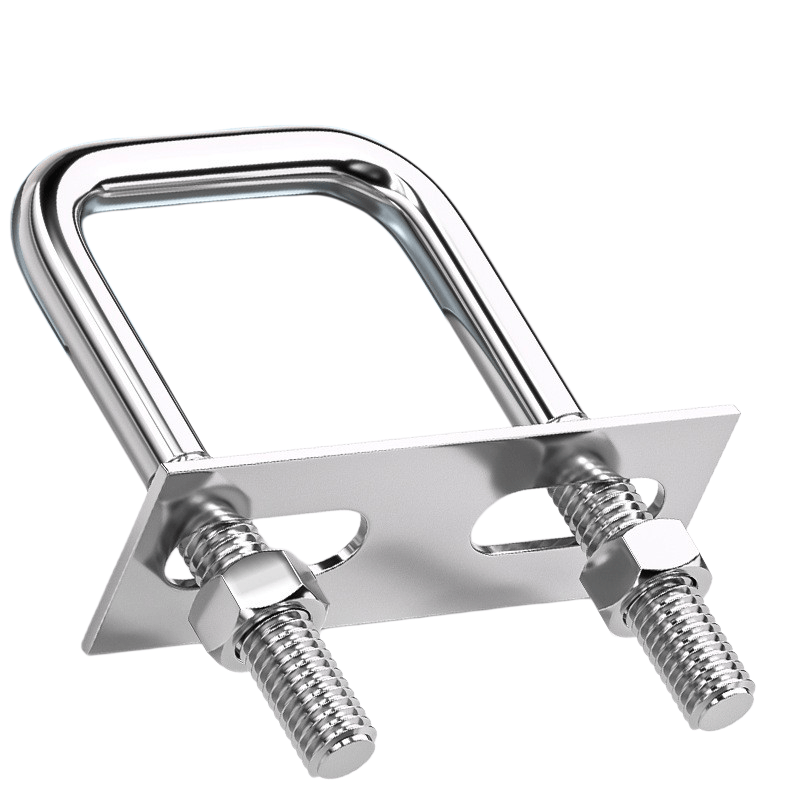
The corrosion resistance of SS304 stems from the chromium content, which forms a thin, adherent oxide layer on the surface. This passive layer is self-healing — if damaged, it quickly reforms in the presence of oxygen, providing continuous protection. In normal atmospheric conditions, SS304 fasteners can achieve service lives exceeding 50 years with minimal degradation.
SS304 fasteners are available in strength grades A2-50 (500 MPa tensile), A2-70 (700 MPa), and A2-80 (800 MPa). The grade designation indicates the minimum tensile strength in MPa. For construction applications, A2-70 is the most commonly specified grade, providing an excellent balance of strength and corrosion resistance for general structural connections.
Limitations of SS304 include susceptibility to pitting and crevice corrosion in chloride-rich environments. Coastal areas with salt spray, locations where de-icing salts are used, and industrial areas with chloride-containing pollutants can accelerate corrosion of SS304. In these environments, the higher molybdenum content of SS316 provides superior performance.
SS316 Characteristics
SS316 fasteners, also known as A4 stainless steel or marine grade stainless steel, contain approximately 16-18% chromium, 10-14% nickel, and critically, 2-3% molybdenum. This molybdenum addition is the key differentiator, providing significantly enhanced resistance to pitting and crevice corrosion in chloride environments.
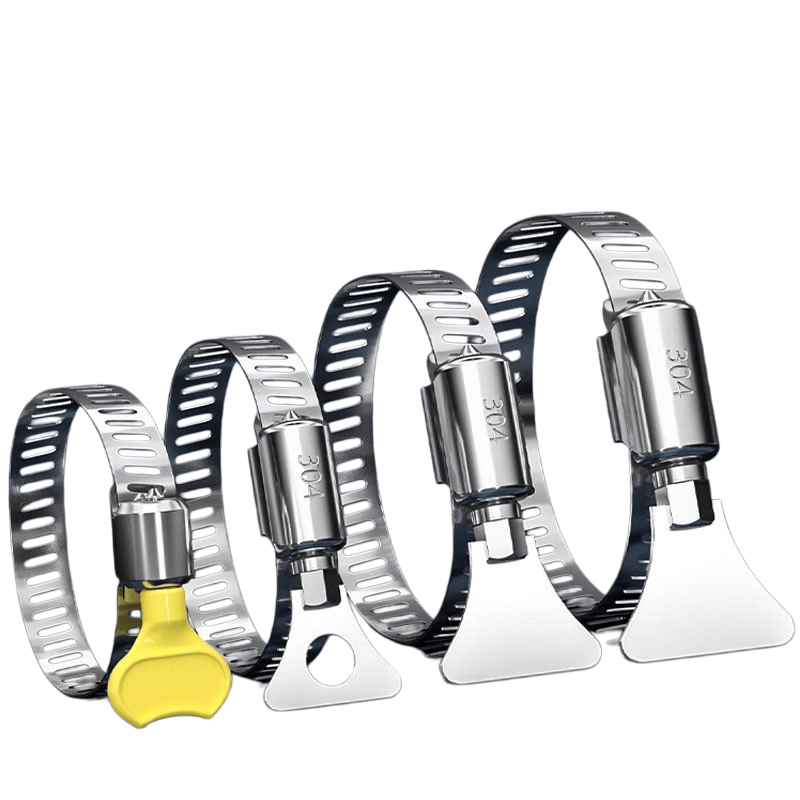
The molybdenum in SS316 enhances the stability of the passive oxide layer, particularly in the presence of chlorides. This makes SS316 the preferred choice for coastal construction, swimming pool facilities, marine structures, and any application where exposure to salt or aggressive chemicals is expected. SS316 fasteners can withstand environments that would cause pitting corrosion in SS304 within a few years.
SS316 fasteners are available in strength grades A4-70 (700 MPa) and A4-80 (800 MPa). The mechanical properties are comparable to SS304 at equivalent strength grades, making direct substitution straightforward from a structural standpoint. The primary consideration is the approximately 20-30% cost premium for SS316 compared to SS304.
Beyond the standard SS316 composition, grade 316L (low carbon) is available for applications requiring welding. The reduced carbon content minimizes sensitization and intergranular corrosion in the heat-affected zone of welds. For construction applications involving welded connections, 316L fasteners ensure consistent corrosion resistance throughout the joint.
| Property | SS304 (A2) | SS316 (A4) |
|---|---|---|
| Chromium Content | 18-20% | 16-18% |
| Nickel Content | 8-10.5% | 10-14% |
| Molybdenum Content | 0% | 2-3% |
| Corrosion Resistance | Very Good | Excellent |
| Chloride Resistance | Moderate | Superior |
| Strength Grade | A2-50, A2-70, A2-80 | A4-70, A4-80 |
| Relative Cost | Lower | Higher (+20-30%) |
Material Selection Principle: SS304 provides excellent performance in most outdoor construction environments at lower cost. SS316 is justified when exposure to chlorides (coastal, de-icing salts, industrial) is expected. The additional cost of SS316 is small compared to the potential costs of premature failure and replacement in aggressive environments.
Recommended Applications in Construction
The choice between SS304 and SS316 fasteners depends on the specific application, environmental exposure, and required service life. The following recommendations guide material selection for common outdoor construction applications.
Building Facades
Building facade systems including curtain walls, cladding supports, and architectural features require fasteners that maintain appearance and structural integrity with minimal maintenance. Facade fasteners are exposed to weather, temperature cycling, and potentially atmospheric pollutants.
For facades in inland urban or suburban environments, SS304 fasteners provide excellent service life exceeding 50 years. The atmospheric corrosion resistance of SS304 is more than adequate for these environments, and the lower cost makes it the economical choice. Many iconic buildings worldwide utilize SS304 fasteners in their facade systems with proven long-term performance.
For coastal buildings within 5-10 kilometers of the ocean, or buildings in areas with heavy de-icing salt use, SS316 is strongly recommended. Salt spray and chloride-laden moisture can cause pitting corrosion of SS304 in these environments, leading to unsightly staining and potential structural concerns. The additional cost of SS316 is minimal compared to the cost of facade maintenance or premature fastener replacement.
Steel Structures
Structural steel connections in outdoor environments require fasteners with high strength, reliable corrosion resistance, and predictable performance over decades of service. Both SS304 and SS316 are used for structural connections, with selection based on environmental severity and design life requirements.
SS304 structural fasteners in grades A2-70 and A2-80 are widely used for general structural connections in non-coastal environments. These fasteners provide the strength required for structural loads while offering maintenance-free corrosion resistance. Proper specification of strength grade ensures structural adequacy while the stainless steel composition provides durability.
SS316 structural fasteners are specified for marine structures, bridges in coastal areas, and industrial structures exposed to aggressive atmospheres. The enhanced chloride resistance of SS316 ensures reliable performance in these demanding applications. For critical structural connections where failure would have severe consequences, SS316 provides additional confidence and safety margin.
Roof Supports and Mounting Systems
Roof-mounted equipment including HVAC units, solar panels, antennas, and architectural features requires secure attachment that withstands wind uplift, thermal cycling, and exposure to the elements. Roof fasteners are particularly challenging because they are exposed to standing water, temperature extremes, and potentially corrosive roof runoff.
For standard roof supports in moderate climates, SS304 fasteners provide reliable performance. The combination of strength and corrosion resistance makes SS304 suitable for attaching equipment to roof structures without concerns about rust staining or fastener degradation. Proper detailing to avoid standing water around fasteners further extends service life.
For solar panel mounting systems, both SS304 and SS316 are widely used depending on the environment. Solar installations are designed for 25+ year service life, making material selection particularly important. Inland solar farms typically use SS304 for cost-effectiveness, while coastal installations specify SS316 to ensure reliable performance in salt spray environments. The fasteners must also accommodate thermal expansion differentials between dissimilar materials.
| Application | Environment | Recommended Grade | Rationale |
|---|---|---|---|
| Building Facades | Inland urban | SS304 (A2-70) | Cost-effective, adequate corrosion resistance |
| Building Facades | Coastal / High salt | SS316 (A4-70) | Superior chloride resistance |
| Steel Structures | General outdoor | SS304 (A2-70/80) | Proven performance, economical |
| Steel Structures | Marine / Industrial | SS316 (A4-70/80) | Enhanced corrosion protection |
| Roof Supports | Moderate climate | SS304 (A2-70) | Reliable, cost-effective |
| Solar Mounting | Coastal | SS316 (A4-70) | 25+ year service life requirement |
How to Choose the Right Material
Selecting between SS304 and SS316 fasteners requires evaluation of environmental exposure, service life requirements, code compliance, and cost considerations. The following framework guides this decision process for construction applications.
Environmental Assessment
Begin by characterizing the service environment where the fasteners will operate. Key factors include proximity to salt water, exposure to de-icing salts, industrial pollution levels, and humidity. Coastal environments within 5 kilometers of the ocean generally warrant SS316 due to salt spray exposure. Inland environments with moderate pollution levels are well served by SS304.
Consider microclimates that may create more aggressive conditions than the general environment. Building facades in sheltered areas may experience longer moisture retention, increasing corrosion risk. Roof areas with standing water or debris accumulation may create localized aggressive conditions. When in doubt, upgrading to SS316 provides additional safety margin.
Service Life Requirements
The designed service life of the building influences material selection. For buildings with 50+ year design life, SS316 may be justified even in moderate environments to ensure fasteners last the building lifetime without replacement. For structures with shorter design lives or where fastener replacement is feasible, SS304 provides adequate performance at lower cost.
Consider accessibility for future maintenance and replacement. Fasteners in accessible locations can be inspected and replaced if needed, while those in concealed or difficult-to-access locations should be specified for the full building service life. The cost of accessing and replacing fasteners in high-rise facades or complex roof systems often justifies premium materials.
Code and Specification Requirements
Building codes and project specifications may dictate minimum material requirements for certain applications. Structural connections may require specific strength grades and materials to comply with building codes. Architectural specifications may mandate SS316 for all exterior stainless steel to ensure consistent appearance and performance.
Review project specifications early in the design process to identify material requirements. When specifications allow either SS304 or SS316, document the basis for material selection to support value engineering decisions. Maintain records of material certifications to demonstrate compliance with specified requirements.
Cost-Benefit Analysis
The cost difference between SS304 and SS316 is typically 20-30% for the fasteners themselves. However, this represents a small fraction of total construction cost. When evaluated on a lifecycle cost basis including maintenance and potential replacement, SS316 often proves economical for aggressive environments.
Consider the consequences of fastener failure. In critical structural applications or where failure would cause significant damage or safety hazards, the additional cost of SS316 provides cheap insurance. For non-critical applications with easy access for replacement, SS304 may provide adequate performance at lower initial cost.
Decision Framework: Start with SS304 as the baseline for outdoor construction applications. Upgrade to SS316 when: (1) Within 5km of salt water; (2) Heavy de-icing salt exposure expected; (3) Industrial pollution with chlorides present; (4) 50+ year service life required; (5) Inaccessible for future replacement; (6) Critical structural connections where failure would be catastrophic.
Conclusion: Selecting the Right Stainless Steel Fasteners for Your Construction Project
Both SS304 fasteners and SS316 fasteners provide excellent performance for outdoor construction applications. The key is matching the material to the specific environmental exposure and service life requirements of each application.
SS304 remains the workhorse stainless steel for outdoor construction, providing decades of reliable service in most atmospheric environments at economical cost. For the majority of inland construction projects, SS304 offers the optimal balance of performance and value. Its proven track record in buildings worldwide demonstrates its suitability for facades, steel structures, and roof supports in non-coastal environments.
SS316 justifies its cost premium in aggressive environments where chlorides threaten the long-term integrity of SS304. Coastal construction, structures exposed to de-icing salts, and industrial facilities with corrosive atmospheres benefit from the superior chloride resistance of SS316. When specified appropriately, SS316 fasteners provide maintenance-free performance matching the design life of the building.
At Youjia Metals, we manufacture both SS304 and SS316 construction fasteners to international standards. Our engineering team provides material selection consultation to help you specify the optimal stainless steel bolts for your specific project requirements. With comprehensive quality certification and global supply capability, we support construction projects of any scale.
Contact us today to discuss your outdoor construction fastener requirements and receive expert guidance on material selection, specification development, and competitive quotations for your project.
Frequently Asked Questions
Map Outdoor Exposure Before Choosing SS304 or SS316
Describe the real installation zone: sheltered exterior, direct rain, coastal air, splash, road salt, industrial fallout, cleaning chemicals or another exposure. “Outdoor” is too broad to choose a grade. Crevices, horizontal surfaces and trapped moisture can create more severe local conditions than an open, washed surface at the same site.
Record distance from chloride sources only as supporting context, not as a universal selection rule. Temperature, wet-dry cycling, deposits, drainage and maintenance influence corrosion behavior. SS316 is often reviewed for more severe chloride exposure, but it is not corrosion-proof.
Review the Complete Fastened Joint
The bolt, nut, washer, bracket and base material should be reviewed together. Mixing grades or combining stainless with aluminum, carbon steel or coated steel can create galvanic and coating-interface considerations. Ensure that washers, inserted hardware and replacement parts follow the approved material plan.
Design out water traps where possible and provide drainage. Avoid contamination from carbon-steel tools or storage. If appearance matters, identify visible surfaces and an acceptable cleaning method.
Specify Mechanical Properties Separately from Alloy
304 and 316 describe alloy families; they do not by themselves define a fastener property class. State the applicable product standard, property designation, thread, dimensions and any project-specific requirement. Match nuts and bolts according to the approved joint design.
Installation torque must come from a validated assembly process that considers friction, lubrication, coating, reuse and thread condition. Stainless threaded pairs may gall, so assembly controls should be reviewed rather than simply increasing torque.
Outdoor Fastener Inspection and Maintenance
Define inspection access and maintenance before installation. Look for deposits, staining, crevice attack, loose joints and damage to adjacent coatings. Cleaning methods should not introduce chloride contamination or scratch critical surfaces. Any replacement should preserve the approved grade and property requirement.
For the RFQ, provide the drawing, exposure description, alloy, property class, finish, quantities, documentation and packaging. For a field issue, record location, lot, joint materials, installation and maintenance history so the cause can be evaluated using evidence.
Create an Outdoor Fastener Selection Record
Document the selected grade, property designation, joint materials, exposure zone, drainage, cleaning and maintenance assumptions. This record helps purchasing order the same approved fastener and gives maintenance teams a reference when replacements are needed.
If the project contains several exposure zones, one material decision may not fit every location. Define the zones on the assembly drawing and control substitutions. Avoid mixing visually similar 304 and 316 parts during storage or installation by using clear packaging and part identification.
After installation, investigate corrosion with evidence. Record the location, deposits, crevices, adjacent metals, fastener lot and maintenance history. Surface staining, galvanic attack and crevice corrosion require different corrective actions, so replacement by a different grade should follow engineering review.
When to Pause an Outdoor Fastener Order
Request clarification when the exposure zone, property class, mating material or coating system is undefined. Also pause if the project drawing and bill of materials use conflicting grade designations. Resolve the governing requirement before the supplier purchases material.
For replacement work, verify whether the existing part failed from grade selection, contamination, joint geometry, installation or maintenance. Changing from 304 to 316 may not correct a crevice, drainage or galvanic problem. Use evidence from the full assembly.