
Comprehensive guide to precision-engineered fasteners for automotive manufacturing. Learn about quality standards, material selection, and the critical role fasteners play in vehicle safety and performance.
Explore Quality StandardsIntroduction – OEM Automotive Parts Safety Requirements
The automotive industry operates under some of the most stringent quality and safety requirements in manufacturing. Every component, from engine blocks to interior trim, must meet exacting specifications that ensure vehicle safety, reliability, and performance over years of demanding service. Among these components, automotive fasteners play a uniquely critical role – they are the invisible heroes that hold vehicles together, transferring loads, maintaining alignment, and ensuring that critical systems function as designed.
OEM (Original Equipment Manufacturer) fasteners differ fundamentally from aftermarket or generic hardware. These precision-engineered components are designed for specific vehicle applications, manufactured to exact dimensional tolerances, and subjected to rigorous validation testing before ever being approved for production. A single vehicle may contain thousands of fasteners, each one specified for its particular application based on load requirements, environmental exposure, assembly sequence, and service considerations.
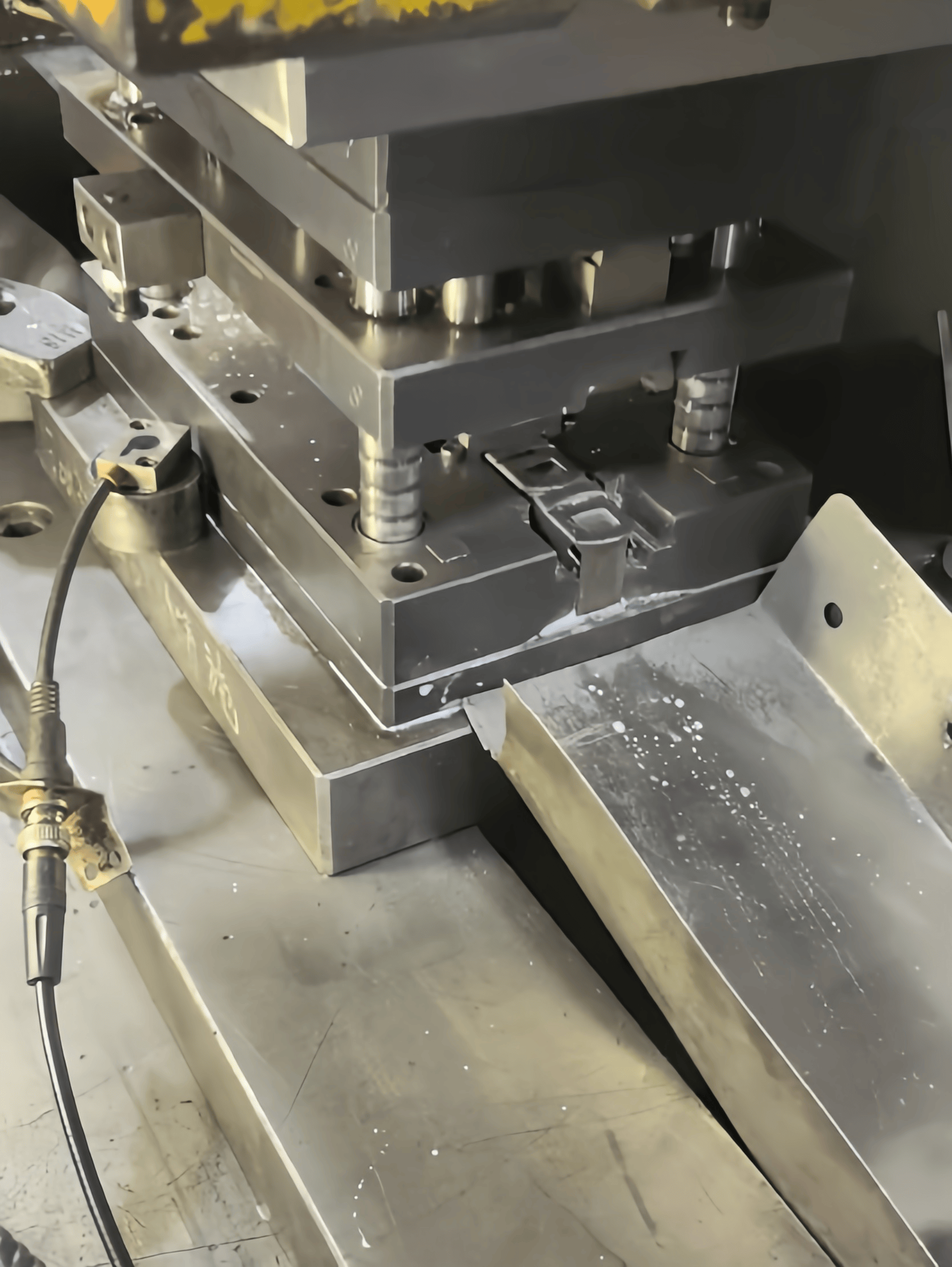
The consequences of fastener failure in automotive applications can be catastrophic. Wheel bolts that loosen can cause wheel separation at highway speeds. Suspension fasteners that fail can result in loss of vehicle control. Engine mounting bolts that break can cause drivetrain damage and potential accidents. These risks drive the industry’s relentless focus on fastener quality, from material selection through manufacturing processes to final inspection and testing.
Modern automotive manufacturing further complicates fastener requirements through increased automation, lighter vehicle weights, and extended warranty expectations. Automated assembly lines demand fasteners with consistent dimensions that feed reliably through installation equipment. Lightweighting initiatives require fasteners that maintain strength while reducing mass. Extended warranties mean fasteners must perform reliably for 100,000 miles or more under conditions ranging from Arctic cold to desert heat, from salt-covered winter roads to humid coastal environments.
Importance of Precision Fasteners
Precision in precision fasteners extends far beyond basic dimensional accuracy. True precision encompasses thread geometry, head configuration, surface finish, material consistency, and mechanical properties – all within tight tolerances that enable reliable, repeatable performance across millions of vehicles and billions of miles of service.
Dimensional Precision and Automated Assembly
Modern automotive assembly lines operate at high speeds with minimal human intervention. Robotic systems install fasteners at rates measured in seconds per vehicle, with positioning accuracy measured in millimeters. This automation demands fasteners with exceptional dimensional consistency – variations that would be imperceptible to human assembly workers can cause robotic systems to jam, misfeed, or incorrectly position fasteners.
Thread pitch consistency affects both assembly speed and joint integrity. Automated threading systems rely on consistent thread starts and pitch to engage quickly without cross-threading. Variations in thread geometry can cause assembly delays, tool damage, or improperly seated fasteners that fail prematurely in service. Thread rolling processes must maintain pitch accuracy within microns to meet automotive requirements.
Head dimensions determine tool engagement and drive transfer. Hex drive fasteners require consistent across-flats dimensions that match tool sockets precisely. Too loose, and the tool strips the fastener head. Too tight, and the tool won’t engage. Torx and other specialized drive configurations demand even greater precision in drive geometry to achieve the torque capacity and tool life that automotive assembly requires.
- Thread pitch accuracy based on the drawing and automated assembly requirements
- Head dimension tolerance based on tool engagement and drawing requirements
- Length tolerance based on joint design and clamp-load requirements
- Surface finish requirements confirmed for the selected coating system
- Head-to-thread concentricity confirmed from the drawing and assembly method
Torque-Tension Relationship and Joint Design
The fundamental challenge in bolted joint design is converting applied torque into clamp load – the force that holds components together. This torque-tension relationship depends on friction coefficients between the fastener and mating surfaces, thread geometry, and material properties. Precision fasteners with consistent surface finish and thread form enable predictable torque-tension behavior that engineers can design around.
Automotive engineers specify torque values that achieve target clamp loads with appropriate safety margins. If friction coefficients vary due to inconsistent surface finish or coating thickness, the resulting clamp load will vary as well. Too little clamp load risks joint separation under service loads. Too much clamp load can yield the fastener or damage assembled components. Precision manufacturing ensures that specified torque produces the intended clamp load consistently.
Prevailing torque features – nylon patches, deformed threads, or adhesive coatings – provide resistance to loosening under vibration. These features must be applied consistently to provide uniform prevailing torque across production lots. Variations in patch thickness or adhesive coverage cause some fasteners to loosen prematurely while others require excessive installation torque, potentially damaging assembled components.
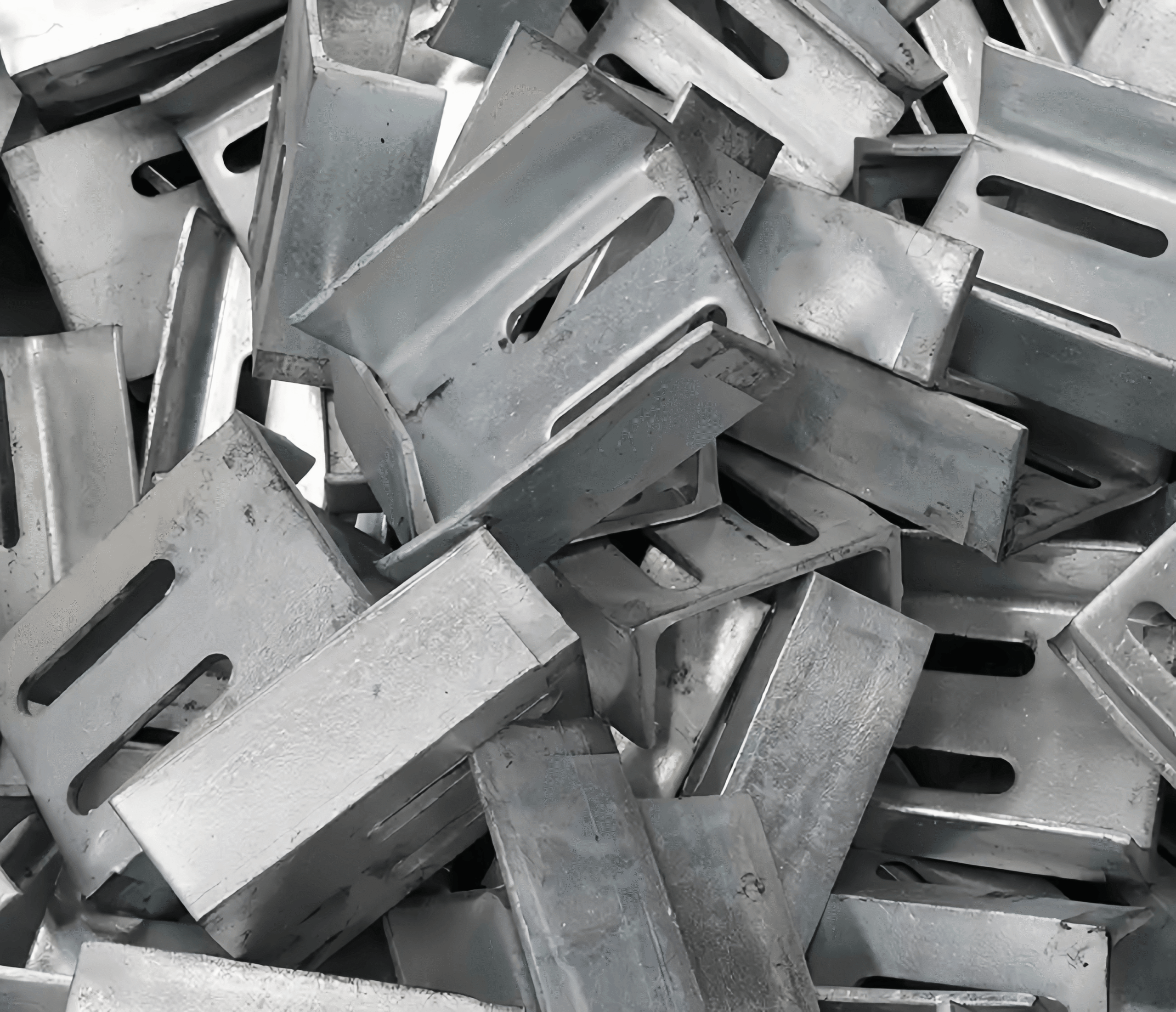
Fatigue Performance and Service Life
Many automotive fasteners operate under dynamic loads that vary continuously during vehicle operation. Suspension fasteners experience loads that fluctuate with every road irregularity. Engine mounting fasteners endure vibration-induced loads throughout their service life. These dynamic conditions create fatigue – the progressive weakening of material under repeated loading – that can cause fastener failure even when static loads are well within the fastener’s rated capacity.
Precision manufacturing processes that produce consistent grain structure, surface finish, and geometry maximize fatigue performance. Thread rolling, which cold-works thread surfaces and creates favorable residual stresses, produces threads with significantly better fatigue life than cut threads. Proper heat treatment creates uniform metallurgical structure throughout the fastener, avoiding weak points that could initiate fatigue cracks.
Surface defects – seams, laps, or inclusions from manufacturing processes – act as stress concentrators that accelerate fatigue crack initiation. Precision fastener manufacturing includes inspection processes that detect and reject fasteners with surface defects. Material control ensures that incoming steel meets cleanliness requirements that minimize inclusions. These quality measures combine to produce fasteners with predictable, reliable fatigue performance.
Materials and Coatings for Automotive Fasteners
Material selection for OEM fasteners balances strength requirements, corrosion resistance, cost, and manufacturability. Automotive applications span a wide range of environments – from protected interior locations to harsh underhood and underbody exposures – requiring different material and coating solutions for each application category.
Carbon Steel Fasteners
Carbon steel remains the most common material for automotive fasteners, offering excellent strength-to-cost ratio and well-understood manufacturing processes. Property classes 8.8, 10.9, and 12.9 provide increasing strength levels for applications requiring higher load capacity. These designations, defined in ISO 898-1, specify minimum tensile strength, yield strength, and hardness requirements.
Grade 8.8 fasteners, with minimum tensile strength of 800 MPa, suit general automotive applications including interior trim, non-critical chassis components, and body structure connections. Grade 10.9 fasteners (1000 MPa minimum tensile) serve more demanding applications including suspension components, steering systems, and engine accessories. Grade 12.9 fasteners (1200 MPa minimum tensile) are reserved for the most critical applications where maximum strength is required in limited space.
Carbon steel fasteners require protective coatings for corrosion resistance. Zinc plating with chromate conversion coating provides economical protection for interior and protected exterior applications. Zinc-nickel alloy plating offers enhanced corrosion resistance for underhood and underbody applications where exposure to moisture, salt, and chemicals is more severe. Phosphate coatings with oil or wax sealers provide temporary corrosion protection and lubrication for assembly.
| Property | Carbon Steel 10.9 | SS304 | SS316 |
|---|---|---|---|
| Tensile Strength | 1040 MPa | 700 MPa | 700 MPa |
| Yield Strength | 940 MPa | 450 MPa | 450 MPa |
| Corrosion Resistance | Requires Coating | Excellent | Superior |
| Cost | Low | Moderate | High |
| Best Application | Structural, interior | Exterior, underhood | Coastal, chemical |
Stainless Steel Fasteners (SS304 and SS316)
Stainless steel fasteners provide inherent corrosion resistance without relying on protective coatings that can be damaged during installation or service. This makes them ideal for applications where coating damage is likely – exposed exterior fasteners, underhood applications with chemical exposure, and locations where appearance matters.
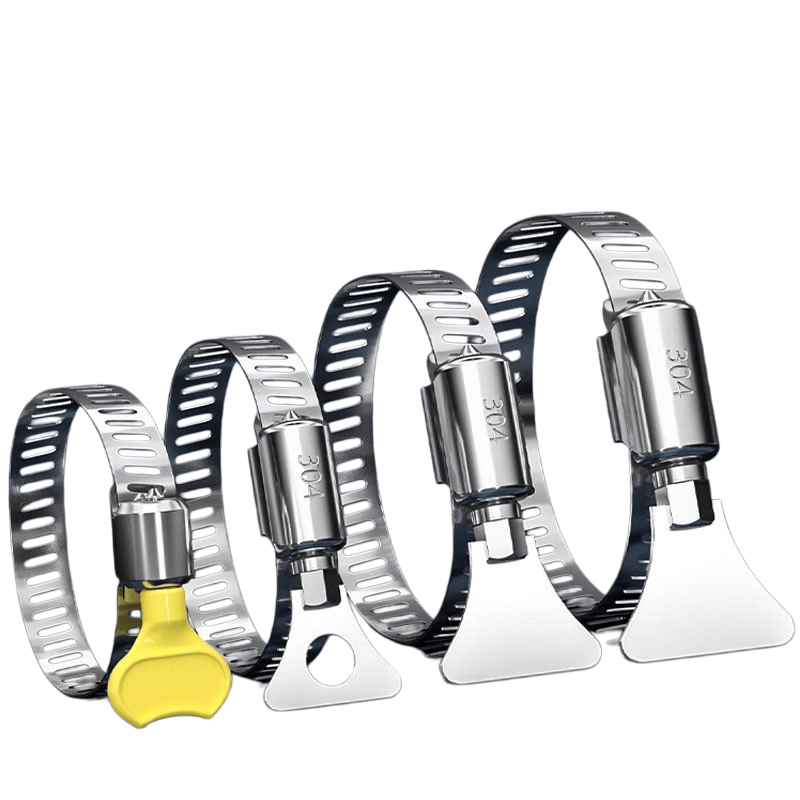
SS304 austenitic stainless steel offers excellent corrosion resistance in most automotive environments. The 18% chromium and 8% nickel composition forms a passive oxide layer that protects the underlying metal from rust and staining. SS304 fasteners are commonly used for exterior trim attachments, exhaust system hangers, and underhood applications where corrosion resistance is required but extreme chloride exposure is not expected.
SS316 adds 2-3% molybdenum to the SS304 composition, dramatically improving resistance to chlorides and other aggressive species. This grade is specified for vehicles operating in coastal areas, regions with heavy road salt use, or applications involving exposure to deicing chemicals. The molybdenum addition also improves resistance to pitting corrosion in crevices where moisture can accumulate.
Stainless steel fasteners for automotive applications are manufactured to ASTM F593 specifications, which define mechanical property classes comparable to carbon steel grades. Class A1-70 and A1-80 provide strength levels suitable for many automotive applications, though designers must account for stainless steel’s lower strength compared to high-grade carbon steel fasteners.
Specialty Materials and Advanced Coatings
Some automotive applications demand materials beyond standard carbon and stainless steels. Alloy steels with chromium, molybdenum, and vanadium additions provide enhanced fatigue resistance for suspension and steering components that experience millions of load cycles during vehicle life. These materials require precise heat treatment to develop optimal properties while avoiding hydrogen embrittlement that can cause delayed failure.
Aluminum fasteners serve lightweighting initiatives in non-critical applications where reduced mass justifies the material cost. Aluminum’s lower strength limits use to low-load applications, but the weight savings can be significant in high-volume applications. Aluminum fasteners require careful attention to galvanic compatibility when used with steel components.
Advanced coating systems extend beyond simple zinc plating. Zinc-nickel alloy coatings (12-16% nickel) provide 2-3 times the corrosion resistance of pure zinc with comparable thickness. Zinc-flake coatings offer exceptional corrosion resistance and lubricity for threaded fasteners. Phosphate coatings with proprietary sealers provide corrosion resistance combined with controlled friction coefficients for consistent torque-tension performance.
Quality Control Standards – ISO and IATF 16949
Automotive fastener manufacturing operates within a comprehensive quality framework that extends far beyond simple inspection and testing. Industry-specific standards define quality management systems, process control requirements, and documentation protocols that ensure consistent quality across millions of parts and years of production.
IATF 16949 Quality Management System
IATF 16949 is the automotive industry’s specific quality management system standard, building on ISO 9001 with additional requirements tailored to automotive manufacturing. Fastener suppliers to OEMs must maintain IATF 16949 certification, demonstrating compliance through regular third-party audits and continuous improvement activities.
The standard emphasizes defect prevention rather than detection, requiring process controls that produce quality parts rather than inspection processes that sort good from bad. Statistical process control (SPC) monitors key characteristics during production, detecting process shifts before they produce out-of-specification parts. Process capability studies demonstrate that processes consistently produce parts within specification limits with adequate margin.
Traceability requirements ensure that any quality issue can be traced to its source and affected parts identified. Heat numbers track material from steel mill through heat treatment to finished fastener. Production records document process parameters, inspection results, and any deviations from standard procedures. This traceability enables effective containment actions when issues are discovered and supports root cause analysis for permanent corrective actions.
- Statistical Process Control (SPC) on critical dimensions
- Process capability targets for key characteristics as specified by the customer
- Material traceability scope defined in the control plan and purchase requirements
- Production Part Approval Process (PPAP) documentation
- Failure Mode and Effects Analysis (FMEA) for all processes
PPAP and Part Approval Process
The Production Part Approval Process (PPAP) defines the documentation and testing required to approve production parts for automotive use. This formal process ensures that supplier production processes can consistently produce parts meeting all requirements at quoted production rates. PPAP Level 3, the most common submission level, requires comprehensive documentation including process flow diagrams, control plans, and measurement system analysis.
Initial sample inspection (ISIR) documents actual measurement results for all significant characteristics on sample parts from production tooling. These results must demonstrate that all characteristics meet specification requirements and that process capability meets minimum Cpk requirements. Any characteristic with Cpk below 1.33 requires documented corrective action before production approval.
Material test reports certify that fastener materials meet specified compositions and mechanical properties. ISO 898-1 defines mechanical property requirements for carbon steel fasteners, including tensile strength, yield strength, elongation, and hardness. Material certificates from steel suppliers, combined with in-house testing after heat treatment, verify that finished fasteners meet all requirements.
Testing and Validation Requirements
Automotive fasteners undergo extensive testing beyond basic dimensional and mechanical property verification. Design Validation (DV) testing confirms that fastener designs meet application requirements under realistic service conditions. Production Validation (PV) testing verifies that production processes produce parts meeting all requirements consistently.
Fatigue testing subjects fasteners to millions of load cycles at stress levels representative of service conditions. Results establish fatigue life curves that engineers use to predict service life and set inspection intervals. Environmental testing including salt spray, cyclic corrosion, and humidity exposure evaluates coating performance under accelerated conditions that simulate years of service.
Torque-tension testing validates the relationship between applied installation torque and resulting clamp load. This testing uses actual production fasteners with production coatings, installed into fixtures representing production joints. Results confirm that specified installation torque produces target clamp load with acceptable variation across the expected range of friction conditions.
Special Characteristics and Critical Fasteners
Automotive OEMs classify fastener characteristics by their impact on safety, function, and regulatory compliance. Special characteristics – those affecting vehicle safety or regulatory compliance – require enhanced process controls, 100% inspection or error-proofing, and documented evidence of conformance for every part produced.
Wheel fasteners are among the most critical automotive fasteners, with failure potentially resulting in wheel separation and loss of vehicle control. These fasteners require special process controls including documented torque verification, thread form inspection, and hardness testing. Many OEMs require 100% inspection of critical wheel fastener characteristics rather than statistical sampling.
Steering and suspension fasteners similarly affect vehicle safety, with failure potentially causing loss of steering control or suspension collapse. These fasteners typically require property class 10.9 or higher, with additional testing including impact testing, fatigue validation, and hydrogen embrittlement testing for electroplated fasteners. Process controls ensure consistent heat treatment and surface condition across production lots.
Frequently Asked Questions
Custom Automotive Parts
Need specialized fasteners for your automotive application? Our custom automotive parts manufacturing delivers precision-engineered solutions with full PPAP documentation.
Request QuotePrecision Metal Stamping
Explore our precision metal stamping capabilities for automotive components requiring tight tolerances and high-volume production.
Learn MoreIATF 16949 and Supplier Qualification
Automotive programs may require IATF 16949-qualified suppliers, defined material traceability and PPAP documentation. Confirm the applicable certification, submission level and traceability scope before placing an order.
View CertificationsEngineering Support
Our automotive engineering team provides fastener selection assistance, joint design support, and validation testing coordination for your projects.
Contact EngineersIndustrial Fastener Range
Review stainless steel, coated and custom fastener options for automotive and industrial assemblies.
View Fasteners →Automotive Fastener RFQ
Send drawings, material requirements, annual volume and applicable approval documents for an engineering review.
Send Requirements →Conclusion – Partnering for Automotive Excellence
Automotive OEM fasteners represent far more than simple hardware – they are precision-engineered components that play critical roles in vehicle safety, performance, and reliability. From the thousands of fasteners holding a vehicle together to the critical wheel and suspension bolts that protect occupants, every fastener must meet exacting standards for dimensional accuracy, mechanical properties, and corrosion resistance.
The automotive industry’s quality requirements – IATF 16949, PPAP, statistical process control, and comprehensive validation testing – reflect the critical importance of fastener performance. These standards ensure that every fastener installed on a production vehicle will perform reliably throughout the vehicle’s service life, under conditions ranging from daily commuting to emergency maneuvers.
Material selection balances competing requirements for strength, corrosion resistance, and cost. Carbon steel fasteners with advanced coatings serve most applications economically. Stainless steel fasteners provide inherent corrosion resistance for demanding environments. Specialty materials address unique requirements for fatigue resistance or high-temperature performance. Understanding these trade-offs enables optimal fastener specification for each application.
As a leading manufacturer of custom automotive parts and precision metal stamping components, Youjia Metals brings the expertise, quality systems, and manufacturing capabilities that automotive OEMs demand. Our IATF 16949 certified facilities, comprehensive PPAP documentation, and advanced testing capabilities ensure that every fastener meets automotive requirements for safety and reliability.
Contact our automotive engineering team to discuss your fastener requirements. Whether you need standard OEM fasteners or custom-engineered solutions for unique applications, we provide the quality, traceability, and technical support that automotive manufacturing demands.