
Comprehensive guide to preventing bolt corrosion through proper material selection, surface treatments, and maintenance practices. Protect your industrial equipment investment with corrosion resistant fasteners.
Explore SolutionsIntroduction – The Challenge of Bolt Corrosion
Bolt corrosion represents one of the most persistent and costly maintenance challenges in industrial equipment operations. From offshore oil platforms to food processing facilities, from chemical plants to power generation stations, corroded fasteners can lead to equipment failure, unplanned downtime, safety hazards, and expensive repairs. Understanding the causes of bolt corrosion and implementing effective prevention strategies is essential for maintaining reliable industrial operations.
Corrosion is an electrochemical process that occurs when metal reacts with its environment. For industrial bolts, this typically involves the oxidation of iron in steel, resulting in rust formation that progressively weakens the fastener. However, corrosion takes many forms beyond simple rust, including galvanic corrosion between dissimilar metals, crevice corrosion in confined spaces, pitting corrosion that creates localized weak points, and stress corrosion cracking that can cause catastrophic failure under tensile loads.
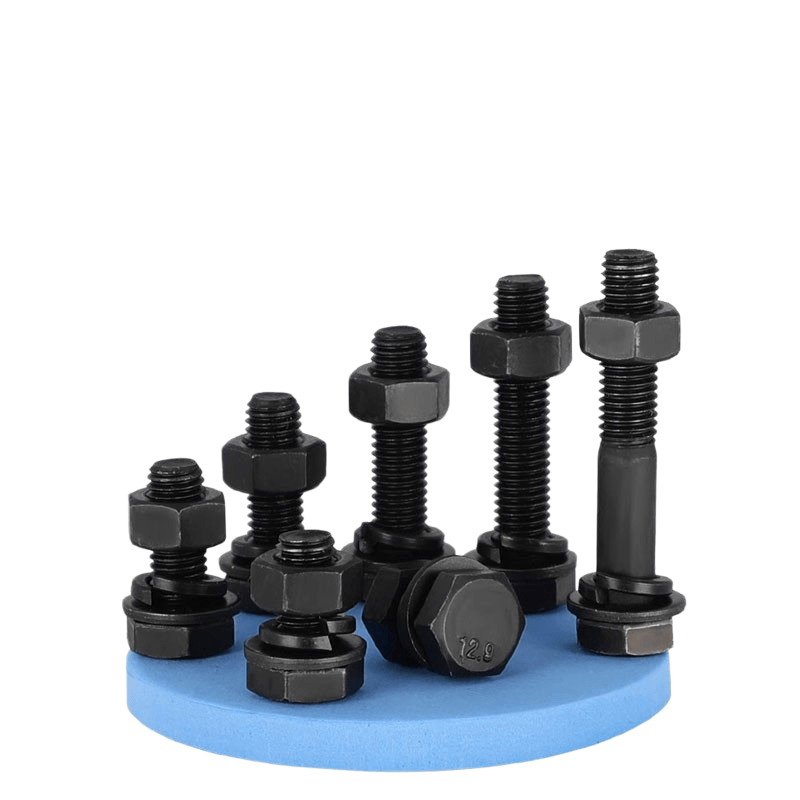
The economic impact of bolt corrosion extends far beyond the cost of replacement fasteners. Equipment downtime for fastener replacement interrupts production schedules and reduces capacity. Emergency repairs often require overtime labor and expedited shipping for replacement parts. In severe cases, corroded fasteners can cause equipment damage that requires extensive rebuilds or complete replacement. Safety incidents resulting from fastener failure can lead to injuries, environmental releases, and regulatory penalties.
Environmental factors dramatically accelerate corrosion rates. High humidity provides the moisture necessary for electrochemical reactions. Temperature fluctuations cause condensation that wets fastener surfaces. Salt exposure from marine environments or deicing chemicals provides conductive electrolytes that accelerate corrosion. Industrial pollutants including sulfur dioxide and acid vapors create aggressive chemical environments. Understanding these factors enables targeted prevention strategies that address specific operating conditions.
Material Selection for Corrosion Resistance
The foundation of bolt corrosion prevention lies in selecting appropriate materials for the operating environment. While carbon steel dominates general industrial applications due to its strength and cost-effectiveness, many environments demand corrosion resistant fasteners made from stainless steel, brass, or specialty alloys that provide inherent protection against environmental degradation.
SS304 Stainless Steel Fasteners
SS304 austenitic stainless steel is the workhorse material for corrosion resistant fasteners in industrial applications. The alloy’s 18% chromium content forms a passive oxide layer that protects the underlying metal from atmospheric corrosion. This self-healing layer reforms immediately if scratched or damaged, providing continuous protection throughout the fastener’s service life.
SS304 fasteners excel in moderately corrosive environments including indoor industrial facilities, clean outdoor exposures, and applications involving fresh water contact. The material resists rust staining and maintains an attractive appearance even after years of service. Non-magnetic properties make SS304 suitable for applications where magnetic interference must be avoided, such as near sensitive electronic equipment or in MRI facilities.
Mechanical properties of SS304 fasteners are well-established through ASTM F593 specifications. While not as strong as high-grade carbon steel, SS304 provides adequate strength for most industrial bolting applications with the added benefit of corrosion resistance. The material’s excellent ductility and toughness make it resistant to impact damage and fatigue failure.
Limitations of SS304 include susceptibility to chloride-induced pitting and crevice corrosion. In marine environments, chemical processing facilities with chloride exposure, or applications involving salt water, SS304 may suffer localized corrosion that penetrates the passive layer. For these demanding applications, upgraded materials like SS316 provide superior performance.
SS316 Stainless Steel Fasteners
SS316 stainless steel adds 2-3% molybdenum to the SS304 composition, dramatically improving resistance to chlorides and other aggressive species. This makes SS316 the material of choice for marine environments, coastal industrial facilities, chemical processing plants, and any application where salt exposure or harsh chemicals are present.
The molybdenum addition enhances the stability of the passive oxide layer, particularly in the presence of chlorides that would pit SS304. This improved pitting resistance extends service life in aggressive environments and reduces maintenance requirements. SS316 fasteners maintain their appearance and structural integrity even after years of exposure to salt spray, pool chemicals, or industrial process fluids.
Cost considerations favor SS316 only where the improved corrosion resistance is necessary. The material commands a significant price premium over SS304, often 50-100% more expensive. For applications without chloride exposure, this additional cost provides minimal benefit. However, in aggressive environments, the extended service life and reduced maintenance of SS316 often justify the higher initial investment.
SS316L, the low-carbon variant of SS316, provides additional protection against sensitization during welding or exposure to elevated temperatures. Reduced carbon content minimizes chromium carbide precipitation at grain boundaries, maintaining corrosion resistance in the heat-affected zone. This makes SS316L preferred for applications involving welding or service temperatures above 800°F (425°C).
| Property | SS304 | SS316 | Brass |
|---|---|---|---|
| Corrosion Resistance | Good | Excellent | Good |
| Chloride Resistance | Limited | Excellent | Moderate |
| Strength | 75 ksi | 75 ksi | 45 ksi |
| Magnetic | No | No | No |
| Cost | Moderate | High | Moderate |
| Best For | General industrial | Marine, chemical | Decorative, electrical |
Brass and Bronze Fasteners
Brass fasteners, made from copper-zinc alloys, offer good corrosion resistance combined with attractive appearance and excellent machinability. The material’s natural antimicrobial properties make it suitable for food processing and medical equipment where hygiene is critical. Brass does not rust like steel, though it may develop a patina over time that many find aesthetically pleasing.
Corrosion resistance of brass varies with zinc content. High-zinc brasses (60-70% copper) provide better strength but reduced corrosion resistance compared to low-zinc compositions. In ammonia environments or when contacting high-strength steels under stress, brass can suffer dezincification or stress corrosion cracking. These limitations must be considered when specifying brass fasteners for industrial applications.
Bronze alloys, particularly silicon bronze and aluminum bronze, provide superior strength and corrosion resistance compared to brass. These materials excel in marine applications, offering excellent resistance to seawater corrosion without the pitting susceptibility of stainless steels. Bronze fasteners are commonly used in shipbuilding, offshore platforms, and coastal infrastructure where long service life in saltwater environments is required.
Electrical conductivity makes brass and bronze suitable for grounding and electrical connection applications. The materials provide reliable low-resistance connections that maintain performance over time. However, galvanic compatibility must be considered when using copper alloys with other metals to avoid accelerated corrosion of less noble materials.
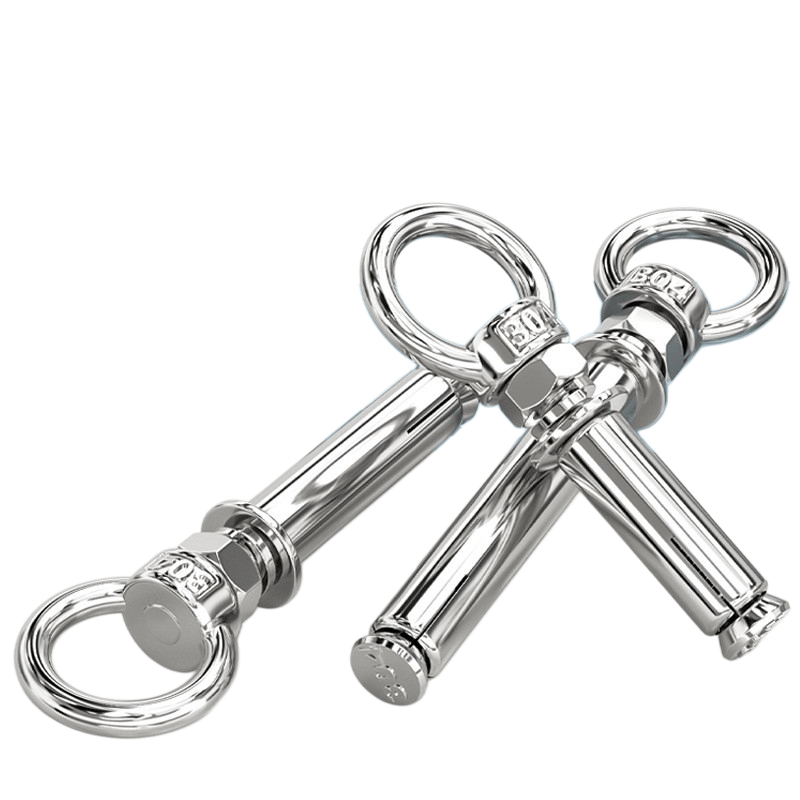
Surface Treatment Options for Industrial Bolts
When corrosion resistant materials are not practical or economical, surface treatment provides an effective alternative for protecting carbon steel fasteners. Modern coating technologies offer protection ranging from basic indoor environments to extreme offshore exposures, allowing engineers to match protection levels to specific application requirements.
Zinc Plating and Galvanizing
Zinc coatings protect steel through sacrificial corrosion, where the zinc corrodes preferentially to protect the underlying steel. Even if the coating is damaged, exposed steel remains protected as long as zinc is present nearby. This cathodic protection mechanism makes zinc coatings highly effective for preventing rust on carbon steel fasteners.
Electroplated zinc provides thin coatings (0.2-1.0 mil) suitable for indoor and protected outdoor applications. The process deposits pure zinc from an electrolyte bath, creating a uniform coating that follows thread contours precisely. Chromate conversion coatings applied after plating enhance corrosion resistance and provide characteristic yellow, blue, or black appearances. Clear chromates meet RoHS requirements for environmentally sensitive applications.
Hot-dip galvanizing produces much thicker coatings (3-5 mils) by immersing fasteners in molten zinc. This metallurgical bonding creates durable protection suitable for outdoor and high-humidity environments. The thick zinc layer provides decades of service life in atmospheric exposure, though the process requires over-tapped nuts to accommodate coating thickness on threads. Hot-dip galvanized fasteners are the standard for structural steel construction, outdoor equipment, and infrastructure applications.
Mechanical galvanizing offers a room-temperature alternative that deposits zinc through tumbling with glass beads. This process avoids the high temperatures of hot-dip galvanizing that can affect heat-treated fasteners. The resulting coating provides protection comparable to hot-dip galvanizing with better thread fit and no risk of hydrogen embrittlement. Mechanical galvanizing is preferred for high-strength bolts (Grade 10.9 and above) and spring steel fasteners.
Black Oxide Coating
Black oxide, also known as blackening or gun bluing, creates a protective conversion coating on steel through chemical reaction with the base metal. The process produces a black iron oxide (Fe3O4) layer approximately 0.5 microns thick that provides moderate corrosion resistance and an attractive black appearance. Unlike plated coatings, black oxide becomes integral with the base metal and cannot chip or peel.
The primary benefit of black oxide is aesthetic, providing a uniform black finish that reduces light reflection and gives equipment a professional appearance. The coating also provides some corrosion protection by absorbing and holding oil or wax sealers that provide barrier protection. However, black oxide alone offers limited corrosion resistance and is typically used for indoor applications or temporary outdoor exposure.
Post-treatment with oil, wax, or lacquer significantly enhances black oxide corrosion protection. These sealers fill surface pores and provide barrier protection against moisture. The combination of black oxide plus oil provides adequate protection for many indoor industrial applications at very low cost. For enhanced protection, specialized corrosion inhibitors can be added to the post-treatment oil.
Dimensional impact of black oxide is negligible due to the extremely thin coating. Threads and precision surfaces maintain their dimensions, eliminating the need for oversized taps or special fits. This makes black oxide ideal for precision fasteners where tight tolerances must be maintained. The process also improves wear resistance and reduces galling in threaded connections.
Nickel Plating
Nickel plating provides excellent corrosion and wear resistance with an attractive bright or satin appearance. The coating offers good protection in indoor environments and moderate outdoor exposure, though not matching the sacrificial protection of zinc in severe environments. Nickel’s hardness and low coefficient of friction make it ideal for fasteners requiring frequent assembly and disassembly.
Electroless nickel plating deposits a uniform coating without electrical current, providing consistent thickness even on complex geometries and internal surfaces. The autocatalytic process produces coatings with excellent corrosion resistance, typically 0.5-1.0 mil thick. Electroless nickel can be alloyed with phosphorus (5-12%) to further enhance corrosion resistance and hardness. High-phosphorus electroless nickel provides protection approaching stainless steel in many environments.
Engineering applications for nickel plating include chemical processing equipment, food machinery, and marine hardware. The coating’s resistance to alkalis makes it suitable for applications involving caustic cleaning chemicals. Nickel’s non-toxic nature allows use in food contact applications where other coatings might be restricted. Decorative nickel-chrome plating provides mirror-like finishes for visible hardware on premium equipment.
Cost considerations limit nickel plating to applications where its specific properties justify the expense. While more costly than zinc plating, nickel provides superior wear resistance and aesthetic appeal. For high-value equipment where appearance matters, or applications involving frequent disassembly, nickel plating often proves economical over the equipment lifecycle.
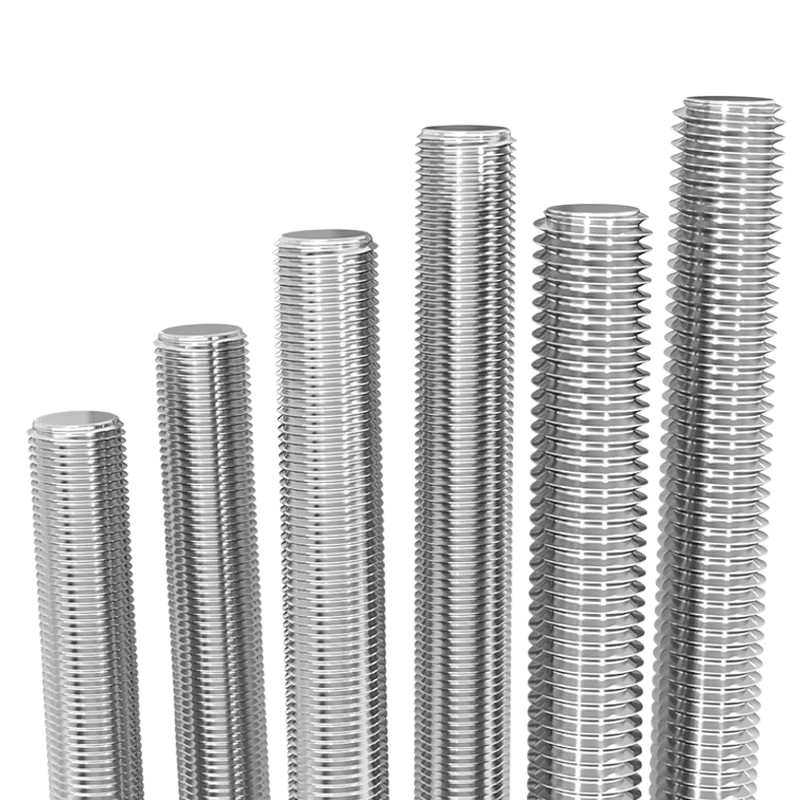
Advanced Coating Systems
Beyond traditional metallic coatings, advanced coating systems provide specialized protection for demanding applications. Zinc-nickel alloy plating (12-16% nickel) offers 2-3 times the corrosion resistance of pure zinc with excellent thermal stability. This coating is increasingly specified for automotive underhood applications and other high-temperature environments where pure zinc would degrade.
Zinc flake coatings, also known as zinc-rich dip-spin coatings, provide exceptional corrosion resistance through multiple layers of zinc and aluminum flakes bonded with inorganic silicates. These coatings can be specified for high salt-spray performance without introducing an electroplating hydrogen-embrittlement step, but the required test standard, duration and acceptance criteria must be confirmed for the project. The coating’s lubricious nature also provides consistent torque-tension characteristics.
PTFE and other fluoropolymer coatings combine corrosion protection with low-friction properties. These coatings reduce installation torque requirements and prevent galling in stainless steel connections. Chemical resistance makes them suitable for applications involving aggressive fluids. The distinctive colored appearance (typically blue, green, or silver) also provides visual identification of coated fasteners.
Duplex coating systems combine multiple protection mechanisms for extreme environments. Common combinations include hot-dip galvanizing plus powder coating, or zinc plating plus organic topcoats. These systems provide sacrificial protection from the zinc layer plus barrier protection from the organic coating, supporting longer service life in marine and chemical environments when the complete coating system is specified and validated for the exposure.
Installation and Maintenance Tips for Corrosion Prevention
Even the best corrosion resistant fasteners can fail if improperly installed or neglected. Proper installation techniques and regular maintenance programs significantly extend fastener service life and prevent unexpected failures. Understanding best practices for installation, inspection, and maintenance helps maximize the return on investment in corrosion protection.
Proper Installation Practices
Installation practices directly impact corrosion resistance. Over-tightening can damage protective coatings, exposing bare metal to corrosion. Under-tightening allows moisture ingress into the joint, promoting crevice corrosion. Using proper torque specifications and calibrated tools ensures consistent clamp load without coating damage.
Galvanic isolation prevents accelerated corrosion when dissimilar metals contact. Install isolation washers between aluminum equipment and steel fasteners, or between coated fasteners and more noble metals. Dielectric grease or pastes interrupt electrical contact while allowing proper torque development. Consider the complete galvanic series when selecting fastener materials for mixed-metal assemblies.
Thread lubricants serve multiple functions in corrosion prevention. Anti-seize compounds prevent galling during installation and facilitate future disassembly. They also exclude moisture from thread interfaces and provide some corrosion inhibition. Select lubricants compatible with the fastener coating and application environment – some standard lubricants can attack specific coatings.
- Use calibrated torque wrenches to achieve proper clamp load
- Install isolation washers for dissimilar metal contact
- Apply compatible anti-seize compound to threads
- Ensure drainage from horizontal surfaces to prevent pooling
- Protect fasteners during welding to avoid coating damage
Environmental Control
Controlling the equipment environment reduces corrosion stress on fasteners. Dehumidification in indoor facilities lowers atmospheric moisture that drives corrosion. Proper ventilation prevents accumulation of corrosive vapors from industrial processes. Temperature control reduces condensation that wets fastener surfaces during thermal cycling.
Protective covers and shields prevent direct exposure to rain, splash, or spray. Even simple drip shields significantly extend fastener life by keeping surfaces dry. Enclosures with desiccant protection provide excellent corrosion prevention for critical equipment in harsh environments. Consider the total cost of protection versus fastener replacement when designing environmental controls.
Cathodic protection systems protect submerged or buried fasteners by making the entire structure a cathode. Sacrificial anodes of zinc or magnesium corrode preferentially, protecting steel fasteners and equipment. Impressed current systems provide similar protection for large structures without anode replacement. These systems are essential for offshore platforms, pipelines, and marine structures.
Inspection and Monitoring
Regular inspection programs identify corrosion issues before they cause failures. Visual inspection detects rust staining, coating damage, and obvious deterioration. Torque verification checks for loosening that may indicate corrosion-induced joint degradation. Ultrasonic testing can detect internal thread corrosion without disassembly.
Inspection frequency depends on environment severity and failure consequences. Critical safety fasteners in corrosive environments may require monthly inspection, while non-critical indoor hardware might be inspected annually. Document inspection results to track corrosion rates and predict replacement needs. Trend analysis helps optimize inspection intervals and maintenance schedules.
Predictive maintenance technologies extend traditional inspection methods. Corrosion sensors monitor environmental conditions that accelerate corrosion. Wireless torque monitors detect loosening in critical joints. Thermography identifies hot spots that may indicate corrosion-induced resistance in electrical connections. These technologies enable condition-based maintenance that reduces costs while improving reliability.
Maintenance and Replacement Strategies
Proactive replacement of fasteners approaching end of life prevents unexpected failures. Establish replacement schedules based on observed corrosion rates and criticality. Replace fasteners during planned maintenance windows rather than waiting for failures. Keep appropriate replacement fasteners in inventory to minimize downtime when replacement is needed.
Proper fastener removal techniques prevent equipment damage. Penetrating oils applied before removal help free corroded fasteners. Heat application can break corrosion bonds, but must be controlled to avoid damaging equipment or coatings. Extraction tools for broken fasteners should be available for difficult removals. Document removal difficulties to inform future fastener specification.
Replacement fasteners should match or exceed original specifications. Do not substitute lower-grade materials to save costs – the false economy leads to premature failure and higher lifecycle costs. Consider upgrading to more corrosion resistant materials if original fasteners failed prematurely. Document specification changes and their rationale for future maintenance reference.
Frequently Asked Questions
Zinc Plated Bolts
Explore our range of zinc plated bolts offering excellent corrosion protection at competitive prices for industrial applications.
View ProductsStainless Steel Fasteners
Our stainless steel fasteners provide superior corrosion resistance for demanding industrial environments.
Browse CatalogCustom Coatings
Need specialized surface treatment? We offer custom coating solutions including zinc-nickel, black oxide, and advanced duplex systems.
Get QuoteTechnical Consultation
Our corrosion specialists help you select the optimal materials and coatings for your specific industrial environment.
Contact ExpertsIndustrial Fastener Range
Compare stainless steel, coated and custom fastener options for industrial assemblies and maintenance projects.
View FastenersSend Your Requirements
Share drawings, material requirements and service conditions so our team can review a suitable fastener and coating approach.
Contact UsConclusion – Protecting Your Industrial Investment
Bolt corrosion in industrial equipment is not inevitable – it can be effectively prevented through informed material selection, appropriate surface treatments, and proper maintenance practices. Understanding the corrosion mechanisms at work in your specific environment enables targeted strategies that provide reliable protection at optimal cost.
Material selection forms the foundation of corrosion prevention. Stainless steel fasteners in SS304 or SS316 grades provide inherent corrosion resistance for demanding environments. For less aggressive conditions, carbon steel fasteners with appropriate coatings offer economical protection. Brass and bronze serve specialized applications where their unique properties provide advantages. Matching material to environment ensures reliable performance without unnecessary expense.
Surface treatments extend the applicability of carbon steel fasteners to environments that would otherwise require expensive materials. Zinc plated bolts provide sacrificial protection for outdoor and humid environments. Black oxide offers aesthetic appeal with moderate protection for indoor equipment. Nickel plating delivers wear and corrosion resistance for high-value applications. Advanced coating systems like zinc-nickel and zinc flake push the boundaries of protection for extreme environments.
Installation and maintenance practices complete the corrosion prevention strategy. Proper torque, galvanic isolation, and environmental control during installation establish conditions for long service life. Regular inspection and proactive replacement prevent unexpected failures. Documentation and continuous improvement refine the approach over time, optimizing both reliability and cost.
Youjia Metals provides comprehensive solutions for corrosion resistant fastening, from standard stainless steel fasteners and zinc plated bolts to custom-engineered coatings and specialty materials. Our technical team assists with material selection, coating specification, and maintenance program development to ensure your industrial equipment achieves maximum service life with minimum downtime.
Contact us today to discuss your corrosion prevention challenges. Whether you need standard corrosion resistant fasteners or custom solutions for extreme environments, we provide the expertise and manufacturing capabilities to protect your industrial investment.