Custom precision metal stamping parts are produced from customer drawings, approved samples, and project-specific requirements. Youjia Metals reviews material, thickness, geometry, forming sequence, critical dimensions, surface finish, quantity, and inspection needs before quotation. This drawing-based approach supports OEM metal stamping parts without inventing unconfirmed tolerances, certifications, or performance data.
Product Overview
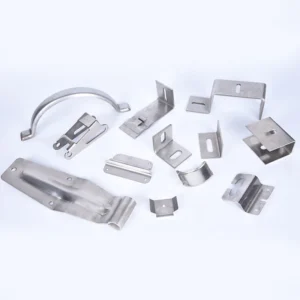
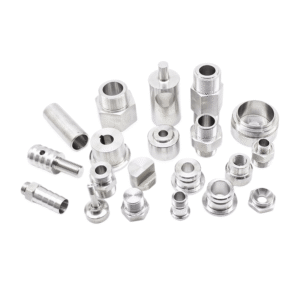
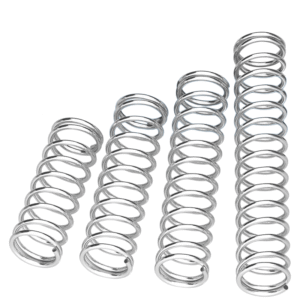
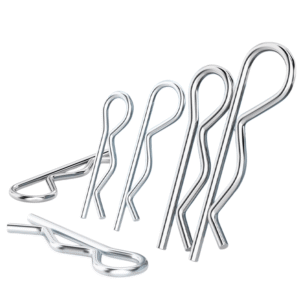
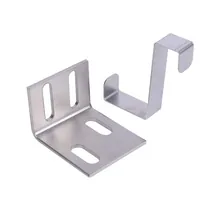
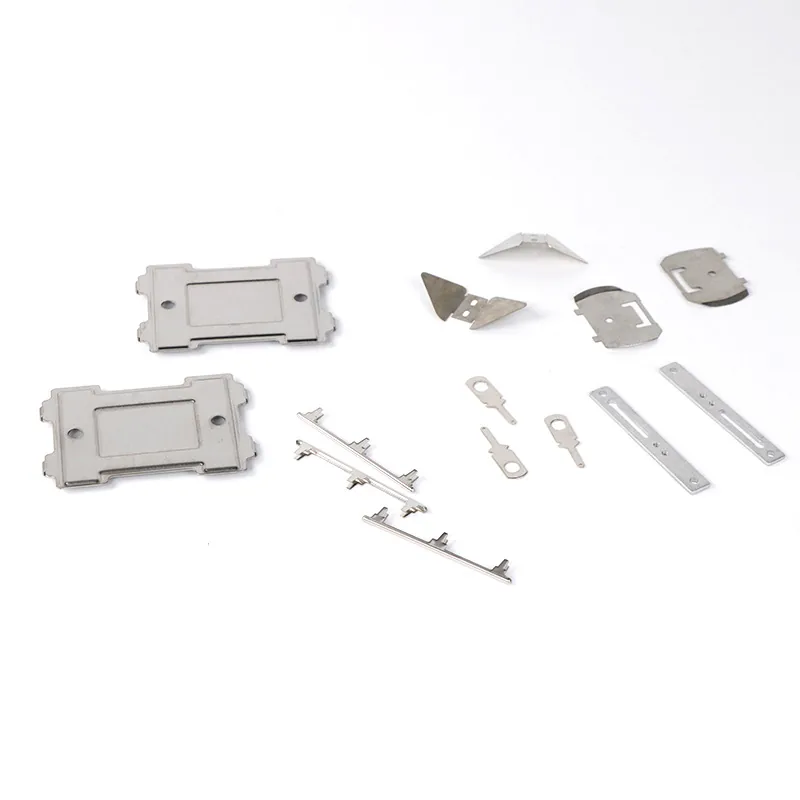
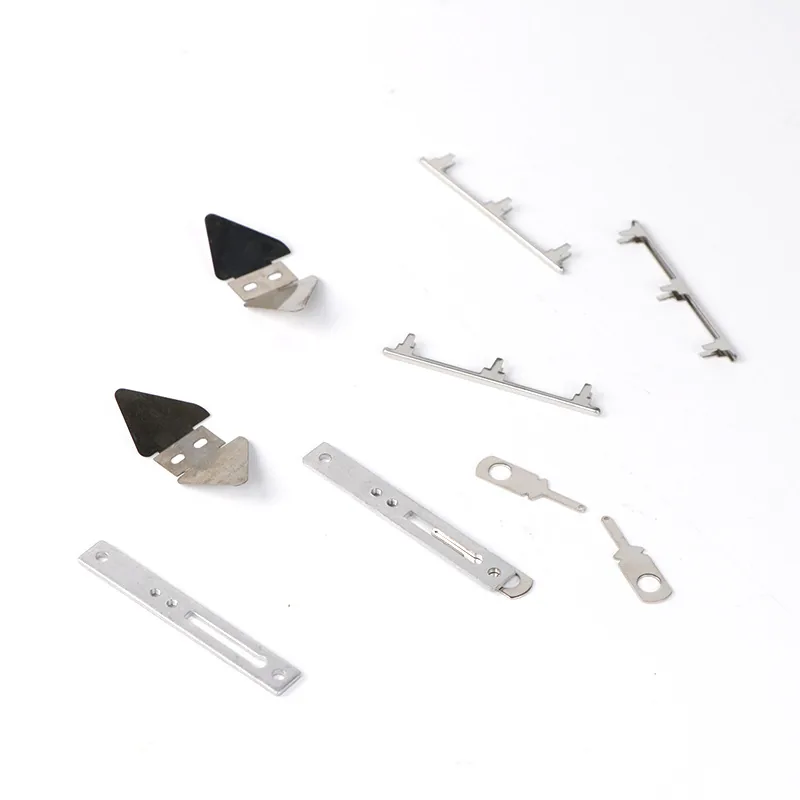
The product group covers custom stamped and formed components with holes, slots, tabs, bends, embossed areas, or assembly features. Parts shown in the gallery demonstrate different geometries only; the final design, material, finish, and application are defined by approved technical documents.
Key Features
- Custom shapes based on drawings or samples
- Blanking, piercing, bending, forming, and trimming evaluated by project
- Prototype and production support after tooling review
- Critical dimensions controlled to the approved inspection plan
- Secondary operations available after technical confirmation
Custom Specifications
| Item | Project Information |
|---|---|
| Part Type | Custom stamped or formed metal component |
| Material | Confirmed from drawing, sample, or application requirement |
| Thickness | According to approved drawing |
| Geometry | Custom holes, slots, tabs, bends, embossed or formed features |
| Tolerance | Drawing-defined and subject to manufacturability review |
| Surface Finish | Confirmed according to functional and appearance requirements |
| Quantity | Confirmed after tooling and process evaluation |
| Drawing Formats | PDF, DWG, DXF, STEP, IGS, or approved sample |
Stamping and Forming Capabilities
The process route may combine blanking, piercing, progressive stamping, bending, forming, trimming, deburring, and approved secondary operations. Tool design and process sequence depend on geometry, material behavior, annual quantity, dimensional requirements, and the buyer’s assembly method.
Design and Manufacturability Review
Before production, our team reviews bend areas, hole-to-edge distance, datum selection, material direction, accessible inspection points, and features that may affect tooling. Buyers should identify critical-to-function dimensions and mating relationships so that the quotation reflects actual requirements.
Materials and Surface Finish
Material grades and finishes are selected from the approved drawing or written specification. If alternatives are requested, they are evaluated for forming, corrosion, conductivity, appearance, and downstream assembly requirements before confirmation.
Applications
Custom stamped metal components can be evaluated for equipment hardware, electrical assemblies, industrial mechanisms, enclosures, brackets, contacts, retainers, and other OEM products. Application suitability remains subject to the customer’s engineering approval.
Quality Inspection
Inspection may include dimensions, hole and slot position, bend angles, flatness, visual finish, gauge fit, and other drawing-defined characteristics. Please state required reports, sampling plans, traceability, or packaging controls in the RFQ.
OEM Manufacturing From Drawings or Samples
For an accurate review, send the drawing or sample, material and thickness, quantity, finish, application, critical dimensions, required documentation, and delivery destination. We will identify any missing information before tooling or mass production.
Frequently Asked Questions
Can you manufacture precision metal stamping parts from my drawing?
Yes. We review geometry, material, thickness, tolerance, quantity, finish, and inspection requirements before confirmation.
Can you work from a physical sample?
A sample can support evaluation, but an approved drawing is recommended for production and inspection control.
What determines tooling and production cost?
Cost depends on geometry, material, thickness, tolerance, quantity, tooling complexity, secondary operations, inspection, and packaging requirements.
What should I include in an RFQ?
Provide technical files, material, thickness, quantity, finish, critical dimensions, application, inspection documents, packaging, and destination.
Request a Quote
Send your drawing, sample, quantity, material, finish, and inspection notes for a manufacturability review.
Send Your Drawing