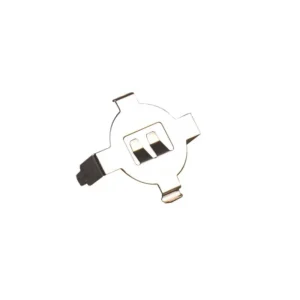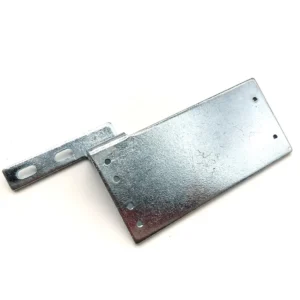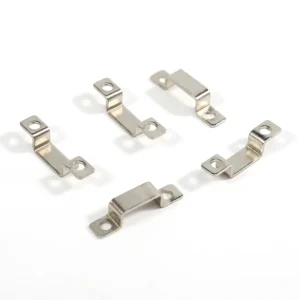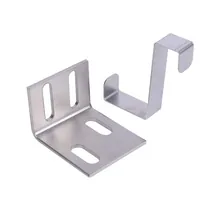
Stamping
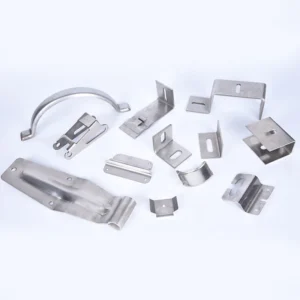
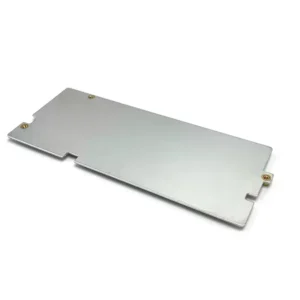
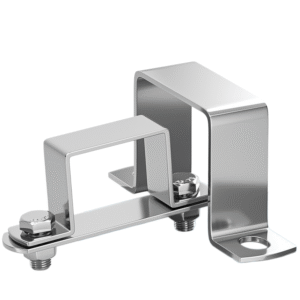
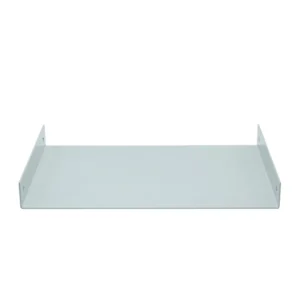
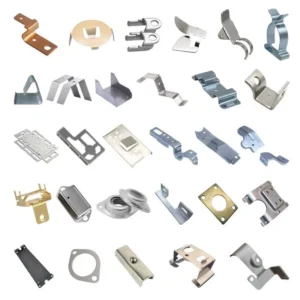
Custom metal stamping parts manufacturer for brackets, clips, mounting straps and formed sheet metal components made from customer drawings. Projects are reviewed against material, thickness, geometry, tolerance, finish, quantity and inspection requirements before quotation.
Metal Stamping Capabilities
Production may include blanking, piercing, bending, forming, progressive operations and drawing-based secondary work. The appropriate route depends on geometry, material behavior, expected quantity and repeatability requirements. Burr direction, cosmetic surfaces, mating interfaces and critical features should be marked on the drawing.
Design and Tolerance Information
Quote accuracy improves when drawings identify material thickness, datum scheme, bend radii, hole position, flatness, edge condition and critical tolerances. Requirements should reflect function and assembly because unnecessarily tight tolerances can change tooling, inspection and cost.
Materials and Surface Finishes
Projects may use stainless steel, carbon steel, aluminum, brass or another drawing-specified material. Finishing options depend on material and application. Review our materials and surface finishes guide before specifying plating, passivation, anodizing, powder coating or cosmetic treatments.
Typical Applications
- Industrial equipment brackets and mounting plates
- Custom clips, straps and retaining components
- Electrical and equipment enclosure hardware
- Automotive and machinery support components
- Solar mounting and construction hardware
- Drawing-based OEM formed metal parts
Information Required for Quotation
- 2D drawing and revision; 3D file when available
- Material grade and thickness
- Prototype, production and annual quantities
- Critical dimensions, burr direction and cosmetic surfaces
- Finish, inspection, packaging and labeling requirements
For broader process information, see our manufacturing capabilities and quality assurance documentation.
Metal Stamping FAQ
Can you manufacture from our drawing?
Yes. Feasibility, tooling route, material, tolerance, finish and inspection requirements are confirmed after drawing review.
Can prototypes and repeat production be supported?
Both can be reviewed. The practical route depends on geometry, tooling needs, material and expected quantity.
What causes burrs on stamped parts?
Burr condition is affected by clearance, tool condition, material and cutting direction. The acceptable edge condition and burr direction should be stated on the drawing.
Showing all 9 results