Best Fasteners for Solar Mounting Systems
Complete guide to selecting solar mounting bolts and photovoltaic fasteners. Learn about corrosion resistance, materials, and installation for 25+ year service life.
Introduction: Critical Fasteners for Solar Energy Systems
Solar mounting systems are engineered to last 25-30 years or more, exposed to harsh outdoor conditions including intense UV radiation, temperature extremes, wind loads, rain, snow, and in coastal areas, salt spray. The solar mounting bolts and photovoltaic fasteners used in these systems must match this longevity, providing reliable structural integrity throughout the entire service life of the solar installation.
Fastener failure in solar mounting systems can have catastrophic consequences. A single corroded bolt can compromise the structural integrity of a panel array, leading to misalignment, reduced energy production, or in extreme cases, panel detachment and safety hazards. Unlike other infrastructure where fasteners can be inspected and replaced periodically, many solar installations are designed for minimal maintenance, making initial fastener selection critical.
At Youjia Metals, we specialize in manufacturing solar fasteners engineered specifically for photovoltaic applications. Our products meet the demanding requirements of solar mounting systems, providing corrosion resistance, mechanical strength, and electrical safety for rooftop, ground-mount, and utility-scale solar installations worldwide.
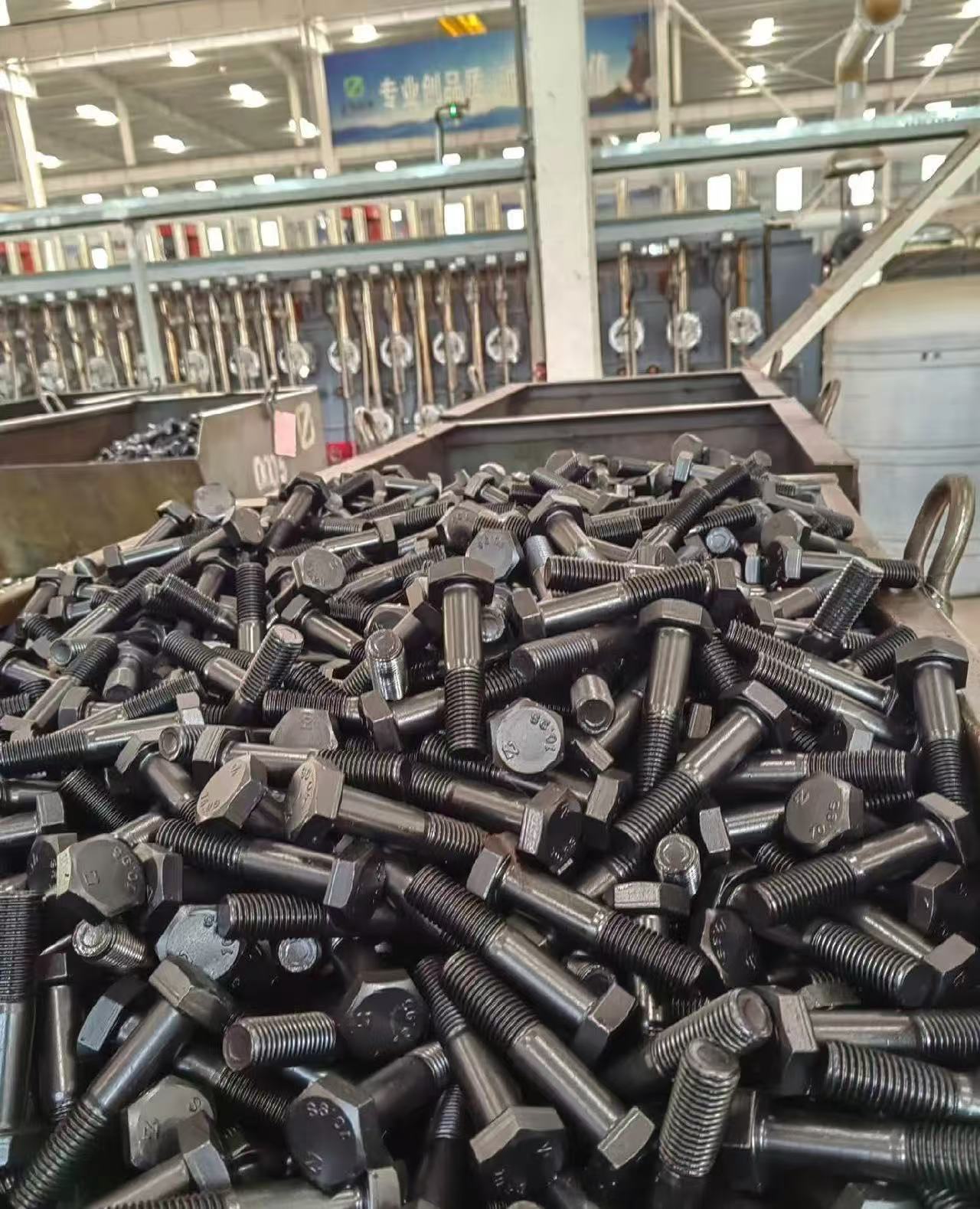
Critical Requirement: Solar mounting fasteners must withstand 25+ years of outdoor exposure without maintenance. This requires materials and coatings specifically engineered for long-term corrosion resistance in the intended environment.
Key Requirements for Solar Fasteners
Solar mounting systems present unique challenges that demand specialized fastener solutions. Understanding these requirements is essential for selecting solar fasteners that will perform reliably for decades.
Corrosion Resistance
Corrosion is the primary enemy of solar mounting systems. Fasteners must resist:
- Atmospheric Corrosion: Rain, humidity, and atmospheric pollutants attack unprotected steel. Even inland locations experience significant moisture exposure.
- Galvanic Corrosion: Solar systems typically combine aluminum rails, steel posts, and various fasteners. Dissimilar metals in contact can create galvanic cells that accelerate corrosion.
- Salt Spray (Coastal): Installations within 1-10 miles of coastlines face severe chloride exposure. Salt spray can corrode standard fasteners in months rather than decades.
- Chemical Exposure: Acid rain, agricultural chemicals, and industrial pollutants can attack fastener materials.
Mechanical Strength
Solar mounting bolts must withstand significant mechanical loads:
- Wind Loads: Solar panels present large surface areas to wind. Design wind speeds of 90-150+ mph (40-67+ m/s) create substantial uplift and shear forces on fasteners.
- Snow Loads: In northern climates, snow accumulation adds significant dead load to mounting structures.
- Seismic Loads: Earthquake-prone regions require fasteners that can withstand cyclic loading without loosening.
- Thermal Cycling: Daily temperature variations cause expansion and contraction, creating fatigue loading on fasteners over 25+ years.
Weather Resistance
Solar fasteners must endure extreme environmental conditions:
- Temperature Extremes: Operating temperatures from -40°C to +85°C (-40°F to +185°F) are common. Fastener materials must maintain strength and corrosion resistance across this range.
- UV Radiation: Constant sun exposure degrades organic materials. Any polymer components (washers, gaskets) must be UV-stabilized.
- Thermal Shock: Rapid temperature changes from cloud cover or rain on hot panels create thermal shock conditions.
Electrical Safety
Photovoltaic systems operate at high DC voltages (up to 1000V or 1500V in utility systems), creating unique electrical requirements:
- Grounding Continuity: Fasteners must maintain electrical continuity for system grounding. Stainless steel provides excellent conductivity for grounding paths.
- Isolation: In some applications, fasteners must provide electrical isolation between components to prevent unwanted current paths.
- Lightning Protection: Fasteners in grounding and bonding systems must withstand lightning surge currents.
Compatibility with Aluminum
Most solar mounting rails are aluminum, creating galvanic compatibility challenges:
- Stainless steel (particularly 300 series) is galvanically compatible with aluminum, making it the preferred fastener material.
- Zinc-coated steel can corrode rapidly when in contact with aluminum in wet conditions.
- Insulating washers or coatings may be required when dissimilar metals must contact.
Design Life Principle: Solar fasteners must be specified for the full 25-30 year design life of the system. Using fasteners with shorter service life creates hidden maintenance liabilities and potential safety risks.
Recommended Materials for Solar Fasteners
Material selection is the most critical decision in specifying solar mounting bolts. The right material provides decades of maintenance-free service; the wrong material leads to premature failure and costly repairs.
Stainless Steel 304 (A2)
SS304 is the most commonly specified material for solar fasteners in non-coastal environments:
- Composition: 18% chromium, 8% nickel provides excellent atmospheric corrosion resistance
- Strength: A2-70 grade provides 700 MPa tensile strength, adequate for most solar mounting applications
- Galvanic Compatibility: Compatible with aluminum rails without excessive galvanic corrosion
- Service Life: 25+ years in most inland environments
- Cost: Moderate cost premium over carbon steel, but lower than SS316
Best For: Inland installations, rooftop systems, general outdoor applications away from salt spray.
Stainless Steel 316 (A4)
SS316 is the premium choice for coastal and severe environments:
- Composition: 16-18% chromium, 10-14% nickel, 2-3% molybdenum provides superior chloride resistance
- Corrosion Resistance: 5-10 times better than SS304 in salt spray and chloride environments
- Strength: A4-70 or A4-80 grades provide high strength with maximum corrosion resistance
- Service Life: 25-50+ years even in coastal environments
- Cost: 30-50% premium over SS304, but essential for coastal applications
Best For: Coastal installations within 10 miles of ocean, marine environments, areas with de-icing salt exposure, swimming pool enclosures.
Hot Dip Galvanized Steel
Hot dip galvanizing provides economical corrosion protection for ground-mount systems:
- Coating: 50-100 μm zinc coating provides sacrificial corrosion protection
- Strength: Carbon steel grades 8.8 and 10.9 provide high strength for structural applications
- Service Life: 15-25 years in moderate environments, 10-15 years near coasts
- Limitations: Galvanic incompatibility with aluminum requires isolation measures
Best For: Ground-mount systems with steel posts, utility-scale installations where periodic maintenance is acceptable, non-coastal environments.
Aluminum Fasteners
Aluminum fasteners provide maximum galvanic compatibility with aluminum rails:
- Compatibility: No galvanic corrosion when paired with aluminum rails
- Weight: 65% lighter than steel, reducing shipping and handling costs
- Strength: Lower strength than steel (typically 300-400 MPa), requiring larger diameters
- Service Life: Excellent in most environments, but lower strength limits applications
Best For: Applications where weight is critical, systems requiring maximum galvanic compatibility.
Material Selection Guide
| Environment | Recommended Material | Expected Life | Relative Cost |
|---|---|---|---|
| Inland / General | SS304 (A2-70) | 25+ years | Medium |
| Coastal / Marine | SS316 (A4-70) | 25-50 years | Higher |
| Ground Mount (Steel) | Hot-dip galvanized | 15-25 years | Lower |
| Lightweight Critical | Aluminum 6061-T6 | 25+ years | Medium |
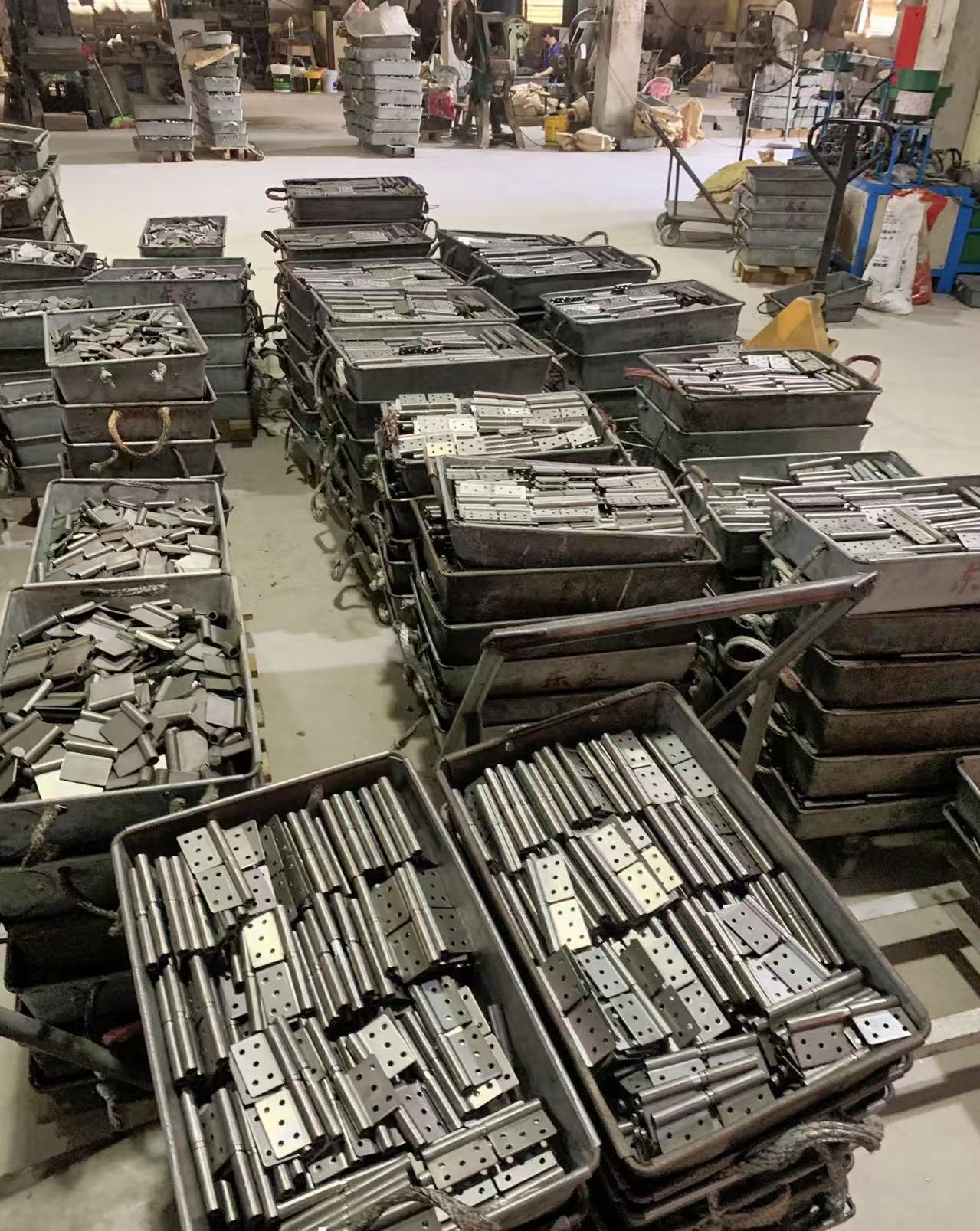
Material Recommendation: For most solar applications, SS304 provides the best balance of corrosion resistance, strength, and cost. For coastal or severe environments, the additional cost of SS316 is essential for achieving 25-year service life.
Installation Tips for Solar Mounting Systems
Proper installation is essential for maximizing the service life of solar fasteners. Even the best materials can fail prematurely if improperly installed.
Torque Specifications
Correct torque ensures both structural integrity and corrosion prevention:
- Follow Manufacturer Specifications: Always use the torque values specified by the mounting system manufacturer. These values account for the specific materials and design of the system.
- Use Calibrated Torque Wrenches: Click-type or digital torque wrenches ensure consistent, accurate tightening. Re-calibrate wrenches annually.
- Torque Sequence: In multi-bolt connections, tighten bolts in a star pattern to ensure even pressure distribution.
- Retorque After Initial Installation: Check torque after 30-90 days of service to account for relaxation and settlement.
Galvanic Isolation
Prevent galvanic corrosion between dissimilar metals:
- Use Isolation Washers: When connecting stainless fasteners to aluminum, use nylon or EPDM washers to prevent metal-to-metal contact.
- Apply Dielectric Grease: Dielectric compounds on threads prevent moisture ingress and reduce galvanic activity.
- Avoid Mixed Materials: Use the same fastener material throughout the system when possible.
Weatherproofing
Prevent water ingress at fastener locations:
- Use Sealing Washers: EPDM or neoprene sealing washers prevent water penetration at roof penetrations.
- Apply Sealant: Use compatible sealants (typically silicone or polyurethane) at roof penetrations and joints.
- Proper Flashing: Ensure proper flashing around roof penetrations to direct water away from fasteners.
Grounding and Bonding
Ensure electrical safety through proper grounding:
- Maintain Electrical Continuity: Stainless steel fasteners provide good electrical conductivity for grounding paths.
- Use Grounding Washers: Star washers or specialized grounding hardware ensure electrical contact between components.
- Follow NEC/Local Codes: Comply with National Electrical Code and local requirements for solar system grounding.
Quality Control
Implement quality control during installation:
- Inspect Fasteners Before Use: Check for coating damage, thread defects, or corrosion before installation.
- Document Installation: Record fastener locations, torque values, and any issues for future maintenance reference.
- Periodic Inspection: Schedule inspections at 1, 5, and 10 years to catch any developing issues.
Installation Best Practice: The best solar fastener installation combines proper material selection, correct torque, galvanic isolation, and weatherproofing. Cutting corners on any of these aspects compromises the 25-year service life of the system.
Conclusion and Recommendations
Selecting the best fasteners for solar mounting systems requires careful consideration of environmental conditions, mechanical loads, material compatibility, and long-term service requirements. The fasteners chosen must protect the significant investment in solar equipment while ensuring safety and reliability for 25-30 years.
Key Recommendations
- Specify SS304 for Most Applications: For inland installations, SS304 (A2-70) provides the optimal balance of corrosion resistance, strength, and cost.
- Use SS316 for Coastal/ Severe Environments: The additional cost of SS316 is essential for installations within 10 miles of coastlines or in severe industrial environments.
- Ensure Galvanic Compatibility: Use isolation measures when connecting dissimilar metals, particularly between fasteners and aluminum rails.
- Follow Proper Installation Practices: Correct torque, weatherproofing, and quality control are essential for achieving design life.
- Plan for the Long Term: Specify fasteners for the full 25-30 year design life. Short-term savings on fastener costs create long-term liabilities.
Quick Selection Guide
- Inland Rooftop: SS304 bolts with EPDM sealing washers
- Coastal Rooftop: SS316 bolts with isolation and sealing washers
- Ground Mount (Steel Structure): Hot-dip galvanized or SS304 bolts
- Utility Scale: SS304 or SS316 depending on environment
- Carports/Canopies: SS304 minimum, SS316 for coastal
At Youjia Metals, we are a leading custom fasteners manufacturer specializing in solar fasteners and photovoltaic fasteners. Our engineering team provides material selection guidance, custom manufacturing, and technical support to ensure your solar mounting systems achieve their full design life.
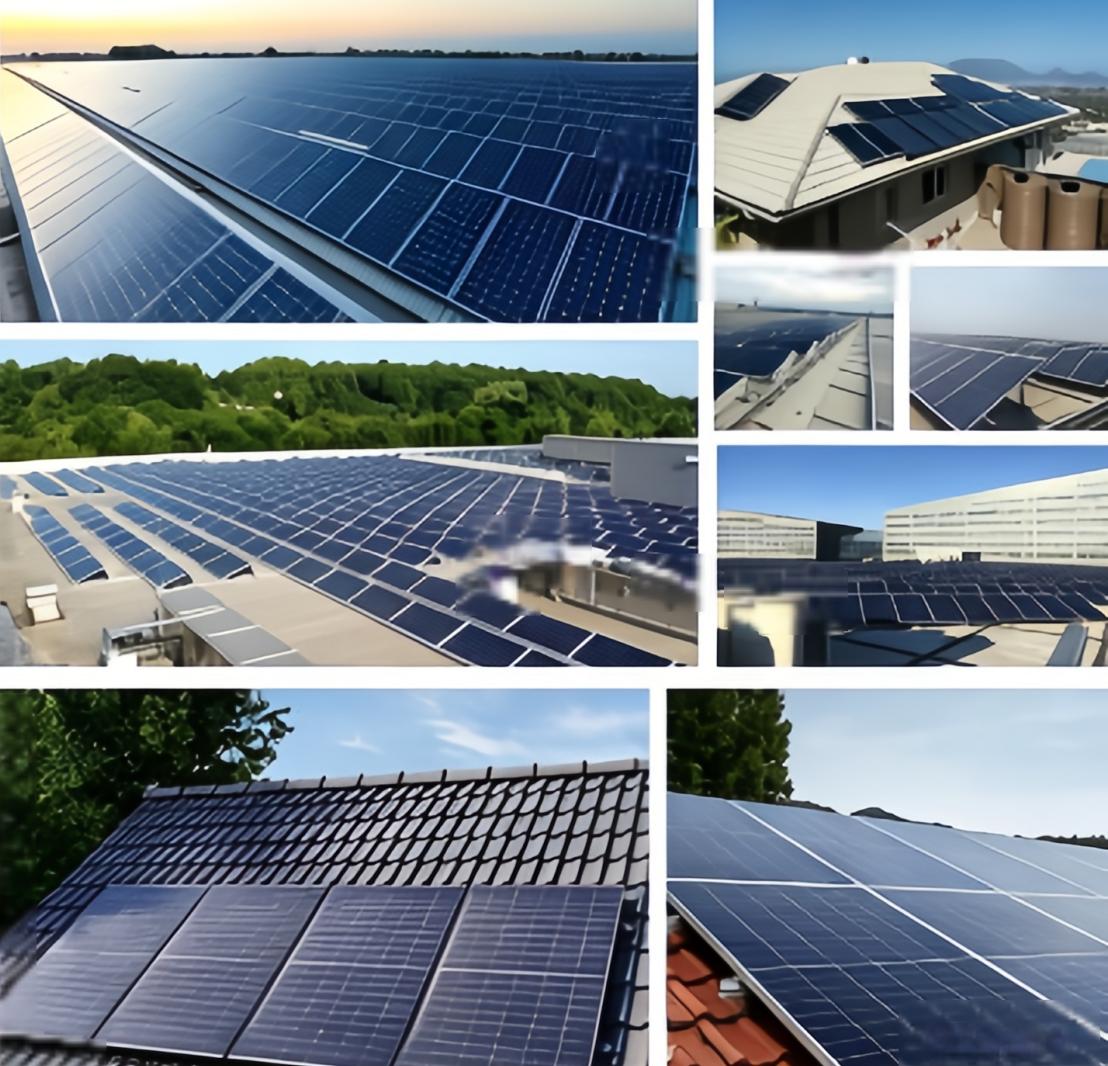
Need solar fasteners for your project? Contact our technical team for material recommendations, custom manufacturing options, and competitive quotations for projects of any size.