
Brass vs Stainless Steel Fasteners for Electrical Equipment
A comprehensive comparison of brass fasteners and stainless steel fasteners for electrical applications. Understand conductivity, corrosion resistance, and how to select the right electrical fasteners for switchgear, enclosures, and electronic devices.
Introduction: Conductivity and Corrosion Resistance Requirements in the Electrical Industry
The electrical industry demands fasteners that fulfill a unique combination of requirements rarely found in other sectors. Unlike structural or mechanical applications where pure strength is the primary concern, electrical fasteners must balance electrical conductivity, corrosion resistance, non-magnetic properties, thermal stability, and mechanical strength simultaneously. A fastener that excels in one property but fails in another can compromise the safety and reliability of the entire electrical system.
Electrical conductivity is perhaps the most distinctive requirement for fasteners in this industry. In electrical panels, switchgear, and grounding systems, fasteners often serve as conductive pathways that complete electrical circuits or provide equipotential bonding between components. The conductivity of the fastener material directly affects contact resistance, power losses, and the risk of overheating at connection points. This is where the fundamental difference between brass and stainless steel becomes critical for material selection.
Corrosion resistance is equally vital because electrical equipment operates in diverse environments ranging from climate-controlled indoor installations to outdoor substations exposed to rain, humidity, salt spray, and industrial pollutants. Corroded fasteners increase contact resistance, create insulation barriers at connection points, and can lead to overheating, arcing, and ultimately equipment failure. The consequences of fastener-related failures in electrical systems can be severe, including fires, equipment damage, and safety hazards to personnel.
At Youjia Metals, we manufacture both brass fasteners and stainless steel fasteners specifically engineered for electrical applications. Our engineering team understands the unique requirements of the electrical industry and provides material selection guidance to ensure your fastening systems meet safety standards and performance expectations.
Critical Principle: In electrical equipment, fastener material selection directly impacts system safety, energy efficiency, and long-term reliability. The choice between brass and stainless steel must consider conductivity requirements, environmental exposure, grounding needs, and applicable electrical codes. A wrong material choice can lead to overheating, increased contact resistance, and potential fire hazards.
Material Comparison: Brass vs Stainless Steel
Brass and stainless steel represent two fundamentally different material families, each with distinct advantages and limitations for electrical applications. Understanding the properties of each material enables informed decisions that optimize performance, safety, and cost for specific electrical equipment requirements.
Brass Fasteners: Properties and Advantages
Brass fasteners are manufactured from copper-zinc alloys, typically containing 60-70% copper and 30-40% zinc. This alloy composition provides a unique combination of properties that make brass the preferred material for many electrical fastening applications. The high copper content delivers excellent electrical conductivity, while the zinc component contributes to strength, hardness, and corrosion resistance.
Brass is generally more electrically conductive than stainless steel, but actual conductivity depends on the selected alloy, surface condition and joint design. This superior conductivity makes brass fasteners ideal for applications where the fastener serves as a conductive element, such as grounding connections, bonding jumpers, and terminal block hardware. The low contact resistance of brass connections minimizes power losses and reduces heat generation at connection points.
Brass is inherently non-magnetic, which is essential for applications near sensitive electronic equipment, transformers, and measurement instruments. Magnetic fasteners can interfere with electromagnetic fields, causing measurement errors, signal interference, and potential equipment malfunction. The non-magnetic nature of brass eliminates these concerns entirely.
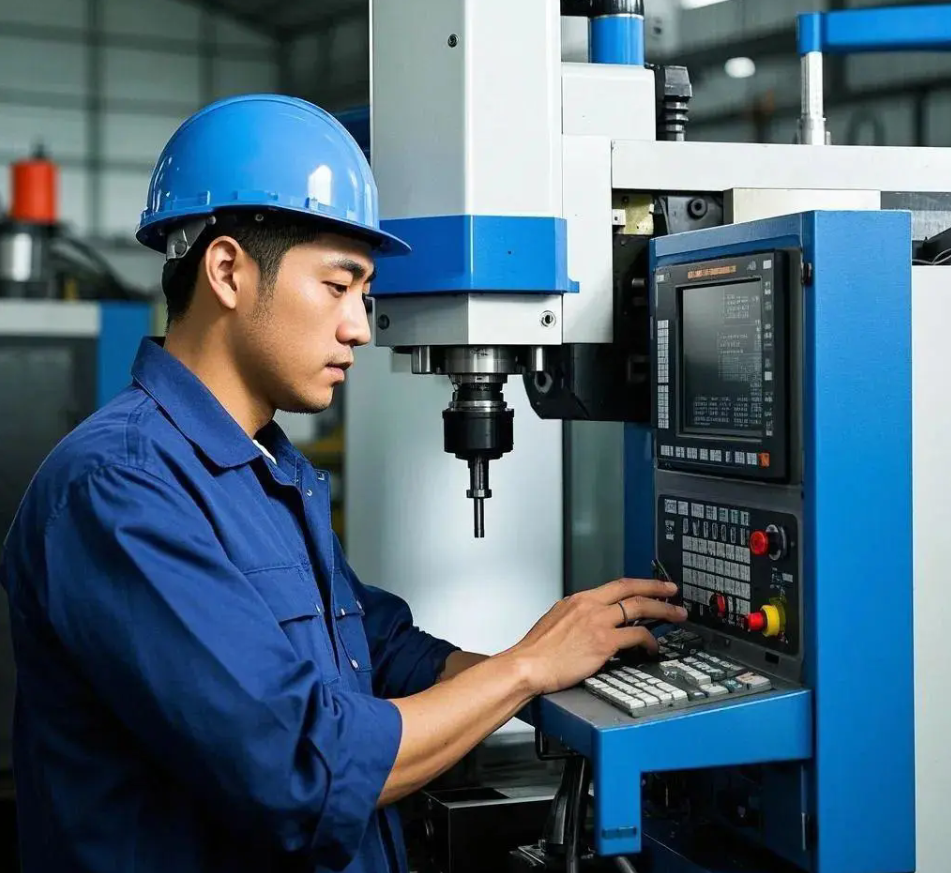
Another significant advantage of brass is its excellent machinability. Brass fasteners can be manufactured with high precision and excellent surface finish using CNC machining and cold forming processes. This machinability enables the production of complex fastener geometries, fine threads, and tight dimensional tolerances required for precision electrical connections. The superior machinability also translates to lower manufacturing costs for complex custom fastener designs.
Brass also exhibits good corrosion resistance in most atmospheric environments, though it is susceptible to dezincification in specific conditions. The natural golden appearance of brass provides visual identification that distinguishes conductive fasteners from structural fasteners in electrical assemblies, which is a practical benefit during installation and maintenance.
Stainless Steel Fasteners: Properties and Advantages
Stainless steel fasteners are manufactured from iron-based alloys containing chromium (minimum 10.5%), nickel, and other elements that provide exceptional corrosion resistance and mechanical strength. In electrical applications, stainless steel is chosen primarily for its superior durability in harsh environments and its high mechanical strength for structural connections within electrical enclosures and equipment.
The corrosion resistance of stainless steel, particularly SS316, far exceeds that of brass in aggressive environments. Stainless steel fasteners maintain their integrity in outdoor installations, coastal areas, chemical processing plants, and other corrosive environments where brass would experience accelerated degradation. This makes stainless steel the preferred choice for outdoor electrical equipment, marine applications, and industrial installations with corrosive atmospheres.
Stainless steel offers significantly higher mechanical strength compared to brass. While brass fasteners typically achieve tensile strengths of 300-500 MPa, stainless steel fasteners in common grades (A2-70, A4-70) provide tensile strengths of 700 MPa or higher. This superior strength makes stainless steel the appropriate choice for structural connections in electrical equipment such as enclosure mounting, panel frame assembly, and equipment support brackets where mechanical loads are significant.
The primary limitation of stainless steel in electrical applications is its low electrical conductivity, approximately 2-3% IACS. This means stainless steel fasteners should not be used where the fastener serves as a conductive element. However, for non-conductive connections such as enclosure covers, mounting hardware, and structural supports, the low conductivity is not a concern and the superior corrosion resistance and strength become the deciding factors.
Stainless steel is also non-magnetic in its austenitic grades (SS304, SS316), making it suitable for applications near sensitive electronic equipment. However, cold working can induce some magnetic response in austenitic stainless steel, which should be considered for the most magnetically sensitive applications.
| Property | Brass | Stainless Steel |
|---|---|---|
| Electrical Conductivity | alloy- and condition-dependent conductivity | 2-3% IACS |
| Tensile Strength | 300-500 MPa | 700+ MPa |
| Corrosion Resistance | Good | Excellent |
| Magnetic Properties | Non-magnetic | Non-magnetic (austenitic) |
| Machinability | Excellent | Moderate |
| Cost | Moderate | Moderate to High |
| Temperature Range | Up to 200°C | Up to 800°C |
Material Selection Rule: Choose brass fasteners when electrical conductivity is required (grounding, bonding, terminal connections). Choose stainless steel fasteners when mechanical strength and corrosion resistance are primary concerns (enclosure mounting, structural supports, outdoor installations). When both properties are needed, use brass for conductive connections and stainless steel for structural elements.
Applications in Electrical Equipment
The electrical industry encompasses a wide range of equipment types, each with specific fastener requirements. Understanding the demands of each application category ensures proper material selection and reliable long-term performance. The following sections detail the primary applications where brass and stainless steel fasteners are used in electrical equipment.
Electrical Enclosures and Cabinets
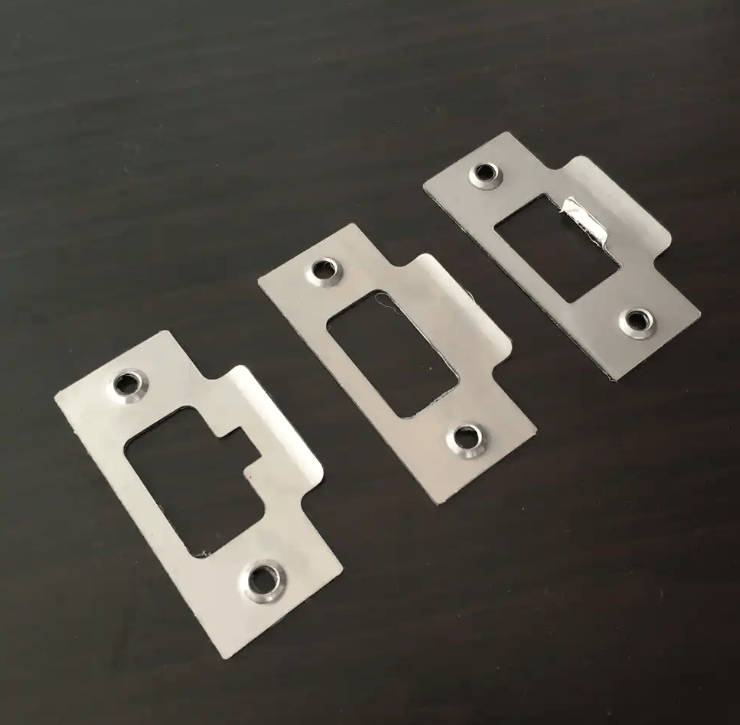
Electrical enclosures house sensitive components including circuit breakers, controllers, relays, and wiring systems. The fasteners used in enclosures must provide secure closure, environmental sealing, and corrosion protection while maintaining compatibility with the enclosed electrical components. Both brass and stainless steel fasteners play important roles in enclosure applications.
Enclosure cover screws and door hinges are among the most visible fasteners in electrical equipment. Stainless steel screws are preferred for outdoor enclosures and harsh environments due to their superior corrosion resistance. For indoor NEMA-rated enclosures in climate-controlled environments, zinc-plated steel or stainless steel fasteners provide adequate protection at lower cost. Brass screws are used for enclosure applications where grounding continuity through the fastener is required.
Mounting hardware for electrical enclosures, including wall brackets, floor stands, and mounting rails, typically uses stainless steel fasteners for their superior strength and corrosion resistance. These structural connections must support the weight of the enclosure and its contents while withstanding environmental exposure throughout the installation’s service life. Grade A2-70 or A4-70 stainless steel fasteners in appropriate sizes ensure reliable mounting performance.
Grounding connections within electrical enclosures require brass fasteners due to their superior electrical conductivity. Ground bus bars, bonding jumpers, and equipment grounding conductors are secured with brass bolts, nuts, and washers that provide low-resistance electrical connections. The conductivity of brass ensures effective fault current paths and proper equipment grounding as required by electrical codes.
Switchgear and Circuit Breaker Panels
Switchgear assemblies and circuit breaker panels represent critical electrical infrastructure where fastener reliability directly impacts system safety. These assemblies contain high-current connections, bus bars, and switching mechanisms that require fasteners with specific combinations of conductivity, strength, and thermal stability.
Bus bar connections in switchgear require brass fasteners or high-conductivity copper alloys to minimize contact resistance and power losses at connection points. These connections carry full load current and must maintain low resistance over years of service. Brass bolts with Belleville washers provide consistent clamping force that accommodates thermal cycling while maintaining low contact resistance.
Circuit breaker mounting hardware typically uses stainless steel fasteners for structural strength and vibration resistance. Circuit breakers generate significant mechanical forces during operation, and the mounting fasteners must withstand these dynamic loads while maintaining precise alignment of the breaker mechanism. Stainless steel’s high strength and fatigue resistance make it ideal for these demanding applications.
Switchgear enclosure structural connections use stainless steel fasteners for their combination of strength and corrosion resistance. The heavy gauge steel or aluminum enclosures used in switchgear assemblies require robust fastening systems that maintain integrity under thermal cycling, short-circuit forces, and environmental exposure. Stainless steel flange bolts provide the necessary clamping force with excellent corrosion protection.
Electronic Devices and Control Systems
Electronic devices including PLCs, motor drives, communication equipment, and control systems require fasteners that meet stringent requirements for non-magnetic properties, precision, and cleanliness. The sensitive electronic components in these devices can be affected by magnetic interference, particulate contamination, and galvanic corrosion from incompatible fastener materials.
Both brass and stainless steel fasteners are used in electronic device applications, with selection based on the specific requirements of each connection. Brass fasteners are preferred for grounding connections and EMI shielding applications where conductivity is essential. Stainless steel fasteners are used for structural mounting, enclosure assembly, and component retention where strength and corrosion resistance are primary concerns.
Printed circuit board (PCB) standoffs and mounting hardware often use brass for its combination of conductivity, non-magnetic properties, and precision machinability. These small fasteners must provide reliable electrical connections while maintaining precise positioning of circuit boards within the enclosure. Brass’s excellent machinability enables production of the tight-tolerance threads and precise dimensions required for PCB hardware.
Terminal blocks and connector hardware represent another important application for electrical fasteners. Terminal block screws that secure wire connections must provide reliable electrical contact, resist loosening from thermal cycling, and maintain torque retention over years of service. Brass screws with appropriate head designs provide the conductivity and reliability needed for these critical connections.
Outdoor and Industrial Electrical Installations
Outdoor electrical installations including substations, street lighting, solar installations, and industrial plant wiring face the most demanding environmental conditions. Fasteners in these applications must withstand UV radiation, temperature extremes, rain, humidity, and atmospheric pollutants while maintaining electrical integrity and mechanical strength.
For outdoor electrical equipment, stainless steel fasteners are the preferred choice for structural and enclosure connections. SS316 grade provides the best performance in coastal and industrial environments where chloride exposure accelerates corrosion of lesser materials. The superior corrosion resistance of stainless steel ensures maintenance-free performance in outdoor installations.
Grounding systems in outdoor installations present a unique challenge because they require both conductivity and corrosion resistance. While brass provides better conductivity, it may not offer sufficient corrosion resistance for direct burial or exposure to soil chemicals. In these applications, copper-bonded ground rods with brass connectors, or bronze alloys that combine conductivity with enhanced corrosion resistance, may be specified.
| Application | Primary Material | Key Requirement | Common Fastener Types |
|---|---|---|---|
| Enclosure Covers | Stainless Steel | Corrosion resistance | Socket cap screws, thumbscrews |
| Grounding Connections | Brass | Conductivity | Hex bolts, washers |
| Bus Bar Connections | Brass | Low contact resistance | Hex bolts, Belleville washers |
| Circuit Breaker Mounting | Stainless Steel | Strength, vibration | Flange bolts, hex bolts |
| PCB Standoffs | Brass | Precision, conductivity | Standoffs, spacers |
| Outdoor Enclosures | SS316 | Marine/industrial corrosion | Hex bolts, lock nuts |
Application Summary: In electrical equipment, brass dominates for conductive connections (grounding, bonding, bus bars, terminal blocks) while stainless steel dominates for structural and environmental connections (enclosure mounting, outdoor hardware, breaker mounting). Understanding this division enables optimal material selection for each fastener location within the equipment.
Conclusion: Selecting the Right Fastener Material for Electrical Applications
The choice between brass fasteners and stainless steel fasteners in electrical equipment is not a matter of one material being universally superior. Rather, each material excels in specific roles within electrical systems, and proper material selection requires understanding the function of each fastener in the context of the overall electrical design.
For conductive connections where the fastener serves as part of the electrical circuit, brass is the clear choice. Its high conductivity, non-magnetic properties, and excellent machinability make it ideal for grounding hardware, bus bar connections, terminal block screws, and bonding jumpers. The low contact resistance of brass connections ensures efficient power transfer and minimizes heat generation at connection points.
For structural and environmental connections where conductivity is not required, stainless steel provides superior performance. Its high strength, exceptional corrosion resistance, and temperature stability make it the preferred material for enclosure hardware, mounting systems, outdoor installations, and structural connections within electrical equipment. The longevity of stainless steel fasteners reduces maintenance requirements and ensures reliable performance throughout the equipment’s service life.
At Youjia Metals, we manufacture a comprehensive range of custom fasteners for electrical applications, including both brass and stainless steel options. Our capabilities include precision CNC machining, cold forming, and surface treatment to meet the exacting requirements of the electrical industry. We provide complete material certifications, dimensional inspection reports, and compliance documentation for every order.
Whether you need standard electrical fasteners or custom-designed solutions for unique equipment requirements, our engineering team is ready to support your project. We offer complimentary material selection consultation, prototype development, and competitive pricing for production quantities from small batches to full-scale manufacturing runs.
Contact us today to discuss your electrical fastener requirements and discover how our manufacturing expertise can support your next project with reliable, code-compliant fastening solutions.
RFQ Checklist for Electrical Fasteners
A useful quotation request should identify whether the fastener is part of the electrical current path, a protective bonding connection or only a mechanical enclosure assembly. This distinction helps prevent a material from being selected only because it appears corrosion resistant or conductive.
Provide the material designation or acceptable alternatives, thread system, diameter, length, head style, mating component, finish, quantity and application environment. If conductivity is important, state the required function and the test or acceptance method. If corrosion exposure is important, describe indoor, outdoor, humid, chemical or coastal conditions without assuming that one material is suitable for every environment.
Buyers should also identify restrictions on magnetism, galvanic contact, temperature, cleaning chemicals and surface coatings. Plating or passivation can affect the contact surface, so the drawing should define masked areas, contact faces or coating exclusions when necessary. Do not rely on the generic words “electrical grade” without a measurable specification.
For samples and repeat orders, agree how thread fit, dimensions, material documentation, finish appearance and packaging will be checked. An approved drawing and sample provide a clearer production reference than a product name alone. Any requested inspection report, material certificate or traceability label must be confirmed before the order.
Material choice should be verified at assembly level, not from the fastener alone. Contact pressure, washer design, surface cleanliness, tightening method and the mating conductor can influence electrical performance. A mechanically strong connection is not automatically an approved current-carrying joint, and a conductive alloy is not automatically suitable for every threaded assembly. For that reason, prototype or sample evaluation should reproduce the actual mating components and installation method.
When replacing an existing fastener, record the original material, finish, markings, thread and contact arrangement before proposing an alternative. Changes should be reviewed by the responsible engineer, especially where the joint performs grounding, bonding, protective or temperature-sensitive functions. The supplier can manufacture to an approved specification, but the purchaser must define the system-level acceptance requirements.
Information to send: application function, material or approved alternatives, dimensions, thread, finish, quantity, operating environment, mating materials, inspection requirements and drawing format.