
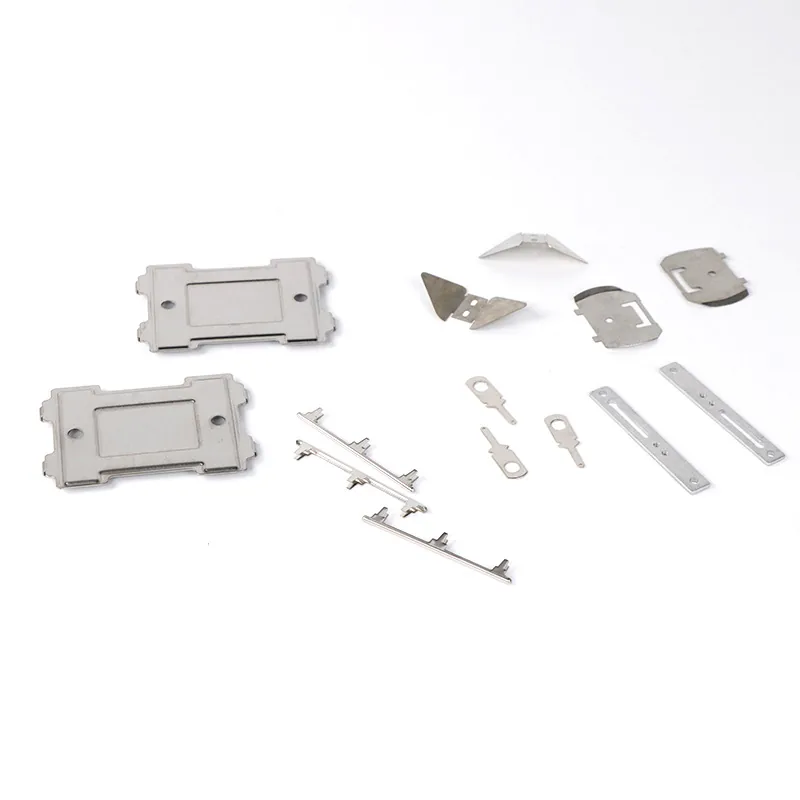
How to Choose Surface Finishes for Metal Stamped Parts
A practical way to specify plating, coating, passivation and mechanical finishing for custom stamped parts—without guessing at a finish from appearance alone.
Contents
Describe environment, function and visible faces.
Put finish, coverage and mask notes in the drawing.
Check the route with material, geometry and assembly in view.
Approve the controlled sample or documented requirement.
Start With What the Surface Must Do
It is tempting to choose a finish from a product photograph or from a previous part. That approach can create trouble because the finish is not just a color or shine level. It may be expected to support corrosion resistance, improve appearance, prepare the part for paint, protect a visible face, provide an electrical contact surface, reduce a sharp edge or meet a customer’s specific drawing requirement. The first question for a buyer is therefore not “which finish looks best?” but “what must this surface do after the part is stamped and assembled?”
Describe the actual operating context. Is the part inside a dry enclosure, on outdoor equipment, near moisture, in an area that will be cleaned, or on a component handled frequently? Will it touch another metal, a gasket, a wire, a fastener or a conductive contact? Is it visible to the end user? These details make a finishing conversation concrete. A simple mounting bracket used indoors may have different needs from a visible cover, a cable-retaining clip or a part supplied to a coastal installation.
A surface finish should be discussed with the base material, not separately from it. Carbon steel, stainless steel, aluminum, copper and brass do not use the same finishing routes in the same way. If the base material is not final, identify the performance need and request a drawing-based review. Our metal stamping materials guide explains how grade, thickness, formability and finish should be considered together.
What to Include in a Surface Finish RFQ
Clear instructions before quotation help prevent a finished part from being technically acceptable but commercially unusable. The drawing should identify the required base material, finish name or standard where known, color or appearance reference where applicable, coverage requirement, masked locations, critical threaded or contact areas, and any features where added surface layers may affect fit. State the drawing revision and ensure that attachments refer to the same revision.
If the exact finish route is not fixed, describe the objective instead of inventing a process name. For example, write that the part is an indoor mounting bracket with a visible front face and ordinary handling exposure; or explain that a contact area must remain suitable for its intended assembly. The supplier can then review options. Avoid broad terms such as “anti-rust coating,” “high-quality plating,” or “mirror finish” unless the requirement is supported by an agreed specification, sample or acceptance description.
| RFQ item | Useful instruction | Why it matters |
|---|---|---|
| Base material | Grade, thickness and condition where known. | Finish compatibility begins with the substrate. |
| Finish objective | Corrosion, appearance, contact, handling or paint-preparation requirement. | Helps compare suitable routes without guessing. |
| Coverage and masking | Faces, holes, threads, contacts or weld areas that need a note. | Prevents a finish from interfering with assembly. |
| Appearance reference | Approved sample, color reference or written visual requirement. | Turns “looks good” into a reviewable expectation. |
| Inspection request | Sample, visual check, documentation or project-specific test requirement. | Sets the review level before production begins. |
Zinc Plating for Carbon Steel Stamped Parts
Zinc plating is often considered for carbon-steel hardware where a protective metallic finish is requested. The actual plating type, supplementary treatment, coverage, appearance and project requirement should be confirmed rather than inferred from the word “zinc.” A bright-looking part is not, by itself, a complete plating specification. The buyer should state the material, application environment, required surfaces and any dimensions or contacts that cannot be changed by the finishing route.
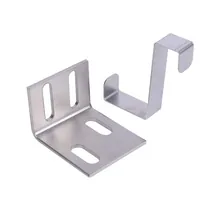
For small stamped brackets, clips, straps and general hardware, zinc plating may be evaluated as one possible approach when the design calls for a finished steel part. But the RFQ should still address thread fit, hole size, edge condition, visible faces and post-finishing handling. If a part will be bent, welded, inserted or machined after finishing, the process order needs review. It is usually more useful to ask how the proposed route works with the drawing than to demand a generic corrosion claim without a project requirement.
Where a buyer compares zinc-related terminology, it is important not to use different coating names as if they were identical. Our zinc plated vs galvanized bolts guide gives background on why coating terms must be matched to the application and product requirement.
Powder Coating and Paint for Appearance or Coverage
Powder coating and liquid paint are often considered when a part needs a defined color, a broader coated surface or an appearance-led finish. They are not merely decorative decisions. Coating preparation, curing, coverage, geometry and the part’s base material can influence the final result. A tight slot, sharp inside corner, threaded point, contact face or mating surface may need a note before coating is chosen.
Buyers should identify whether the finish is on a visible surface, whether the part will be outdoors or indoors, whether a color reference is needed, and whether the coating must avoid certain features. If a physical color chip, sample panel or customer-controlled reference exists, attach it to the RFQ. Do not promise a specific color match based only on a screen image. Where surface texture matters, describe whether the requirement is smooth, matte, textured or another agreed finish—not simply “premium quality.”
Coatings can influence fit. A component that nests in a housing, accepts a fastener or slides against another part needs the assembly condition reviewed. Do not assume that a coating can be added after a drawing is released without considering holes, clearances or contact faces. A good supplier review will identify these points before the sample stage.
Stainless Steel Passivation and Surface Condition
Stainless steel components may be supplied with a mill, brushed, polished or otherwise specified surface depending on the part and application. Passivation is sometimes requested as part of a stainless-steel finishing plan, but the exact requirement, material grade, process and acceptance expectation should be defined for the project. Do not treat passivation as a universal guarantee for every environment. It is better to state the stainless grade, the application and the required documentation or standard where the customer has one.
For visible stainless parts, define the appearance separately from the material requirement. A brushed face, a polished visible face and a general industrial surface are different expectations. If small handling marks, tool witness lines or a grain direction are relevant, put that information into the drawing or finish specification. A clear visual standard helps the supplier quote the right process rather than discovering a cosmetic requirement after the part is produced.
For parts used in a marine or outdoor assembly, material grade and finish must be considered together with the environment. See our SS304 vs SS316 stainless steel chain guide for a buyer-oriented example of why the same material family does not automatically answer every environmental question.
Aluminum Anodizing and Other Aluminum Surface Needs
Aluminum parts are often reviewed for anodizing, paint or other surface treatments where appearance, handling, corrosion behavior, electrical conditions or assembly needs matter. The proposed alloy and condition influence what is practical, so the base material should be part of the drawing requirement. If color is requested, provide a controlled reference where possible. If a part has a visible front surface and hidden return faces, indicate this clearly.
Anodizing and coating discussions should include any threaded interfaces, electrical contacts, mating faces and areas that require masking. An aluminum cover with a decorative visible face has a different finish brief from an internal bracket. It is also useful to state whether the component will be assembled with steel, stainless steel or other materials, because the overall assembly environment may influence the design review. Do not convert a preference for “black aluminum” into a complete specification without defining the material, route and acceptance reference.
Mechanical Finishing, Deburring and Edge Expectations
Not every surface requirement is a coating. Deburring, brushing, polishing, tumbling and cleaning may be requested to address edge handling, appearance or downstream assembly. A useful requirement identifies which edges or surfaces matter and why. “No burr” is not always specific enough. A stamped edge that contacts an operator, wire insulation, a gasket, a cable, a painted surface or a precise mating part may require a different treatment from a hidden internal edge.
When a buyer asks for deburring, identify the part orientation and the affected features. If sharpness, edge break or a surface texture must be evaluated in a particular way, include that requirement in the project documents. This avoids turning a functional request into a subjective visual dispute. Secondary finishing also needs to be considered with the overall process: a finish can change the look of a pierced edge, but it may not correct a design that needs a different blanking or forming approach.
How Surface Finishing Can Affect Dimensions and Assembly
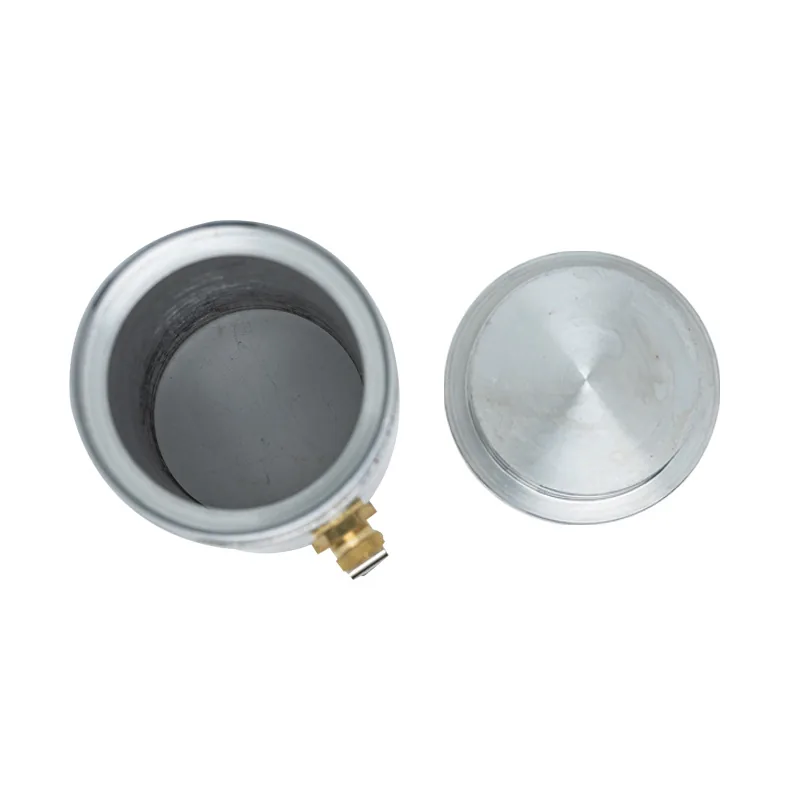
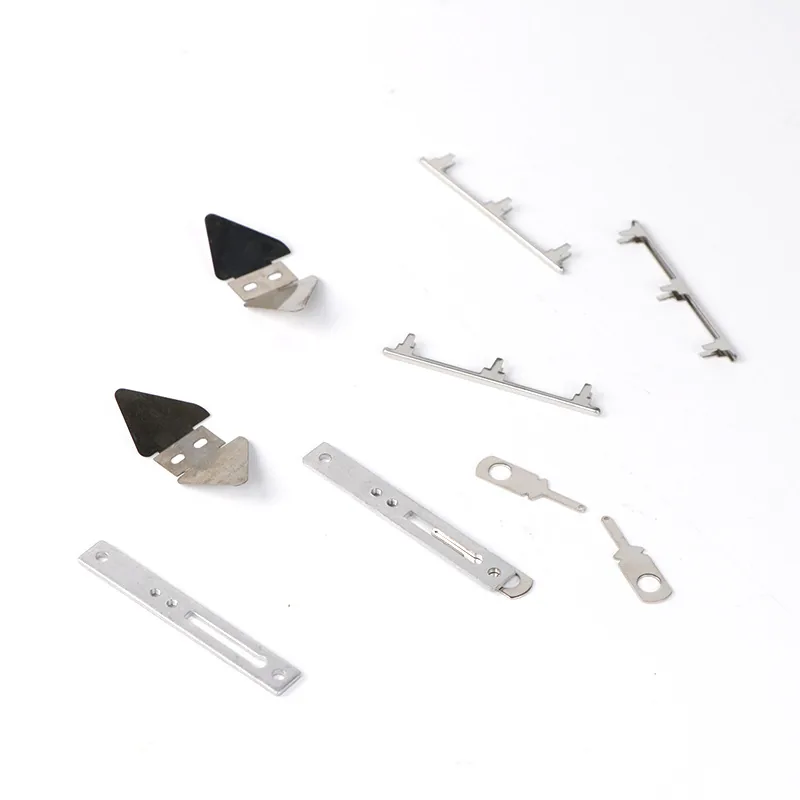
Finishes are physical process steps. They can influence a dimension, a contact surface, the fit of a thread, the behavior of a press-fit feature or the clearance of a mating component. The degree and relevance depend on the process and the part. Buyers should therefore identify critical interfaces early and ask for a review of the proposed finish sequence. Do not specify a tight fit and an unspecified coating on the same feature without confirming how they work together.
Pay special attention to holes, slots, threads, locating tabs, folded seams, sliding faces, electrical contacts and areas that receive hardware. A finish may need to cover these features, avoid them, or be followed by another operation. The correct decision depends on the drawing and application. In a finished assembly, a small dimensional effect may be irrelevant on one face and critical on another. Mark those differences in the technical package.
For stamped parts with critical geometry, material and finish should be discussed alongside tolerance expectations. Read our metal stamping tolerances guide before copying generic tolerance claims into an RFQ. A project-specific review is more reliable than asking for an unsupported universal precision level.
Define Visible-Surface and Cosmetic Requirements Clearly
Some components have an exposed face; others are hidden inside an assembly. Treating both with the same cosmetic expectation can add unnecessary cost or create unclear acceptance decisions. Identify which side is customer-visible, which side is functional and which areas will be covered after assembly. If the appearance matters, provide a written description or approved sample reference for gloss, texture, color, grain direction, mark tolerance or other relevant feature.
Do not rely on vague words such as “beautiful,” “perfect,” “premium,” or “no defects.” Those terms do not tell a supplier which condition is unacceptable. A more actionable note might identify the visible face and state that it should be free from obvious handling marks under the agreed review condition. The exact acceptance language should match the buyer’s product and quality system. A physical approved sample is often useful where cosmetic expectations are difficult to communicate with text alone.
Review Samples and Inspection Requirements Before Production
A sample or first article can help confirm the formed geometry, surface appearance, edge treatment and assembly relationship before a production decision. The sample should be tied to the latest drawing revision and the actual requirement being reviewed. If it was made by a prototype route rather than the proposed production route, make that distinction visible. A prototype can be valuable, but it should not silently become proof of every later production condition.
Define what the buyer needs to review: overall appearance, key dimensions, finish coverage, masked areas, edge condition, material or finish documents where agreed, and any project-specific functional check. If a deviation appears, identify it clearly and record the decision before release. Our metal stamping first article inspection guide gives a practical structure for this conversation.
The goal is not to demand a maximum amount of paperwork. It is to make the release decision traceable. A simple clip may need a visual and fit review, while a more controlled component may need a detailed report. Match the inspection effort to the part’s function, assembly risk and buyer requirement.
Common Purchasing Mistakes to Avoid
Choosing by appearance only
A photo cannot define the material, finish route, coverage, masking or performance requirement for the current project.
Leaving finish until after quotation
A late finish decision can change cost, process sequence, packaging and assembly fit.
Ignoring critical interfaces
Threads, holes, contact points and mating faces need explicit notes when surface layers matter.
Using untestable claims
Avoid generic promises about corrosion, durability or cosmetic perfection without a defined requirement and evidence.
Another frequent mistake is treating the whole part as one visual class. A bracket may have a visible front face, hidden rear face, functional mounting hole and a contact point that all need different notes. A controlled drawing can distinguish them. The same principle applies to packaging: a finish-sensitive visible surface may need protection during transport, while an internal hardware part may need only practical identification and quantity control.
Use the metal stamping RFQ checklist to prepare the drawing, finish requirement, quantity, packaging need and application notes before you request pricing. For drawing-based brackets, clips and other components, see the Custom Hardware Parts category for related product context.
Coordinate Finish Selection With Packaging and Receiving
Surface condition can change after the finished part leaves the supplier. Packaging should therefore be part of the finish discussion, particularly when parts have visible faces, polished areas, thin formed tabs or surfaces that can rub together in transit. State whether parts need separation, protective film, bags, dividers, quantity labels or a specific orientation. The appropriate method depends on the part geometry, finish sensitivity, transport route and receiving process. It should be confirmed for the order rather than assumed from a product image.
Receiving teams also benefit from clear identification. A label can connect the carton or bag to the part number, drawing revision, finish description, quantity and order reference that the buyer and supplier have agreed to use. This does not require unsupported traceability claims. Its purpose is practical: the incoming team should be able to identify the part and compare it with the documents used during approval. When multiple finishes or visual classes exist for closely related parts, clear identification can prevent a mix-up at assembly.
Before release, ask one final question: how will the receiving team judge the finish? If the answer is “by comparing it with the approved sample,” record that sample reference. If the answer is “by the current drawing and written visual note,” make sure those documents are attached to the purchase record. A finish requirement is most useful when the supplier, buyer and receiving team can all interpret it the same way.
For repeat orders, keep the approved finish language and drawing revision under change control. If the base material, finish supplier, coverage requirement, packaging method or cosmetic expectation changes, review the change before it reaches production. This simple discipline helps prevent a new batch from being evaluated against an old sample or an informal email instruction. It also gives purchasing teams a clearer basis for quote comparison and supplier communication.
Frequently Asked Questions
What is the best surface finish for stamped steel parts?
The suitable finish depends on the steel grade, environment, appearance need, assembly interfaces and drawing requirement. Define the application and request a project-specific review rather than relying on one default finish.
Should finish be specified before requesting a quote?
Yes. If finish affects corrosion, appearance, fit, packaging or process sequence, include it in the RFQ. Unknown items should be marked for confirmation.
Can a coating affect hole sizes or threads?
It can affect certain interfaces depending on the route and part geometry. Identify critical holes, threads, contacts and mating features so the proposed process can be reviewed.
Can stainless steel parts still need a surface requirement?
Yes. Material grade, visible appearance, cleaning, brushing, polishing, passivation or other project requirements should be specified separately where they matter.
How do I define an acceptable cosmetic finish?
Identify the visible face, provide a written requirement or approved reference where possible, and describe the review condition. Avoid vague terms that cannot be consistently evaluated.
Request a Surface Finish Review for Custom Stamped Parts
Youjia Metals can review drawings for custom stamped brackets, clips, plates and related hardware components. Send the latest drawing revision, base material, operating environment, finish objective, visible-face notes, key interfaces, quantity and packaging requirement through our contact form. The final material, finishing route and inspection content should be confirmed for the specific project.