
Metal Stamping Burrs and Edge Conditions: Buyer Specification Guide
A practical guide for sourcing custom stamped parts when edge direction, deburring, visible surfaces, wiring paths or assembly contacts need clear requirements.
1. What a burr is
A burr is an edge condition created when material is cut, pierced, blanked or otherwise separated. It should be discussed in terms of the actual application rather than treated as a universal defect. Buyers should identify whether the requirement concerns appearance, fit, operator handling or a particular mating interface. That distinction keeps a metal stamping edge-condition request practical. It also avoids asking a supplier to infer the intended result from a generic word such as “smooth” or “clean.”
Show the relevant feature on the current drawing revision. When available, include a formed view, assembly image or mating-part reference. State which face is important and whether the part is inspected before or after a later operation. A supplier can then review the material, thickness, geometry and proposed process against the information that matters to the project.
Metal stamping burrs are best controlled through clear communication. The appropriate acceptance condition depends on the part and its use. If a requirement is not yet confirmed, label it for technical review rather than inventing a fixed limit. This protects both the buyer and the supplier from making an unsupported promise.
For repeat orders, keep the approved note with the released drawing and sample record. If the design changes, identify the affected edge and ask for a revision review. This creates a traceable path from initial RFQ through prototype confirmation and later production supply.
2. Why edge direction matters
The relevant side can depend on assembly, handling, a visible face, a sealing interface, a cable path or contact with a mating component. Buyers should identify whether the requirement concerns appearance, fit, operator handling or a particular mating interface. That distinction keeps a metal stamping edge-condition request practical. It also avoids asking a supplier to infer the intended result from a generic word such as “smooth” or “clean.”
Show the relevant feature on the current drawing revision. When available, include a formed view, assembly image or mating-part reference. State which face is important and whether the part is inspected before or after a later operation. A supplier can then review the material, thickness, geometry and proposed process against the information that matters to the project.
Metal stamping burrs are best controlled through clear communication. The appropriate acceptance condition depends on the part and its use. If a requirement is not yet confirmed, label it for technical review rather than inventing a fixed limit. This protects both the buyer and the supplier from making an unsupported promise.
For repeat orders, keep the approved note with the released drawing and sample record. If the design changes, identify the affected edge and ask for a revision review. This creates a traceable path from initial RFQ through prototype confirmation and later production supply.
3. Start with the part function
A drawing note should explain what the edge touches and why that interaction matters. Functional context helps a supplier review the requirement. Buyers should identify whether the requirement concerns appearance, fit, operator handling or a particular mating interface. That distinction keeps a metal stamping edge-condition request practical. It also avoids asking a supplier to infer the intended result from a generic word such as “smooth” or “clean.”
Show the relevant feature on the current drawing revision. When available, include a formed view, assembly image or mating-part reference. State which face is important and whether the part is inspected before or after a later operation. A supplier can then review the material, thickness, geometry and proposed process against the information that matters to the project.
Metal stamping burrs are best controlled through clear communication. The appropriate acceptance condition depends on the part and its use. If a requirement is not yet confirmed, label it for technical review rather than inventing a fixed limit. This protects both the buyer and the supplier from making an unsupported promise.
For repeat orders, keep the approved note with the released drawing and sample record. If the design changes, identify the affected edge and ask for a revision review. This creates a traceable path from initial RFQ through prototype confirmation and later production supply.
4. Pierced holes and slots
A hole or slot may receive a screw, pin, wire, connector or tab. The drawing should show its reference and the finished orientation. Buyers should identify whether the requirement concerns appearance, fit, operator handling or a particular mating interface. That distinction keeps a metal stamping edge-condition request practical. It also avoids asking a supplier to infer the intended result from a generic word such as “smooth” or “clean.”
Show the relevant feature on the current drawing revision. When available, include a formed view, assembly image or mating-part reference. State which face is important and whether the part is inspected before or after a later operation. A supplier can then review the material, thickness, geometry and proposed process against the information that matters to the project.
Metal stamping burrs are best controlled through clear communication. The appropriate acceptance condition depends on the part and its use. If a requirement is not yet confirmed, label it for technical review rather than inventing a fixed limit. This protects both the buyer and the supplier from making an unsupported promise.
For repeat orders, keep the approved note with the released drawing and sample record. If the design changes, identify the affected edge and ask for a revision review. This creates a traceable path from initial RFQ through prototype confirmation and later production supply.
5. Blanked outer edges
Outer contours can be internal, visible, handled by an operator or located next to another component. Those uses require different review questions. Buyers should identify whether the requirement concerns appearance, fit, operator handling or a particular mating interface. That distinction keeps a metal stamping edge-condition request practical. It also avoids asking a supplier to infer the intended result from a generic word such as “smooth” or “clean.”
Show the relevant feature on the current drawing revision. When available, include a formed view, assembly image or mating-part reference. State which face is important and whether the part is inspected before or after a later operation. A supplier can then review the material, thickness, geometry and proposed process against the information that matters to the project.
Metal stamping burrs are best controlled through clear communication. The appropriate acceptance condition depends on the part and its use. If a requirement is not yet confirmed, label it for technical review rather than inventing a fixed limit. This protects both the buyer and the supplier from making an unsupported promise.
For repeat orders, keep the approved note with the released drawing and sample record. If the design changes, identify the affected edge and ask for a revision review. This creates a traceable path from initial RFQ through prototype confirmation and later production supply.
6. Bends near cut features
A hole or slot close to a formed area should be reviewed as part of the finished component, not only from the flat pattern. Buyers should identify whether the requirement concerns appearance, fit, operator handling or a particular mating interface. That distinction keeps a metal stamping edge-condition request practical. It also avoids asking a supplier to infer the intended result from a generic word such as “smooth” or “clean.”
Show the relevant feature on the current drawing revision. When available, include a formed view, assembly image or mating-part reference. State which face is important and whether the part is inspected before or after a later operation. A supplier can then review the material, thickness, geometry and proposed process against the information that matters to the project.
Metal stamping burrs are best controlled through clear communication. The appropriate acceptance condition depends on the part and its use. If a requirement is not yet confirmed, label it for technical review rather than inventing a fixed limit. This protects both the buyer and the supplier from making an unsupported promise.
For repeat orders, keep the approved note with the released drawing and sample record. If the design changes, identify the affected edge and ask for a revision review. This creates a traceable path from initial RFQ through prototype confirmation and later production supply.
7. Visible and cosmetic faces
Mark the surface that is seen by the end user. State whether a minor edge condition affects appearance or is hidden after assembly. Buyers should identify whether the requirement concerns appearance, fit, operator handling or a particular mating interface. That distinction keeps a metal stamping edge-condition request practical. It also avoids asking a supplier to infer the intended result from a generic word such as “smooth” or “clean.”
Show the relevant feature on the current drawing revision. When available, include a formed view, assembly image or mating-part reference. State which face is important and whether the part is inspected before or after a later operation. A supplier can then review the material, thickness, geometry and proposed process against the information that matters to the project.
Metal stamping burrs are best controlled through clear communication. The appropriate acceptance condition depends on the part and its use. If a requirement is not yet confirmed, label it for technical review rather than inventing a fixed limit. This protects both the buyer and the supplier from making an unsupported promise.
For repeat orders, keep the approved note with the released drawing and sample record. If the design changes, identify the affected edge and ask for a revision review. This creates a traceable path from initial RFQ through prototype confirmation and later production supply.
8. Edges that contact wiring
If an edge is near a wire, cable, hose or soft mating material, identify the contact path and the actual protection expectation. Buyers should identify whether the requirement concerns appearance, fit, operator handling or a particular mating interface. That distinction keeps a metal stamping edge-condition request practical. It also avoids asking a supplier to infer the intended result from a generic word such as “smooth” or “clean.”
Show the relevant feature on the current drawing revision. When available, include a formed view, assembly image or mating-part reference. State which face is important and whether the part is inspected before or after a later operation. A supplier can then review the material, thickness, geometry and proposed process against the information that matters to the project.
Metal stamping burrs are best controlled through clear communication. The appropriate acceptance condition depends on the part and its use. If a requirement is not yet confirmed, label it for technical review rather than inventing a fixed limit. This protects both the buyer and the supplier from making an unsupported promise.
For repeat orders, keep the approved note with the released drawing and sample record. If the design changes, identify the affected edge and ask for a revision review. This creates a traceable path from initial RFQ through prototype confirmation and later production supply.
9. Deburring language
Use clear language such as deburr where required, identify the face, and describe the interface. Do not claim an unverified numeric result. Buyers should identify whether the requirement concerns appearance, fit, operator handling or a particular mating interface. That distinction keeps a metal stamping edge-condition request practical. It also avoids asking a supplier to infer the intended result from a generic word such as “smooth” or “clean.”
Show the relevant feature on the current drawing revision. When available, include a formed view, assembly image or mating-part reference. State which face is important and whether the part is inspected before or after a later operation. A supplier can then review the material, thickness, geometry and proposed process against the information that matters to the project.
Metal stamping burrs are best controlled through clear communication. The appropriate acceptance condition depends on the part and its use. If a requirement is not yet confirmed, label it for technical review rather than inventing a fixed limit. This protects both the buyer and the supplier from making an unsupported promise.
For repeat orders, keep the approved note with the released drawing and sample record. If the design changes, identify the affected edge and ask for a revision review. This creates a traceable path from initial RFQ through prototype confirmation and later production supply.
10. Secondary operations
Finishing, plating, coating, assembly and packaging can change how an edge requirement should be considered. Include them in the request. Buyers should identify whether the requirement concerns appearance, fit, operator handling or a particular mating interface. That distinction keeps a metal stamping edge-condition request practical. It also avoids asking a supplier to infer the intended result from a generic word such as “smooth” or “clean.”
Show the relevant feature on the current drawing revision. When available, include a formed view, assembly image or mating-part reference. State which face is important and whether the part is inspected before or after a later operation. A supplier can then review the material, thickness, geometry and proposed process against the information that matters to the project.
Metal stamping burrs are best controlled through clear communication. The appropriate acceptance condition depends on the part and its use. If a requirement is not yet confirmed, label it for technical review rather than inventing a fixed limit. This protects both the buyer and the supplier from making an unsupported promise.
For repeat orders, keep the approved note with the released drawing and sample record. If the design changes, identify the affected edge and ask for a revision review. This creates a traceable path from initial RFQ through prototype confirmation and later production supply.
11. Inspection priorities
Check the interfaces that control function, including mating holes, handling surfaces and visible faces. Do not make every dimension critical without reason. Buyers should identify whether the requirement concerns appearance, fit, operator handling or a particular mating interface. That distinction keeps a metal stamping edge-condition request practical. It also avoids asking a supplier to infer the intended result from a generic word such as “smooth” or “clean.”
Show the relevant feature on the current drawing revision. When available, include a formed view, assembly image or mating-part reference. State which face is important and whether the part is inspected before or after a later operation. A supplier can then review the material, thickness, geometry and proposed process against the information that matters to the project.
Metal stamping burrs are best controlled through clear communication. The appropriate acceptance condition depends on the part and its use. If a requirement is not yet confirmed, label it for technical review rather than inventing a fixed limit. This protects both the buyer and the supplier from making an unsupported promise.
For repeat orders, keep the approved note with the released drawing and sample record. If the design changes, identify the affected edge and ask for a revision review. This creates a traceable path from initial RFQ through prototype confirmation and later production supply.
12. Drawing revisions
If a changed feature affects an edge, bend or contact point, issue a controlled revision and ask for a review before release. Buyers should identify whether the requirement concerns appearance, fit, operator handling or a particular mating interface. That distinction keeps a metal stamping edge-condition request practical. It also avoids asking a supplier to infer the intended result from a generic word such as “smooth” or “clean.”
Show the relevant feature on the current drawing revision. When available, include a formed view, assembly image or mating-part reference. State which face is important and whether the part is inspected before or after a later operation. A supplier can then review the material, thickness, geometry and proposed process against the information that matters to the project.
Metal stamping burrs are best controlled through clear communication. The appropriate acceptance condition depends on the part and its use. If a requirement is not yet confirmed, label it for technical review rather than inventing a fixed limit. This protects both the buyer and the supplier from making an unsupported promise.
For repeat orders, keep the approved note with the released drawing and sample record. If the design changes, identify the affected edge and ask for a revision review. This creates a traceable path from initial RFQ through prototype confirmation and later production supply.
13. RFQ preparation
Provide the drawing, material preference, application, quantity, finish, packing needs and edge-related acceptance priorities. Buyers should identify whether the requirement concerns appearance, fit, operator handling or a particular mating interface. That distinction keeps a metal stamping edge-condition request practical. It also avoids asking a supplier to infer the intended result from a generic word such as “smooth” or “clean.”
Show the relevant feature on the current drawing revision. When available, include a formed view, assembly image or mating-part reference. State which face is important and whether the part is inspected before or after a later operation. A supplier can then review the material, thickness, geometry and proposed process against the information that matters to the project.
Metal stamping burrs are best controlled through clear communication. The appropriate acceptance condition depends on the part and its use. If a requirement is not yet confirmed, label it for technical review rather than inventing a fixed limit. This protects both the buyer and the supplier from making an unsupported promise.
For repeat orders, keep the approved note with the released drawing and sample record. If the design changes, identify the affected edge and ask for a revision review. This creates a traceable path from initial RFQ through prototype confirmation and later production supply.
14. From sample to production
Record what the sample was intended to prove, the revision tested and any open questions before a repeat supply plan is agreed. Buyers should identify whether the requirement concerns appearance, fit, operator handling or a particular mating interface. That distinction keeps a metal stamping edge-condition request practical. It also avoids asking a supplier to infer the intended result from a generic word such as “smooth” or “clean.”
Show the relevant feature on the current drawing revision. When available, include a formed view, assembly image or mating-part reference. State which face is important and whether the part is inspected before or after a later operation. A supplier can then review the material, thickness, geometry and proposed process against the information that matters to the project.
Metal stamping burrs are best controlled through clear communication. The appropriate acceptance condition depends on the part and its use. If a requirement is not yet confirmed, label it for technical review rather than inventing a fixed limit. This protects both the buyer and the supplier from making an unsupported promise.
For repeat orders, keep the approved note with the released drawing and sample record. If the design changes, identify the affected edge and ask for a revision review. This creates a traceable path from initial RFQ through prototype confirmation and later production supply.
Specification table for buyer RFQs
| Information | Why it helps |
|---|---|
| Drawing revision and marked edge | Connects the request to one controlled feature. |
| Application and mating part | Explains whether the edge affects fit, handling or appearance. |
| Material and finish direction | Provides context for the supplier review. |
| Visible face or contact face | Identifies the relevant side of the component. |
| Quantity and sample requirement | Clarifies the purchasing stage and approval plan. |
Use the metal stamping RFQ checklist and our holes, slots and bends guide to prepare the drawing package. For sample approval, review the prototype versus production guide.
Frequently Asked Questions
Should every stamped edge be deburred?
No. The requirement should follow the application. Identify edges that affect handling, assembly, appearance, wires, seals or a mating part, then request a review of the actual drawing.
How should I specify a burr direction?
Mark the relevant face and explain why it matters. Include a formed view where the finished orientation affects the interface.
Can a prototype confirm edge requirements?
Yes, when the sample objective and drawing revision are recorded. Review the sample in its intended assembly context and document any change before production release.
What should I send for an edge-condition RFQ?
Send the current drawing, material or operating environment, application, quantity, critical interfaces, finish and the edge-related acceptance priorities.
Request a Custom Stamping Edge Review
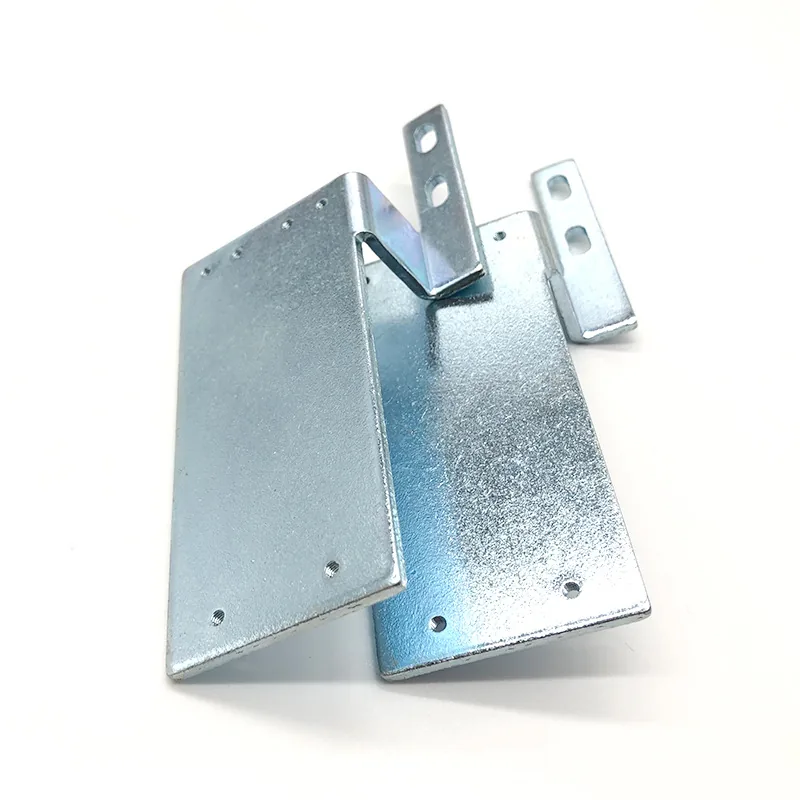
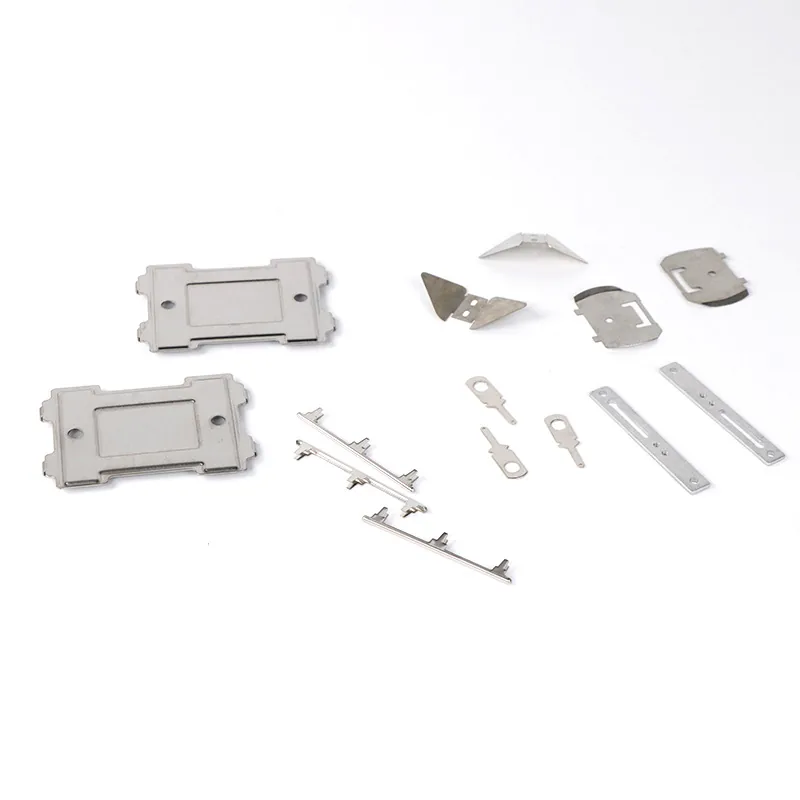
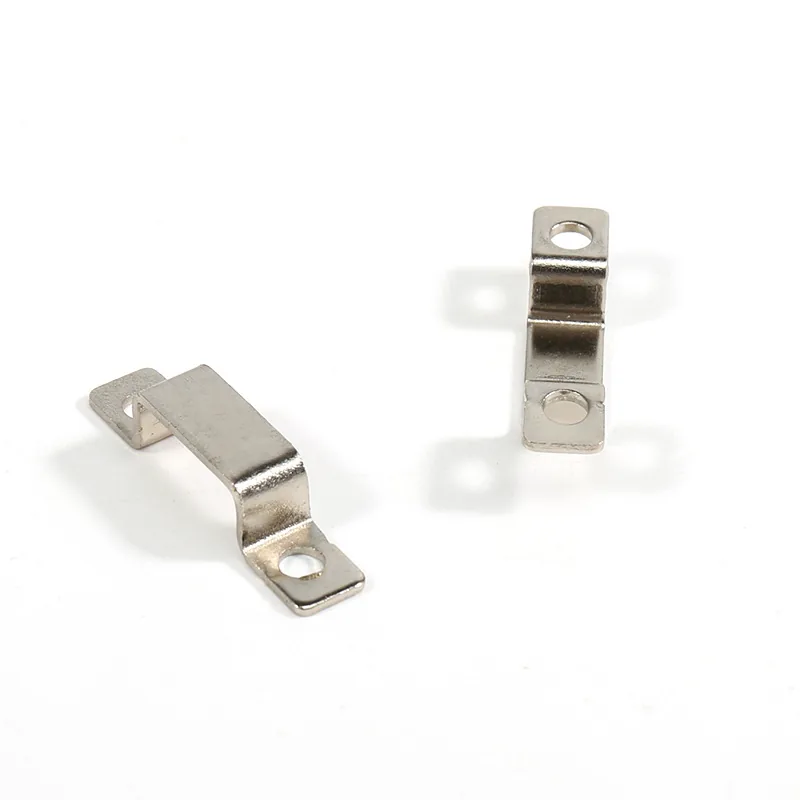
Send the drawing, application, material preference, quantity and the edge or interface that matters. We can review the information for custom brackets, clips, straps and other drawing-based hardware components.