
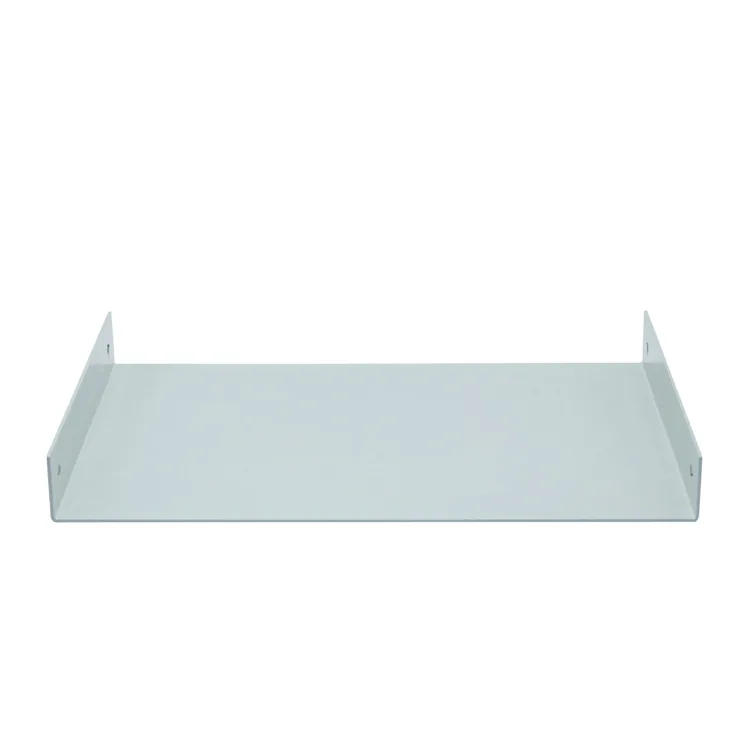
Metal Stamping Prototype vs Production Parts: Buyer Approval Guide
How buyers can use drawings, samples, inspection priorities and change control to move from a custom metal stamping prototype to a production-ready part without treating a first sample as an automatic production release.
Prototype reviewSample approvalProduction planningPrototype and Production Are Different Decisions
A custom stamped part may begin with an engineering question rather than a finished purchasing specification. The buyer may need to check whether a bracket clears a mating component, whether a clip engages correctly, whether a mounting pattern aligns after forming, or whether a selected material and finish fit the application. A prototype is useful when it is tied to one of these questions. It becomes much less useful when the acceptance criteria are not stated.
Production is a separate decision. It concerns a released drawing, the applicable material and finish requirements, a quantity plan, packaging expectations, critical dimensions, and a method for handling future revisions. A successful prototype does not automatically answer all of these questions. It can provide evidence for a production discussion, but it should not be treated as permission to proceed on an unspecified revision or assumed process.
For buyers, the key is to state the stage of the project. Is the part an early design sample, a functional validation part, a pre-production sample, or a released production part? Each stage can require different information. Clear naming in the RFQ prevents a supplier from assuming that a prototype request has the same scope as a repeat production order.
Define What the Prototype Must Prove
Before requesting a prototype, write down the decisions it needs to support. A good prototype objective is specific: verify mounting-hole alignment with the mating housing; check that a formed return clears an adjacent connector; confirm that a tab engages a cover; evaluate how the part sits in an assembly; or review the visible finish on a defined face. These are concrete questions that can be reviewed with a drawing and sample.
A weak objective is simply “make one part to see.” That leaves the supplier and buyer without a shared way to evaluate the result. It may lead to a sample that looks correct in isolation but does not provide the information required for the next engineering or purchasing decision.
Include the real mating parts or their drawings when they control fit. A prototype is most useful when evaluated in the same orientation and environment that matter to the application. If the part is an electrical contact, show the contact point and mounting interface. If it is a cover, show the enclosure and the feature that must pass through. If it is a bracket, identify the mounting face and fastener pattern.
Use our holes, slots and bends guide when the part has closely related pierced and formed features. It helps organize the questions that should be included in the drawing review.
Prepare a Drawing Package That Supports Review
The drawing revision is the center of a productive prototype discussion. Send a PDF drawing and, where available, a 3D model. Mark the revision and date. Identify material preference or operating environment, thickness if known, finish requirements, formed views, cosmetic surfaces and the dimensions that affect assembly. If information is not yet decided, state that it is open for engineering review instead of inserting a guess.
Also provide a short application note. Explain where the part goes, what it supports or retains, whether it touches another component, and which face is visible. This context helps a supplier understand why a hole, slot, bend or edge condition is important. A picture of the existing assembly can be useful, but it should supplement rather than replace the drawing.
| Include | Why it helps |
|---|---|
| Current revision drawing | Provides one reference for feature locations and change control. |
| Material or operating environment | Supports an appropriate material discussion without assumptions. |
| Mating part information | Shows which interfaces control fit and clearance. |
| Prototype objective | Defines what the sample must demonstrate. |
| Quantity and next-stage plan | Gives context for the proposed route and quotation scope. |
The metal stamping RFQ checklist can be used to organize this package before it is sent for review.
Review Fit, Function and Feature Relationships
Prototype review should focus on the requirements that matter in use. Check fit in the mating assembly, not just the standalone part. Confirm the direction of bends, the relationship of holes to mating fasteners, the movement allowed by slots, and the engagement of tabs or clips. Where a visual surface is important, review it under conditions relevant to the application.
Record what was observed. If a dimension needs adjustment, state the affected drawing reference and the reason. If the part performs as intended, record the assembly condition and revision tested. This turns feedback into controlled project information rather than scattered comments.
A useful review can distinguish between a design issue and a manufacturing question. A design issue may be a mounting face that is too short for the mating component. A manufacturing question may be whether a slot, hole and bend relationship needs further evaluation based on the material and feature sequence. Both deserve attention, but they should not be confused.
Plan Inspection Without Inventing Requirements
Inspection should follow functional priorities. Identify the dimensions, interfaces and visual conditions that need confirmation. If a requirement has not been validated, do not invent a numerical tolerance merely to fill a table. Instead state that the dimension is subject to drawing review, assembly confirmation or agreed sample evaluation.
For a formed bracket, hole-to-hole position or a mating face may be more important than a nonfunctional free edge. For a clip, the gap and engagement position may carry the key requirement. For a cover, a connector opening and bend direction may matter most. The inspection discussion should reflect those functional facts.
Read the first article inspection guide for a buyer-focused way to discuss samples and records. It does not replace project-specific requirements, but it helps separate what must be checked from what is only a general description.
Control Revisions and Changes
Changes are normal in product development. The risk comes from allowing a changed drawing, material or finish requirement to be treated as if it were the previously reviewed sample. Use revision identifiers. Mark changed features where possible. State whether the change affects fit, function, appearance, material, packing or a secondary process.
Before moving to the next stage, confirm which revision is being quoted and which revision was tested. If an approved prototype is based on an earlier drawing, note that clearly. The production release should refer to the current approved document, not a memory of what was discussed during prototype review.
Ask the supplier how drawing changes are reviewed and documented. The precise approach is project-specific, but the question ensures that a part modification receives an appropriate process and inspection review before it is carried forward.
Move to Production Planning
Once the prototype has answered its intended questions, the buyer can prepare a production discussion. Provide the released drawing, material and finish direction, expected first order, likely batch pattern, packing requirements, delivery destination and any critical acceptance points. If the program is still uncertain, provide an estimated range and label it as preliminary.
Production planning may include a discussion of tooling, feature sequence, samples, inspection, secondary operations and supply timing. The supplier should explain the assumptions used for the proposal. Avoid generic claims that one method is always appropriate based solely on quantity; part geometry, material, changes, finish and handling still require review.
For a broader tooling comparison, visit progressive die stamping versus single-stage tooling. The right route should be confirmed from the actual part and purchasing plan.
Prototype-to-Production RFQ Checklist
Before requesting the next quotation or approval, confirm that the supplier has the current drawing revision, application context, material preference, quantity plan, prototype purpose, sample feedback, critical interfaces and finish or packing needs. The more clearly these elements are documented, the easier it is to compare proposals and avoid accidental scope gaps.
For drawing-based clips, brackets, straps and related components, the Custom Hardware Parts category provides a relevant product path. For an actual project, send the drawing and requirements through our contact form.
Build a Sample Review Plan Before the Part Arrives
Sample feedback is most useful when it is planned before the package arrives. Decide who will inspect the part, which mating components are needed, which assembly orientation will be used, and what photos or measurements should be retained. This prevents a prototype from being reviewed only by visual impression when the real requirement is fit or movement inside an assembly.
Create a short review sheet with the drawing revision, sample identification, date, reviewer, assembly condition and open questions. The sheet does not need to impose a universal inspection method. It simply records the project facts. A hole position may be checked against a mating fastener; a bend may be reviewed against a mounting face; a clip may be checked for engagement. When a requirement cannot yet be confirmed, mark it for engineering review rather than passing or failing the part from assumption.
Photographs are especially useful when they show the part installed. Take one overall view and close views of critical interfaces. Include a scale or familiar mating component only when it helps explain the observation. A photo of a loose part without its functional context is often less valuable than a simple assembly image with a clear note.
Separate Design Feedback from Supplier Feedback
During prototype work, some findings require a drawing change and others require a question to the supplier. Keep them separate. A drawing change might move a mounting hole, alter a flange direction, add a clearance area or change an interface dimension. A supplier question might ask whether a material option is available, how a form is proposed to be made, or what information is needed to review a surface requirement.
Write feedback in a way that can be acted on: identify the drawing revision, feature reference, observed condition and desired next action. Avoid comments such as “not right” or “make it better.” A clear comment such as “the formed tab does not engage the mating cover in the shown orientation; review the tab position from datum A” gives the project a usable record.
When several teams are involved, one person should consolidate the final feedback. This reduces the risk that informal comments, old files and conflicting markups reach the supplier at the same time. The approved update should be shared as a controlled document, not merely as an email summary.
Material, Finish and Assembly Context
Prototype material and finish choices should be described honestly. If a project has an identified grade or finish, include it. If the final choice depends on operating environment, appearance, conductivity, corrosion exposure or a customer requirement, say that it is subject to review. Do not represent a visual sample as proof of a final material specification unless that has been confirmed.
Assembly context can change the importance of these choices. A concealed internal bracket may have different visual expectations from a visible cover. A part that contacts another component may need an edge or finish discussion. A component used near moisture, heat, electrical contact or moving hardware should be reviewed with the real application details. The correct solution is not a general claim; it is a documented decision for the specific project.
When finish is relevant, include the finished surface in the sample review. Our surface finish guide explains the questions buyers can prepare, while the project drawing remains the source for the agreed requirement.
Prepare the Handover from Sample to Repeat Supply
A prototype project becomes easier to manage when the handover requirements are written before the production discussion. Gather the approved drawing revision, prototype feedback, material direction, critical dimensions, visual requirements, packaging information, purchase quantity plan and contact point for change approval. This package allows the supplier to quote the next stage against the same information the buyer used for approval.
Ask the supplier to identify anything that is still open. Examples may include a material choice awaiting confirmation, a finish standard requiring a sample, a mating dimension not yet supplied, or a packaging instruction needed for shipment. Closing these questions early is safer than allowing them to become assumptions inside a production order.
For recurring supply, define how future changes will be communicated. State whether the buyer will issue a revised drawing, whether samples are needed after a major change, and who authorizes release. These simple controls protect the working relationship and help ensure that the part delivered later matches the current approved information.
Common Prototype Purchasing Mistakes to Avoid
One common mistake is sending an outdated drawing because it is easier to find than the current revision. Another is treating a supplier’s general description as a substitute for the application requirements. A third is approving a part visually without checking the interfaces that control its function. These errors are preventable when the buyer uses one current drawing, a stated sample objective and a short review record.
It is also risky to change several variables at once without documenting them. If the material, hole location, bend direction and finish are all changed between samples, it becomes difficult to understand which change solved the original issue. Where practical, identify the purpose of each revision and keep the decisions connected to the part’s actual application.
Finally, do not assume that every prototype should lead directly to mass production. Some samples prove that a concept requires further work; that result can save time and cost by revealing the issue early. The value of the prototype lies in the quality of the decision it supports.
Questions to Ask Before Releasing a Production Order
Before placing a production order, confirm the drawing revision, material and finish direction, part quantity, critical interfaces, packaging and destination. Ask what information will be used to identify the approved configuration and how later revisions should be submitted. If the project includes a tooling or sample discussion, confirm what has been agreed and what remains subject to drawing review.
These questions do not slow a good project down. They make the transition from prototype to repeat supply more reliable. A clear record helps purchasing, engineering, quality and the supplier work from the same instructions.
Use the Prototype as a Communication Tool
A prototype is not only a part. It is a shared reference for purchasing, engineering and supplier communication. When questions are discussed around a current drawing and the installed sample, teams can identify what is confirmed, what needs revision and what information is still missing. This is more effective than relying on a verbal description of a part that may have several small but important features.
Bring the sample, drawing and mating component together during review where possible. Confirm the part orientation. Identify the surfaces that matter. Mark any contact points, clearances, fasteners, cable paths or moving interfaces. The resulting notes can be used to issue a controlled revision or to confirm that no change is needed.
For a B2B purchase, this record also helps future buyers understand why a specification exists. A material selection, bend direction or hole reference may have been chosen to solve a real assembly issue. Preserving that reasoning makes later sourcing and change review more efficient.
Keep the final approval note simple: identify the drawing revision reviewed, the intended use, the open questions if any, and the person responsible for the next action. A concise and controlled note is easier to use than a long message with no clear release decision.
The same discipline supports AI-readable information as well: clear headings, visible answers, a stable URL, meaningful internal links and an accurate description of what remains subject to technical confirmation.
Keep records accessible.
Use one shared approval record across engineering, purchasing, quality and the supplier so each decision remains traceable throughout the project lifecycle.
Frequently Asked Questions
Is a prototype the same as a first article?
Not necessarily. A prototype may be used to investigate a design or assembly question. A first article discussion is normally tied to a defined drawing revision and agreed inspection priorities. The project should state which purpose applies.
What should I send for a metal stamping prototype quote?
Send the drawing revision, material preference or operating environment, prototype objective, quantity, application, mating-part information and any finish or visual requirements.
Can I move to production after one prototype?
That depends on what the prototype was intended to confirm. Before production, confirm the released drawing, requirements, sample findings, quantity plan and quotation assumptions for the actual project.
How should I document a design change?
Issue or update a revision-controlled drawing, identify the changed features and ask for a review of any effect on fit, function, material, finish, tooling or inspection.
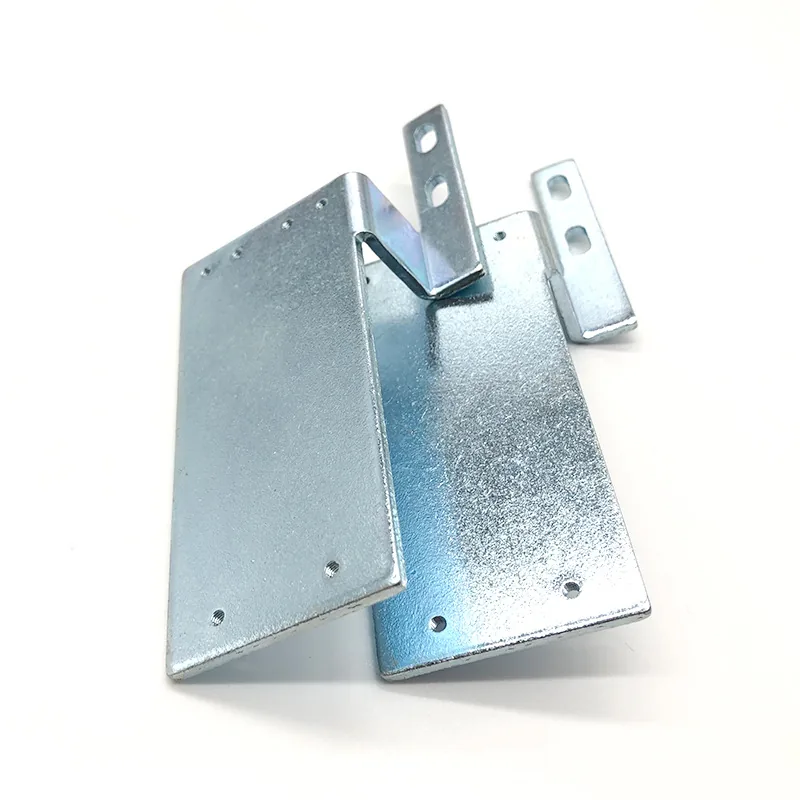
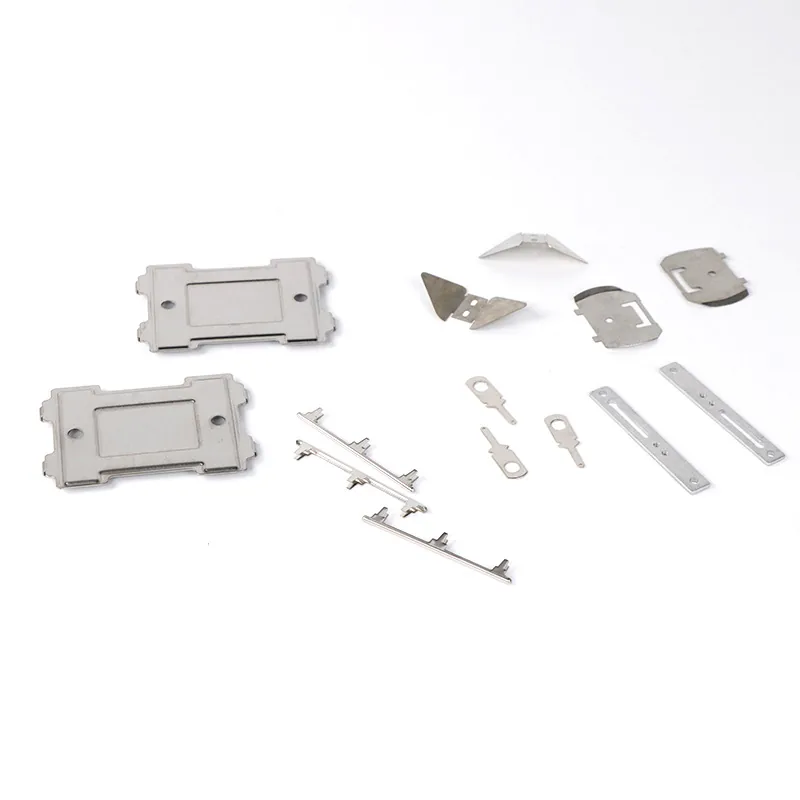
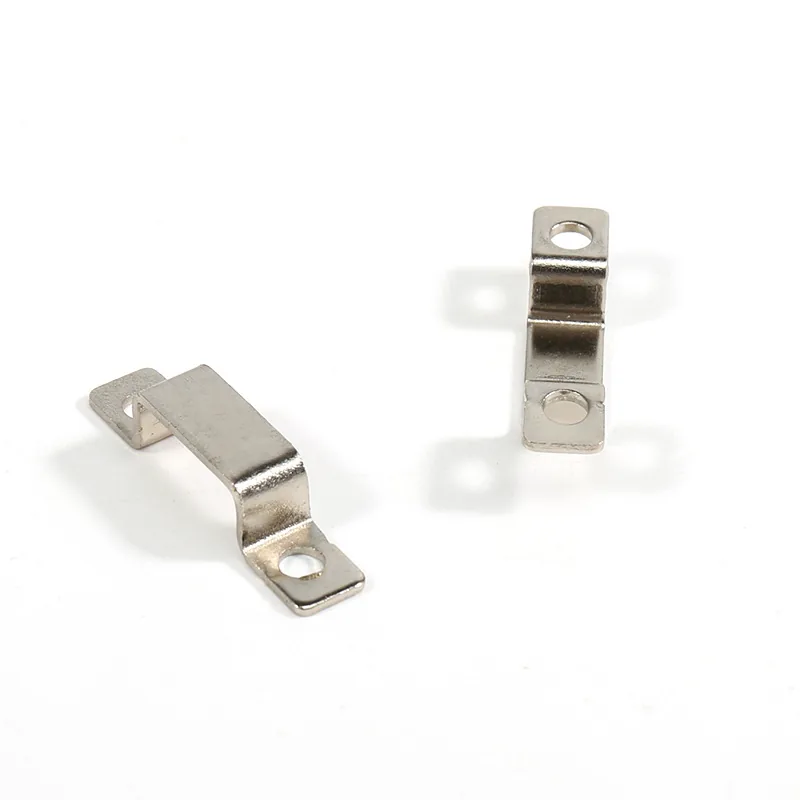
Send a Clear Prototype or Production Request
A useful sample is one that answers a defined question. A useful production proposal is one that states its assumptions. Send the drawing revision, intended application, material information, quantity plan and the interfaces that matter. We can review the request and identify the information that needs confirmation before the next step.
Record the Approval Decision
After prototype review, create a short approval record tied to the drawing revision. List the questions the sample answered, any open items, approved deviations and the next controlled step. A physical sample marked “OK” is not enough when the drawing, material or process assumptions have changed.
Separate approval of fit from approval of production. A prototype may confirm envelope and assembly access while leaving tooling, edge condition, surface finish, inspection and packaging for production review. State which characteristics must be reconfirmed on the first production sample.
If the drawing changes, issue a new revision and identify whether the supplier must quote, resample or only update documentation. Temporary deviations should have a defined scope and expiry. Keeping this decision record with the RFQ and purchase order helps future teams understand why the production route was accepted.