
Precision Metal Stamping for Automotive OEM Parts
High-precision precision metal stamping for automotive OEM parts. Manufacturing brackets, chassis components, and structural parts with custom fasteners using SS304, SS316, and carbon steel materials.
Introduction: Precision Requirements for Automotive Parts in OEM Manufacturing
The automotive industry represents one of the most demanding sectors for precision manufacturing. Original Equipment Manufacturers (OEMs) require component suppliers to meet stringent quality standards that ensure vehicle safety, performance, and reliability over the entire vehicle lifecycle. Precision metal stamping has emerged as a critical manufacturing technology for producing the high-volume, tight-tolerance components that modern automotive assembly demands.
Automotive OEM parts must satisfy multiple requirements simultaneously: dimensional precision measured in tenths of millimeters, consistency across millions of production units, structural integrity under dynamic loading conditions, corrosion resistance for 15+ year service life, and cost competitiveness in a price-sensitive industry. These requirements drive the adoption of advanced stamping technologies that can deliver precision and productivity at automotive production scales.
The IATF 16949 quality management standard, mandatory for automotive suppliers, establishes rigorous requirements for process control, defect prevention, and continuous improvement. Stamping operations for automotive OEM parts must demonstrate statistical process control, measurement system analysis, and production part approval processes (PPAP) that validate every aspect of component quality before production begins.
At Youjia Metals, we specialize in precision metal stamping for automotive OEM applications. Our IATF 16949 certified manufacturing facilities produce brackets, chassis components, structural parts, and custom fasteners that meet the exacting standards of Tier 1 automotive suppliers and OEMs worldwide.
Automotive Quality Context: Modern vehicles contain over 30,000 components, with stamped metal parts representing a significant portion of the vehicle’s weight and cost. A single stamping defect can halt an assembly line costing thousands of dollars per minute. Precision metal stamping for automotive applications demands process capabilities (Cpk) of 1.67 or higher — meaning defect rates below 0.6 parts per million.
Benefits of Precision Stamping for Automotive Applications
Precision metal stamping offers unique advantages that make it the preferred manufacturing method for high-volume automotive components. Understanding these benefits helps engineers and procurement professionals evaluate stamping against alternative manufacturing processes for their specific applications.
High Precision and Consistency
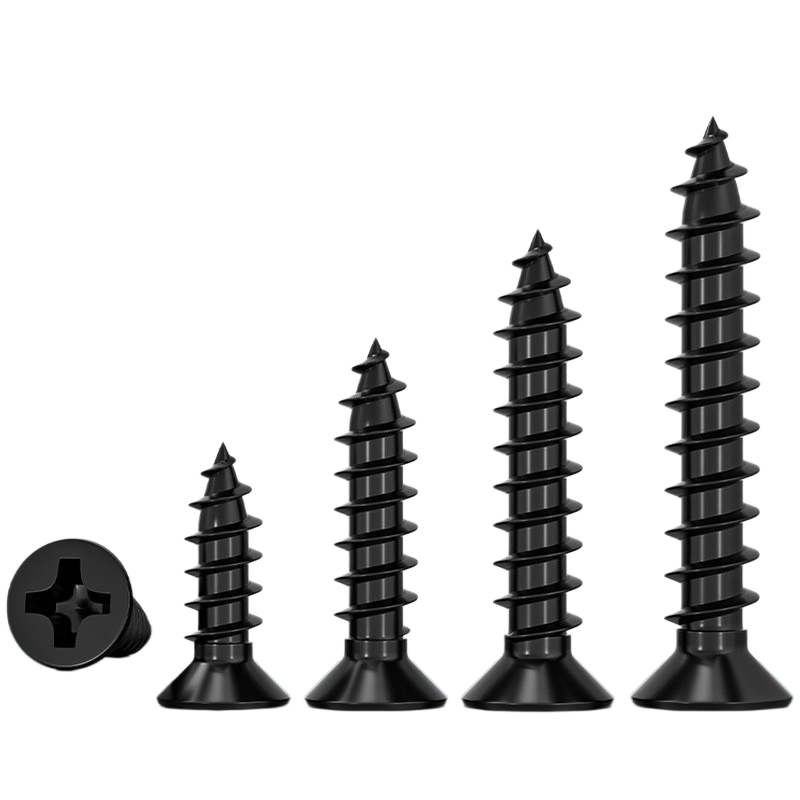
Modern precision stamping presses equipped with advanced die technology can achieve dimensional tolerances of ±0.05mm or tighter on critical features. Progressive dies with in-die sensors, servo-driven transfer mechanisms, and real-time process monitoring ensure that every part produced meets specification. This level of precision is essential for automotive components that must interface with automated assembly equipment and maintain fit and function throughout the vehicle’s service life.
The consistency of stamped parts extends beyond dimensional accuracy to include material properties, surface finish, and functional characteristics. Stamping work-hardens the material in a controlled manner, creating beneficial residual stress patterns that enhance fatigue resistance. The consistency of stamped parts enables statistical process control methods that predict and prevent quality issues before they affect production.
High-Volume Production Efficiency
Precision stamping delivers unmatched production rates for automotive manufacturing. A progressive die stamping press operating at 60-120 strokes per minute can produce 3,600 to 7,200 parts per hour — equivalent to weeks of CNC machining or fabrication output. This productivity enables just-in-time delivery to automotive assembly plants that require daily shipments of components synchronized to production schedules.
The efficiency of stamping extends to material utilization as well. Optimized strip layouts in progressive dies achieve material utilization rates of 75-95%, significantly higher than machining processes that remove material to create features. For high-volume automotive production, this material efficiency translates to substantial cost savings and reduced environmental impact.
Cost Competitiveness at Scale
While precision stamping requires significant upfront investment in tooling ($20,000 to $150,000+ depending on complexity), the per-part cost at automotive production volumes is exceptionally low. For components produced in quantities of 100,000+ units annually, stamped parts typically cost 50-80% less than equivalent machined or fabricated parts. This cost advantage is critical in the automotive industry where component costs are under constant pressure.
The total cost of ownership for stamped automotive parts includes not only piece price but also reduced inventory costs (due to rapid production capability), lower quality costs (due to consistency), and simplified supply chain management (single-source production versus multiple fabrication operations). When evaluated holistically, precision stamping delivers compelling economic advantages for high-volume automotive applications.
Design Flexibility Within Constraints
While stamping is often associated with simple shapes, modern precision stamping technology enables surprisingly complex geometries. Progressive dies can incorporate dozens of operations including cutting, bending, forming, coining, and in-die tapping or hardware insertion. Features such as embossed logos, functional ribs for stiffness, and integrated attachment points can be formed in the stamping process, reducing or eliminating secondary operations.
The constraint of stamping is the need for dedicated tooling, which means design changes after tooling commitment are costly. However, during the design phase, stamping engineers can optimize part geometry for manufacturability, often suggesting design modifications that improve part function while reducing production cost. This collaborative design-for-manufacturing approach is standard practice for automotive stamping programs.
Precision Stamping Advantages: Dimensional tolerances of ±0.05mm, production rates of 3,600+ parts/hour, material utilization of 75-95%, per-part costs 50-80% lower than machining at volume, and consistent quality suitable for automated assembly. These characteristics make precision metal stamping the dominant process for high-volume automotive OEM parts.
Common Automotive Stamping Parts
Precision stamping produces a wide range of components used throughout modern vehicles. Understanding the typical applications helps automotive engineers identify opportunities to leverage stamping for their component designs. The following sections detail the most common categories of stamped automotive OEM parts.
Brackets and Mounting Components
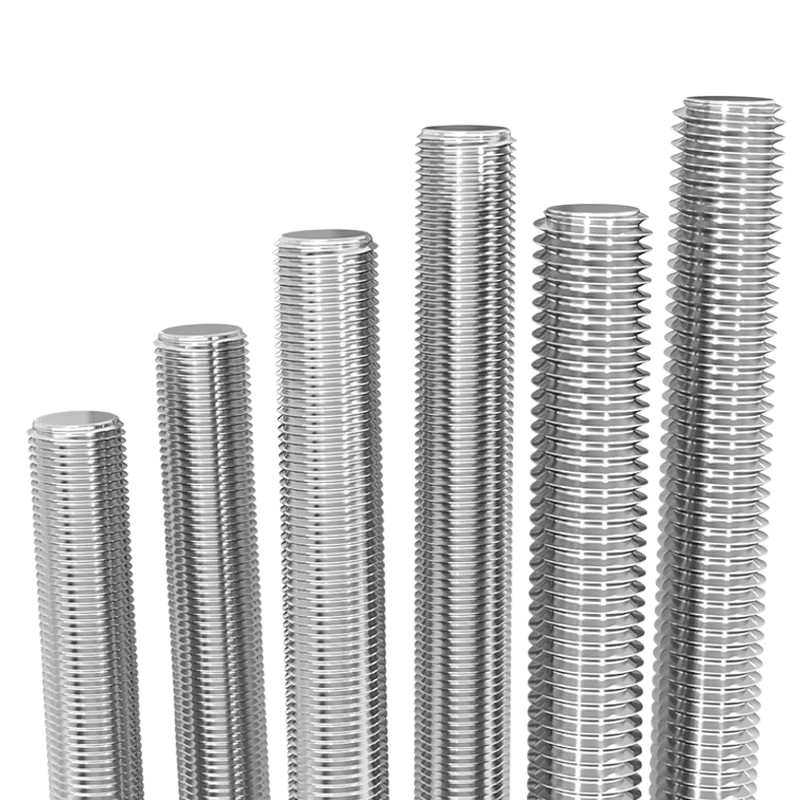
Brackets represent one of the highest-volume applications for precision stamping in automotive manufacturing. These components provide mounting points for virtually every system in the vehicle — engine mounts, transmission supports, exhaust hangers, fuel line clips, wiring harness retainers, and countless other attachment points. A typical vehicle contains 200-400 stamped brackets of various sizes and complexities.
Stamped brackets range from simple L-shaped mounting plates to complex multi-bend brackets with integrated features such as threaded nuts, cable retention clips, and alignment locators. Progressive die stamping enables production of complete brackets in a single press stroke, including all holes, bends, and formed features. The consistency of stamped brackets ensures proper fit during automated assembly and reliable performance under vehicle vibration and thermal cycling.
Materials for stamped brackets include mild steel for general applications, high-strength steel for structural brackets requiring enhanced load capacity, stainless steel for exhaust and underhood applications, and aluminum for weight-sensitive locations. Coatings and platings provide corrosion protection appropriate for each application environment.
Chassis and Structural Components
The vehicle chassis relies heavily on stamped components for structural integrity. Floor pans, frame rails, cross members, and suspension mounting points are produced using large stamping presses with dies that form complex three-dimensional shapes from sheet metal. These structural stampings must meet stringent strength and dimensional requirements to ensure vehicle safety and handling performance.
Advanced High-Strength Steel (AHSS) grades including dual-phase (DP), transformation-induced plasticity (TRIP), and complex-phase (CP) steels enable stamped structural components with strength levels of 600-1,500 MPa. These materials allow significant weight reduction compared to conventional steel while maintaining or improving crash performance. Precision stamping of AHSS requires specialized press equipment and die design to manage the higher forming forces and springback characteristics.
Structural stampings often incorporate custom fasteners or attachment features formed directly into the component. Nut plates, threaded studs, and alignment pins can be integrated into stamped structural parts, reducing assembly complexity and improving joint integrity.
Body and Closure Components
The vehicle body consists primarily of stamped panels — doors, hood, trunk lid, fenders, roof, and quarter panels are all produced using large stamping presses with dies that form these large, visible surfaces. Body panel stamping requires exceptional die quality and press control to achieve the surface finish and dimensional accuracy required for automotive appearance standards.
Inner body structural components including door impact beams, roof bows, and pillar reinforcements are also stamped products. These safety-critical components must meet exacting strength and dimensional requirements to ensure occupant protection in crash events. Stamping enables the complex shapes and variable thickness sections that optimize strength-to-weight ratios in these applications.
Underhood and Powertrain Components
The engine compartment contains numerous stamped components including heat shields, air cleaner housings, battery trays, and various covers and shields. These components must withstand elevated temperatures, vibration, and exposure to automotive fluids while maintaining their structural integrity and protective function.
Stamped heat shields protect sensitive components from exhaust system temperatures that can exceed 700°C. Multi-layer stamped shields with air gaps and reflective surfaces provide effective thermal insulation in compact packages. Stainless steel and aluminum are common materials for underhood stampings due to their temperature resistance and corrosion protection.
Transmission and drivetrain components including clutch housings, flywheel covers, and various shields and brackets are also produced by precision stamping. These components require tight dimensional control to ensure proper alignment and clearance with rotating machinery.
| Component Category | Typical Materials | Strength Requirements | Production Volume |
|---|---|---|---|
| Mounting Brackets | Mild steel, HSS | 200-600 MPa | 100K-1M+ / year |
| Structural Components | AHSS (DP, TRIP) | 600-1,500 MPa | 50K-500K / year |
| Body Panels | Mild steel, aluminum | 140-300 MPa | 100K-1M+ / year |
| Heat Shields | SS304, SS316, aluminum | 200-500 MPa | 50K-500K / year |
| Fasteners / Clips | Spring steel, SS304 | 1,000-2,000 MPa | 1M-10M+ / year |
Stamping Applications: Brackets (200-400 per vehicle), structural components (chassis, frame), body panels (doors, hood, fenders), underhood components (heat shields, housings), and custom fasteners (clips, retainers). Precision stamping serves virtually every system in the modern automobile.
Materials Used in Automotive Precision Stamping
Material selection for stamped automotive OEM parts balances performance requirements, cost constraints, manufacturability, and environmental considerations. The following materials represent the most common choices for automotive stamping applications, each selected for specific properties that match application requirements.
Carbon Steel Grades
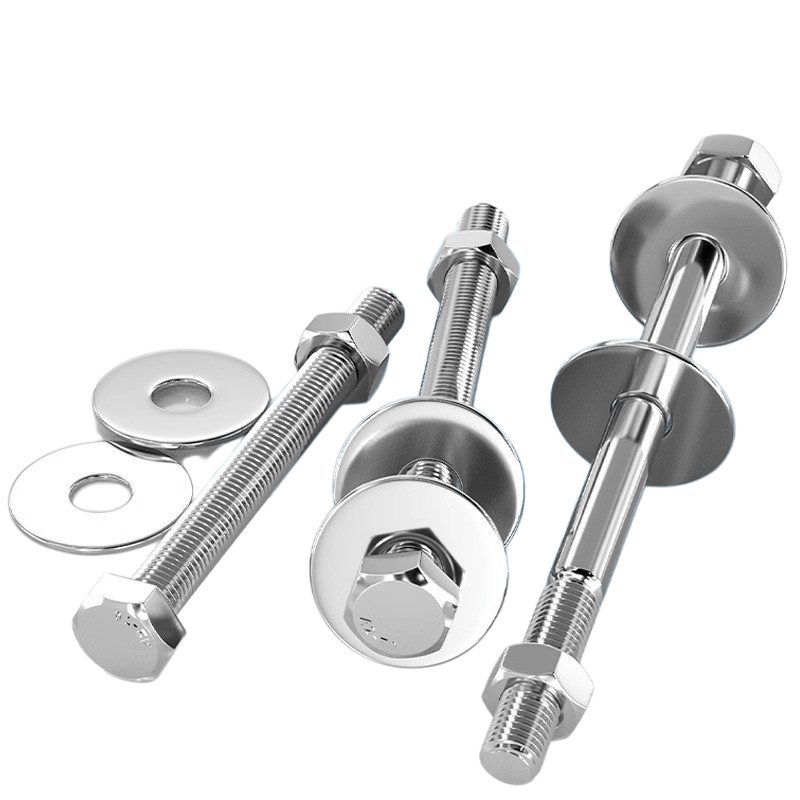
Low-carbon steel (mild steel) remains the workhorse material for automotive stamping due to its excellent formability, weldability, and cost-effectiveness. Grades such as DC04, DC06, and equivalent specifications provide the deep drawability required for complex body panels and structural components. Yield strengths of 140-210 MPa enable substantial forming before work hardening limits further deformation.
High-strength low-alloy (HSLA) steels provide enhanced strength for structural applications where weight reduction is important. Grades with yield strengths of 300-500 MPa enable thinner sections that reduce vehicle weight while maintaining structural integrity. HSLA steels retain good formability for stamping operations while providing the strength needed for chassis and safety components.
Advanced High-Strength Steels (AHSS) including dual-phase (DP), complex-phase (CP), and transformation-induced plasticity (TRIP) grades provide exceptional strength-to-weight ratios for safety-critical structural components. These materials achieve yield strengths of 600-1,500 MPa, enabling significant weight savings in body structures and crash management systems. Stamping AHSS requires higher press forces and specialized die designs to manage springback and achieve required dimensional accuracy.
Stainless Steel Grades
SS304 (austenitic stainless steel) provides excellent corrosion resistance and formability for automotive applications requiring durability in harsh environments. Exhaust system components, decorative trim, and underhood applications benefit from SS304’s resistance to oxidation and automotive fluids. The material’s non-magnetic properties are advantageous for applications near sensitive electronic systems.
SS316 offers enhanced corrosion resistance compared to SS304 due to its molybdenum content, making it the preferred choice for exhaust system components exposed to corrosive condensates and high temperatures. Marine environment applications and components requiring maximum corrosion resistance also specify SS316. The additional cost of SS316 is justified for applications where extended service life and reliability are critical.
Ferritic stainless steels (409, 430 grades) provide a cost-effective alternative to austenitic grades for applications where moderate corrosion resistance is adequate. These materials are magnetic and offer good formability for stamping operations. Ferritic stainless steels are commonly used for exhaust system components, heat shields, and decorative applications where the premium properties of austenitic grades are not required.
Aluminum Alloys
Aluminum alloys are increasingly used in automotive stamping for weight reduction initiatives. 5000-series alloys (5052, 5182) provide excellent formability and corrosion resistance for body panels and structural components. 6000-series alloys (6016, 6061) offer higher strength with good formability, suitable for structural applications requiring enhanced performance.
Aluminum stamping requires different process parameters than steel due to lower material strength, higher springback, and different friction characteristics. However, the 60% weight savings compared to steel makes aluminum an attractive option for applications where the additional material cost is offset by fuel efficiency improvements or performance benefits.
| Material | Yield Strength | Key Properties | Typical Applications |
|---|---|---|---|
| Low-Carbon Steel | 140-210 MPa | Excellent formability, low cost | Body panels, brackets |
| HSLA Steel | 300-500 MPa | Good formability, higher strength | Structural components |
| AHSS (DP/TRIP) | 600-1,500 MPa | Ultra-high strength | Safety structures, chassis |
| SS304 | 210-275 MPa | Corrosion resistant, non-magnetic | Exhaust, trim, underhood |
| SS316 | 210-275 MPa | Superior corrosion resistance | Exhaust, marine, harsh env. |
| Aluminum 5xxx/6xxx | 100-350 MPa | Lightweight, corrosion resistant | Body panels, closures |
Material Selection: Carbon steel dominates for cost-sensitive applications. SS304 and SS316 provide corrosion resistance for exhaust and underhood components. AHSS enables lightweight structural designs. Aluminum offers maximum weight reduction where cost permits. The optimal material balances performance, cost, and manufacturability for each specific automotive application.
Conclusion: Your Partner for Automotive OEM Precision Stamping
Precision metal stamping is a foundational manufacturing technology for the automotive industry, enabling the high-volume production of complex components with the precision, consistency, and cost efficiency that OEMs demand. From simple brackets to complex structural components, stamping delivers the quality and productivity required by modern automotive manufacturing.
The key advantages of precision stamping for automotive applications include:
- Dimensional Precision: Tolerances of ±0.05mm with process capabilities (Cpk) exceeding 1.67, ensuring defect rates below 0.6 parts per million.
- Production Efficiency: Rates of 3,600+ parts per hour enable just-in-time delivery synchronized to automotive assembly schedules.
- Cost Competitiveness: Per-part costs 50-80% lower than alternative processes at automotive production volumes.
- Material Versatility: Capability to stamp carbon steel, SS304, SS316, aluminum, and advanced high-strength steels.
- Design Integration: Ability to form complex geometries with integrated features, reducing secondary operations and assembly costs.
At Youjia Metals, we combine advanced stamping technology with IATF 16949 quality management to deliver automotive OEM parts that meet the most demanding requirements. Our capabilities include progressive die stamping up to 800 tons, in-die tapping and hardware insertion, automated quality inspection, and complete PPAP documentation.
Whether you need brackets, chassis components, structural parts, or custom fasteners for your automotive program, our engineering team is ready to support your project from design optimization through high-volume production. We provide comprehensive design-for-manufacturing consultation, prototype development, and competitive pricing for automotive production quantities.
Contact us today to discuss your automotive stamping requirements and discover how our precision manufacturing capabilities can support your OEM supply needs.